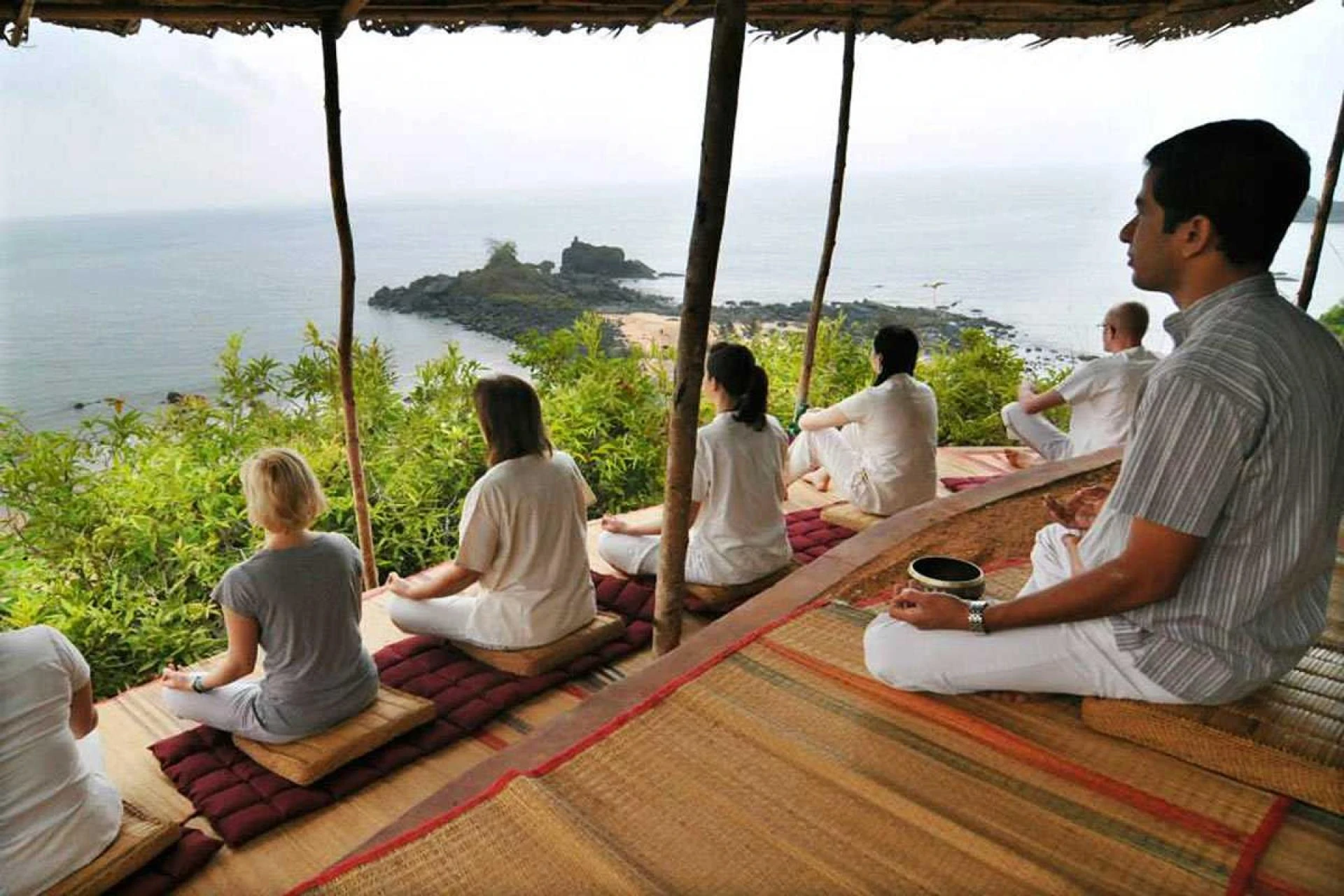

In the hustle and bustle of modern life, the pressures of daily existence can often become overwhelming, leading to mental health challenges such as depression and anxiety. Traditional treatments, including therapy and medication, are invaluable, but an increasing number of individuals are seeking alternative or complementary approaches to mental wellness. One such approach that has garnered significant attention is the concept of healing retreats specifically designed for depression and anxiety. These retreats offer a sanctuary where individuals can embark on a healing journey, fostering recovery and resilience.
Understanding Healing Retreats
Healing retreats for depression and anxiety are immersive experiences that combine various therapeutic modalities in a tranquil setting, away from the stresses of everyday life. These retreats are often held in serene locations, such as in the mountains, by the sea, or in secluded countryside estates, providing a peaceful environment conducive to healing.
The Benefits of Retreats
The primary benefit of attending a healing retreat is the holistic approach to mental health. These retreats for depression and anxiety typically incorporate a mix of traditional therapies, like cognitive-behavioral therapy (CBT) and psychotherapy, with alternative treatments, such as mindfulness, yoga, and meditation. This multifaceted approach addresses the mind, body, and spirit, offering a comprehensive path to recovery.
Holistic Healing: Unlike conventional therapy sessions that may focus solely on mental health, retreats offer a holistic experience that considers physical, emotional, and spiritual well-being. This integrative approach can lead to more profound and lasting healing.
Break from Routine: Stepping away from daily routines and responsibilities allows individuals to focus entirely on their healing process. The change of scenery and the opportunity to disconnect from regular stressors can significantly alleviate symptoms of depression and anxiety.
Supportive Community: Retreats bring together individuals facing similar challenges, fostering a sense of community and support. Sharing experiences in a safe and non-judgmental space can be incredibly therapeutic and reduce feelings of isolation.
Professional Guidance: Many retreats for depression and anxiety are staffed by mental health professionals, including psychologists, psychiatrists, and holistic practitioners. This ensures that participants receive expert care and guidance tailored to their specific needs.
Key Components of Healing Retreats
Healing retreats for depression and anxiety offer various programs and activities designed to promote mental wellness. Some of the key components include:
Therapeutic Sessions
Individual and group therapy sessions form the backbone of most retreats. These sessions provide a space for participants to explore their feelings, thoughts, and behaviors under the guidance of a trained therapist. Techniques like CBT, dialectical behavior therapy (DBT), and other evidence-based practices are commonly used.
Mindfulness and Meditation
Mindfulness practices and meditation are central to many healing retreats. These techniques help individuals become more aware of their thoughts and feelings without judgment, promoting relaxation and reducing stress. Guided meditation sessions, mindfulness walks, and breathing exercises are often included in the daily schedule.
Yoga and Physical Activities
Physical activity is known to have a positive impact on mental health. Yoga, in particular, combines physical movement with breath control and meditation, making it an ideal practice for those dealing with depression and anxiety. Many retreats offer daily yoga sessions, alongside other physical activities like hiking, tai chi, and dance.
Nutritional Guidance
Nutrition plays a crucial role in mental health. Healing retreats often include nutritional counseling and offer meals designed to nourish the body and mind. A balanced diet rich in vitamins, minerals, and antioxidants can help improve mood and energy levels.
Creative Therapies
Art therapy, music therapy, and other creative therapies provide an outlet for self-expression and can be powerful tools in the healing process. These activities allow individuals to explore their emotions and experiences in a non-verbal way, which can be particularly helpful for those who find it difficult to articulate their feelings.
Nature Immersion
Being in nature has a restorative effect on mental health. Many retreats emphasize the healing power of nature by incorporating outdoor activities and ensuring that the surroundings are conducive to relaxation and reflection. Nature immersion helps reduce stress, improve mood, and enhance overall well-being.
Choosing the Right Retreat
Selecting the right healing retreat involves considering several factors, including the location, duration, and types of therapies offered. It's important to research and choose a retreat that aligns with personal needs and preferences. Factors to consider include:
Reputation and Reviews: Look for retreats with positive testimonials and reviews from previous participants. Personal recommendations and reviews can provide insight into the quality of the retreat experience.
Professional Staff: Ensure that the retreat is staffed by qualified mental health professionals and practitioners. This guarantees that participants receive the appropriate care and support.
Program Structure: Consider the structure and schedule of the retreat. Some may offer a more relaxed, flexible approach, while others might have a rigorous, structured program. Choose one that aligns with your comfort level and therapeutic needs.
Cost and Accessibility: Retreats can vary widely in cost. Evaluate what is included in the price (accommodation, meals, therapies) and assess whether it fits within your budget. Additionally, consider the location's accessibility and any travel arrangements required.
Conclusion
Healing journeys through retreats for depression and anxiety offer a unique and holistic approach to mental wellness. By stepping away from the demands of daily life and immersing oneself in a supportive and therapeutic environment, individuals can experience profound healing and personal growth. These retreats provide a valuable opportunity to address mental health challenges in a comprehensive and nurturing setting, paving the way for lasting recovery and resilience.




























Sign in to leave a comment.