
Workplace safety training is essential for helping employees recognize hazards, follow procedures, and make informed decisions during daily operations. However, organizations may struggle to ensure that every employee receives the right training at the right time, particularly when teams work across different shifts, departments, and locations.
Digital learning provides a structured way to address these challenges. By incorporating health and safety elearning into their training programs, organizations can improve access to safety information, monitor learning progress, and identify areas where additional instruction may be required.
Understanding Workplace Training Gaps
A training gap occurs when employees do not have the knowledge or skills required to perform their work safely and effectively.
These gaps may develop when new equipment is introduced, procedures change, employees move into different roles, or refresher training is overlooked. Contractors and temporary workers may also need additional guidance about site-specific hazards and safety expectations.
Identifying these gaps helps organizations determine which training activities should be prioritized.
Why Traditional Training Methods Can Be Challenging
Classroom sessions and instructor-led demonstrations remain valuable, particularly for practical skills. However, coordinating these activities for a large or geographically dispersed workforce can require considerable planning.
Employees may work different shifts or at locations that make attendance difficult. Training records may also be maintained in separate spreadsheets, making it harder to identify incomplete courses or upcoming refresher requirements.
Digital learning can complement traditional methods by making selected training materials available through a centralized platform.
Delivering Consistent Safety Information
Consistency is important when communicating workplace safety procedures. If different teams receive incomplete or outdated information, employees may develop different understandings of the same requirements.
Digital courses allow organizations to distribute standardized learning materials across departments and locations. Training content can cover emergency response, hazard identification, personal protective equipment, incident reporting, and other relevant subjects.
Organizations should review learning materials regularly to ensure that they reflect current procedures and operational risks.
Making Training More Relevant to Employees
Effective training should be connected to the work employees actually perform.
For example, workers handling chemicals may need guidance on safe storage, labeling, and exposure prevention. Employees working at height may require instruction on fall prevention and access equipment.
A role-based training plan helps organizations assign relevant courses according to job responsibilities, workplace hazards, and competency requirements.
This approach can make learning more useful than assigning the same collection of generic courses to every employee.
Using Interactive Learning to Improve Understanding
Safety procedures are often easier to understand when employees can see how they apply in real situations.
Videos, animated demonstrations, quizzes, and scenario-based exercises can help explain hazards and appropriate responses. For instance, a training module might demonstrate how to report a near miss or identify unsafe conditions before starting a task.
Interactive activities can also help trainers assess whether employees understand the information presented.
For practical or high-risk activities, digital learning should be supported by hands-on instruction and competency verification where appropriate.
Tracking Training Completion and Follow-Up
Organizations need visibility into employee training progress to ensure that required learning activities are completed.
A learning management system can help track course assignments, completion status, assessment results, and refresher training schedules. Training coordinators can use these records to identify overdue courses and follow up with employees or managers.
These records can also support internal reviews and help organizations understand where additional learning resources may be needed.
However, completion records should not be treated as the only measure of training effectiveness. Employees must also be able to apply relevant knowledge in the workplace.
Connecting Training With Safety Performance
Workplace safety information can help organizations identify where training needs improvement.
For example, recurring inspection findings, repeated procedural errors, or incident investigations may reveal that employees need clearer guidance or additional instruction.
By reviewing these findings alongside training records, safety teams can identify patterns and develop more targeted learning activities.
This creates a continuous improvement cycle: identify a problem, determine whether training is needed, provide appropriate learning, and review whether workplace practices improve.
Supporting New Employees and Contractors
New employees and contractors often need to understand workplace rules before beginning their activities.
Digital induction programs can introduce site-specific procedures, emergency arrangements, reporting channels, and basic hazard awareness. Additional instruction can then be provided according to the individual's role and responsibilities.
Organizations should ensure that induction training is completed at the appropriate stage and that employees receive practical guidance when their tasks require it.
The Role of Occupational Health and Safety Software
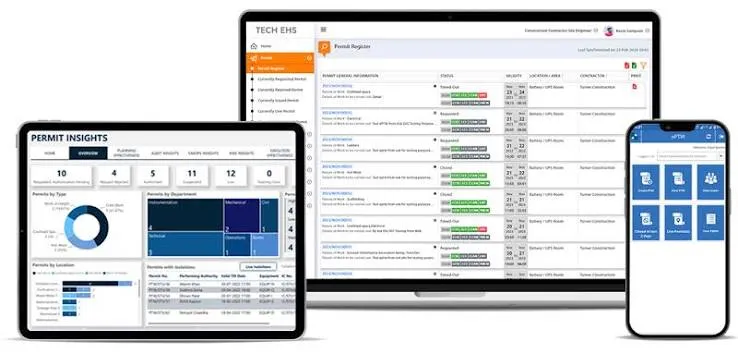
Occupational health and safety software can help organizations manage several safety processes through a centralized system. Depending on its features, the platform may support incident reporting, risk assessments, inspections, corrective actions, and training records.
When these activities are connected, safety teams can more easily review workplace findings and determine where additional training or preventive action may be necessary.
Centralized information is particularly useful for organizations managing multiple teams or sites.
Supporting Safety Management With TECH EHS Solution
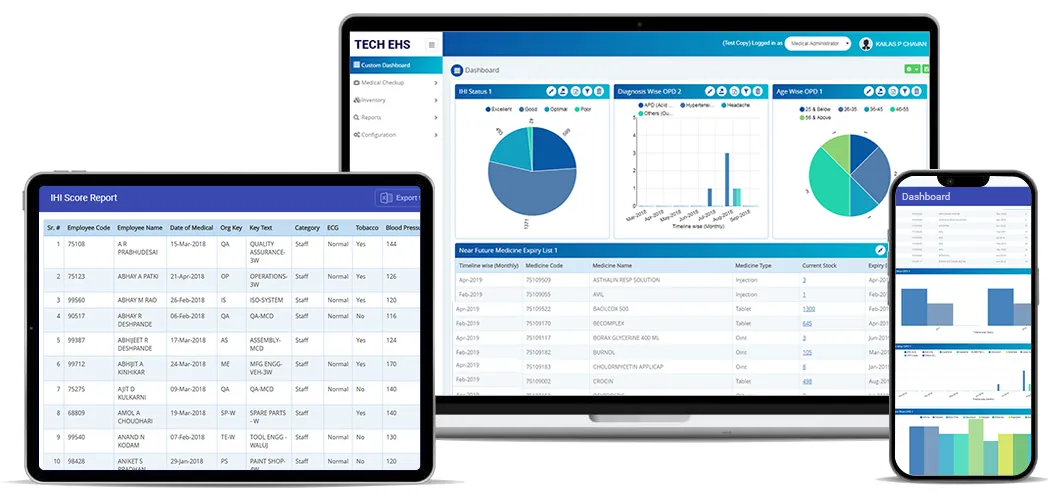
TECH EHS Solution provides digital EHS capabilities that help organizations manage workplace safety processes. By combining structured safety management with appropriate training practices, organizations can improve visibility into safety activities and coordinate their efforts more consistently.
The right approach should reflect the organization's hazards, workforce requirements, and training objectives.
Conclusion
Workplace training gaps can develop as roles, procedures, equipment, and operational conditions change. Organizations need a structured approach to identifying these gaps and ensuring employees receive relevant instruction.
Health and safety eLearning can help deliver consistent information, monitor learning progress, and support targeted refresher training. When combined with practical instruction and occupational health and safety management, it can contribute to a more knowledgeable workforce and a stronger safety culture.






















Sign in to leave a comment.