

In today’s digital-first world, patients don’t just rely on referrals—they search online before choosing a healthcare provider. Whether it’s finding a nearby clinic, reading reviews, or booking an appointment, search engines play a major role in patient decisions.
This is where Healthcare SEO (Search Engine Optimization) becomes essential.
Healthcare SEO helps your website rank higher on search engines like Google, making it easier for potential patients to find your services. When done correctly, it can consistently bring in high-quality traffic and convert visitors into loyal patients.
Let’s explore the best practices that can help your healthcare practice rank higher and attract more patients.
1. Focus on Local SEO for Healthcare
Most patients look for healthcare services near them. Searches like “dentist near me” or “best pediatrician in Ahmedabad” are extremely common.
What you should do:
- Optimize your Google Business Profile
- Add accurate Name, Address, Phone Number (NAP)
- Use location-based keywords (e.g., cardiologist in Ahmedabad)
- Encourage patient reviews
Why it matters:
Local SEO helps your practice appear in Google Maps and local search results, which drives highly targeted traffic.
2. Use the Right Healthcare Keywords
Choosing the right keywords is the foundation of SEO.
Types of keywords to target:
- Primary keywords: Healthcare SEO, medical SEO
- Service-based keywords: dental implants, skin treatment
- Location keywords: clinic in [city]
- Long-tail keywords: “best pediatric dentist for kids near me”
Tips:
- Focus on user intent, not just search volume
- Use keywords naturally in your content
- Avoid keyword stuffing
3. Create High-Quality, Patient-Focused Content
Content is one of the most powerful tools in healthcare SEO.
Patients are constantly searching for:
- Symptoms
- Treatments
- Costs
- Recovery tips
What kind of content to create:
- Blog posts (e.g., “Signs You Need a Heart Checkup”)
- Service pages (detailed treatment explanations)
- FAQs (answer common patient questions)
- Educational guides
Best practices:
- Use simple, easy-to-understand language
- Avoid too much medical jargon
- Focus on solving patient problems
4. Optimize Your Website for User Experience
A well-designed website improves both rankings and conversions.
Key elements:
- Fast loading speed
- Mobile-friendly design
- Easy navigation
- Clear call-to-action (CTA) buttons like “Book Appointment”
Why it matters:
If users leave your site quickly, Google sees it as a negative signal, which can lower your rankings.
5. Build Trust with E-E-A-T Principles
In healthcare, trust is everything. Google uses E-E-A-T (Experience, Expertise, Authoritativeness, Trustworthiness) to evaluate content quality.
How to improve E-E-A-T:
- Show doctor credentials and experience
- Add author bios for articles
- Include real patient testimonials
- Use credible medical sources
Example:
Instead of generic content, include insights from real doctors or healthcare professionals.
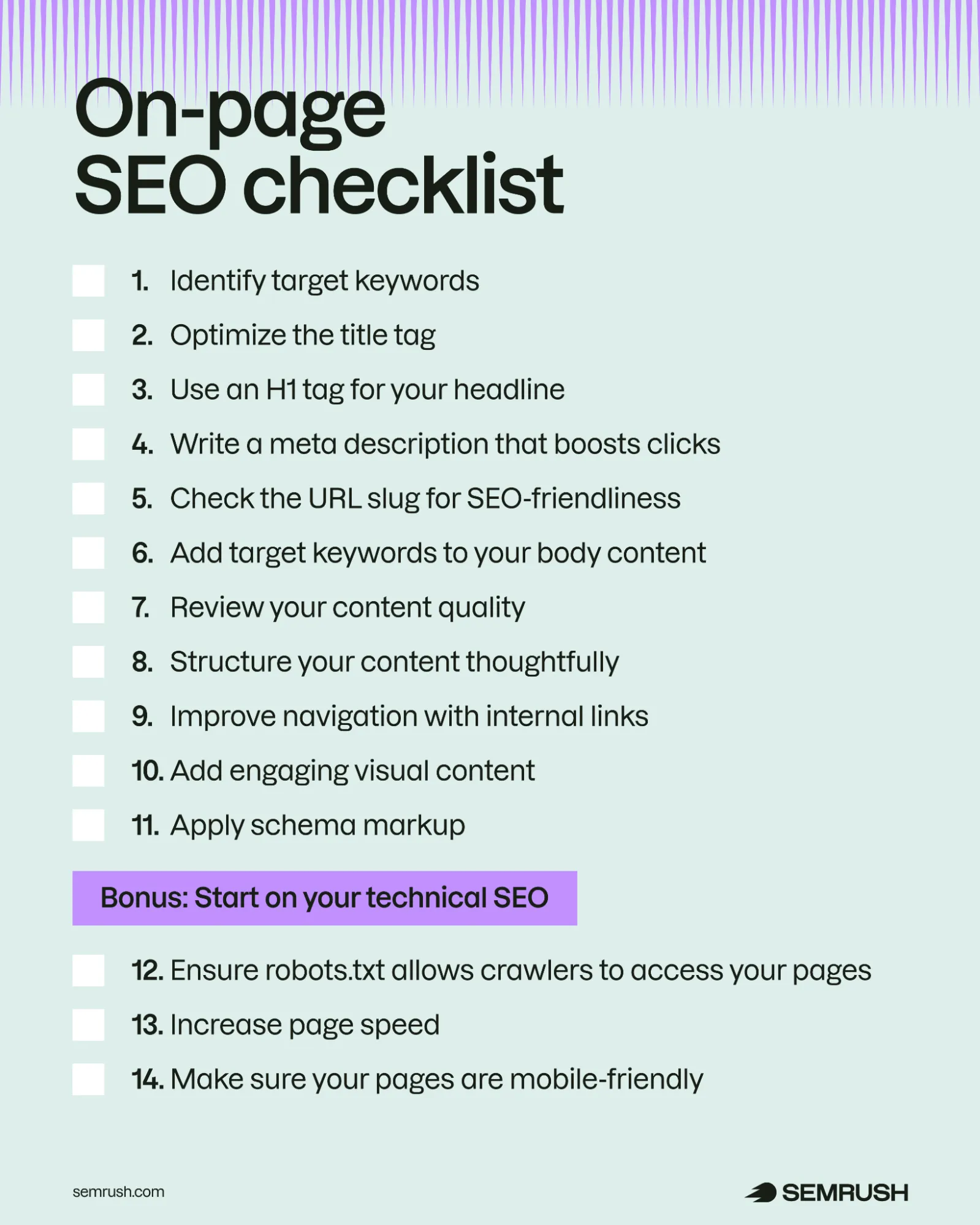
6. Optimize On-Page SEO Elements
On-page SEO ensures that search engines understand your content.
Important elements:
- Title tags (include your main keyword)
- Meta descriptions (make them engaging)
- Headings (H1, H2, H3 structure)
- Image alt text
- Internal linking
Tip:
Each page should focus on one main keyword and related variations.
7. Build High-Quality Backlinks
Backlinks (links from other websites) signal authority to search engines.
Ways to get backlinks:
- Guest posting on healthcare blogs
- Listing in medical directories
- Collaborating with local businesses
- Publishing research or case studies
Avoid:
- Spammy or low-quality links
- Buying backlinks (can harm your rankings)
8. Encourage and Manage Patient Reviews
Online reviews strongly influence both SEO and patient trust.
Best practices:
- Ask satisfied patients to leave reviews
- Respond to all reviews (positive and negative)
- Stay professional and empathetic
Why it matters:
More positive reviews = better visibility + higher conversion rates.
9. Use Technical SEO for Better Performance
Technical SEO ensures your website is easy for search engines to crawl and index.
Key areas:
- Secure website (HTTPS)
- XML sitemap
- Clean URL structure
- Fix broken links
- Improve Core Web Vitals
Result:
Better indexing leads to improved rankings.
10. Track and Improve Your SEO Performance
SEO is not a one-time task—it requires continuous improvement.
Tools to use:
- Google Analytics
- Google Search Console
Metrics to track:
- Website traffic
- Keyword rankings
- Bounce rate
- Conversion rate
Tip:
Regularly update your content to keep it fresh and relevant.
Final Thoughts
Healthcare SEO Services is one of the most effective ways to grow your practice in today’s competitive digital landscape. By focusing on local optimization, high-quality content, user experience, and trust-building strategies, you can significantly improve your search rankings and attract more patients.
The key is consistency. SEO takes time, but the long-term results—steady traffic, increased visibility, and more patient appointments—are worth the effort.

























Sign in to leave a comment.