
Overview
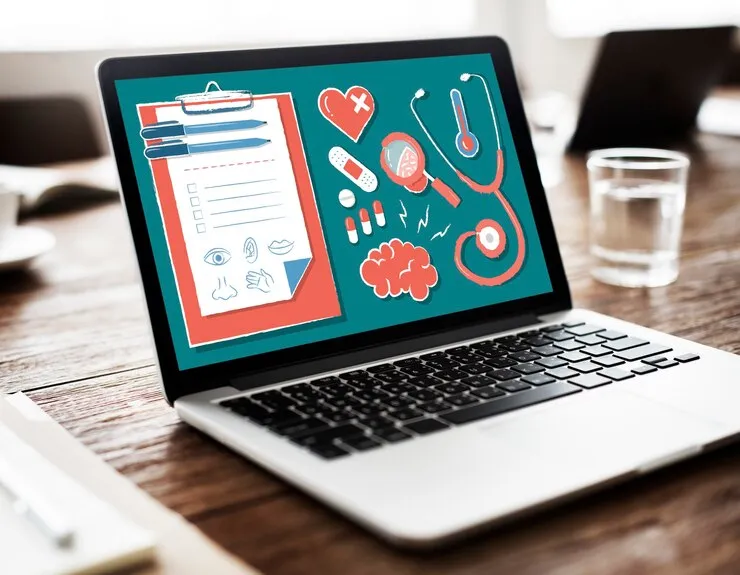
Healthcare is undergoing a structural shift where technology is no longer just a support function but a core driver of care delivery. From patient engagement platforms to AI-assisted diagnostics, software is shaping how healthcare organizations operate and compete. In this environment, choosing between a custom healthcare software development or adopting a ready-made platform is one of the most important decisions leaders must make.
This decision is not only about implementation. It is about whether your technology can evolve with your vision.
The New Expectations from Healthcare Systems
Modern healthcare systems are expected to do far more than manage records. They must:
- Enable seamless collaboration across departments
- Provide real-time access to patient data
- Support personalized care experiences
- Integrate with advanced technologies
These expectations highlight a key challenge. Not all systems are designed to handle this level of complexity and adaptability.
Ready-Made Platforms: Efficient but Limited
Pre-built healthcare software has been widely adopted due to its convenience. It provides a quick way to digitize operations without extensive development efforts.
Where It Works Well
Immediate Deployment
Organizations can implement these systems quickly and start using them without delays.
Predictable Costs
Subscription-based pricing models make budgeting easier, especially for smaller providers.
Standard Features
Most platforms include essential capabilities such as scheduling, billing, and patient management.
The Long-Term Constraints of Standard Systems
As healthcare organizations grow and evolve, the limitations of ready-made solutions become more apparent.
One-Size-Fits-All Approach
These systems are designed for general use, which means they may not fully align with specific workflows.
Integration Gaps
Connecting with other systems or adding new functionalities can be complex and time-consuming.
Limited Control
Organizations depend on vendors for updates and feature enhancements, which can slow down innovation.
Scaling Challenges
Expanding operations or introducing new services may require workarounds that reduce efficiency.
Custom Healthcare Solutions: Designed for Adaptability
Custom-built platforms are created to meet the exact needs of an organization. They offer flexibility and scalability that standard systems often lack.
Workflow Alignment
Custom solutions are built around existing processes, ensuring smoother operations and better user adoption.
Deep Integration Capabilities
They can be designed to connect seamlessly with various systems, enabling efficient data exchange.
Enhanced Patient Engagement
Custom features allow organizations to create more personalized and meaningful patient experiences.
Scalable Architecture
These systems can grow alongside the organization, supporting expansion and innovation.
The Strategic Role of Data
Data is becoming the backbone of healthcare decision-making. The ability to collect, analyze, and act on data is a major differentiator.
Custom solutions enable organizations to:
- Build advanced analytics capabilities
- Generate actionable insights
- Improve clinical and operational outcomes
Ready-made systems may provide basic reporting, but they often lack the flexibility needed for deeper analysis.
Financial Perspective: Investment vs Value
The cost debate between custom and ready-made solutions is often misunderstood.
Ready-Made Platforms
- Lower initial investment
- Ongoing subscription and licensing fees
- Additional costs for customization
Custom Solutions
- Higher upfront development cost
- Greater long-term value
- Reduced dependency on vendors
When evaluated over time, custom solutions often provide a better return on investment by improving efficiency and enabling innovation.
Supporting Innovation and Emerging Technologies
Healthcare is rapidly adopting technologies such as artificial intelligence, remote monitoring, and digital therapeutics.
Custom platforms make it easier to:
- Integrate AI into clinical workflows
- Support real-time patient monitoring
- Develop unique digital health services
Ready-made solutions may offer limited support for these technologies, often restricted to generic use cases.
Decision Factors That Matter Most
Choosing the right approach requires a clear understanding of organizational priorities.
Consider:
- The complexity of your workflows
- Your need for integration with other systems
- Your growth and scalability plans
- Your focus on innovation
- Your budget and available resources
There is no universal answer, but aligning your choice with these factors will lead to better outcomes.
The Rise of Flexible Hybrid Models
Many organizations are now combining both approaches to maximize benefits.
A hybrid model may include:
- Using ready-made platforms for core functions
- Building custom modules for advanced needs
- Creating integration layers to unify systems
This approach provides a balance between speed, cost, and flexibility.
Conclusion
Healthcare technology decisions are no longer just operational choices. They are strategic investments that shape the future of care delivery.
Ready-made solutions offer a fast and cost-effective starting point, but they may limit growth and innovation over time. Custom healthcare sofwtare development, while requiring greater initial investment, provide the flexibility, scalability, and control needed to adapt to a changing healthcare landscape.
Organizations that focus on long-term value rather than short-term convenience will be better positioned to deliver high-quality care, improve efficiency, and stay competitive in an increasingly digital world.























Sign in to leave a comment.