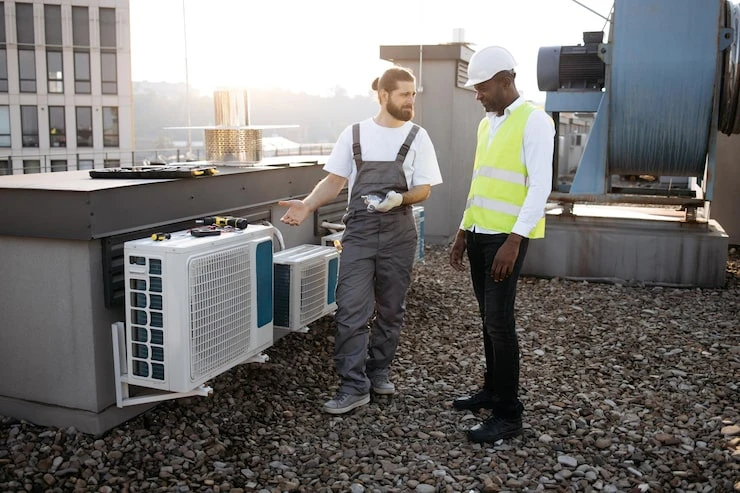

Heat pumps are often described as “set it and forget it” systems. They don’t roar like old furnaces, they don’t blast hot air unevenly, and they don’t demand attention on a daily basis. For many homeowners, that quiet reliability becomes the reason heat pump service is postponed or ignored altogether.
But the truth is simple: the systems that work the hardest often ask for the least attention, until something goes wrong.
Understanding why regular heat pump service matters requires looking beyond efficiency ratings and energy charts. It means understanding how these systems live inside real homes, respond to weather changes, and quietly carry the burden of year-round comfort.
Heat Pumps Don’t Take Breaks
Traditional HVAC systems usually specialize in one job. Furnaces heat. Air conditioners cool. Heat pumps do both, and they do it continuously.
In winter, a heat pump pulls available warmth from outside air, even when temperatures are low. In summer, it reverses its role, pushing heat out of the home. This constant switching between modes places steady demand on components such as compressors, coils, fans, and electrical controls.
Because heat pumps never truly “rest,” its service isn’t a luxury, it’s maintenance for a system that runs through every season without pause.
The Illusion of “Still Working Fine”
One of the biggest misconceptions homeowners have is equating operation with efficiency. A heat pump can still heat or cool a home while slowly losing performance.
Small inefficiencies rarely announce themselves. Instead, they show up quietly:
- Slightly longer run times
- Gradually increasing energy bills
- Rooms that never feel quite balanced
- Subtle noises that weren’t there before
Without regular service, these signals are easy to dismiss. Over time, the system compensates by working harder, which accelerates wear and shortens its lifespan.
What Happens Inside an Unserviced Heat Pump
When service is delayed, several internal changes occur that homeowners never see:
Dust accumulates on coils, reducing heat transfer. Refrigerant levels drift outside optimal ranges. Electrical connections loosen from vibration and temperature shifts. Drain lines clog, increasing moisture and corrosion risks.
None of these issues cause instant failure. Instead, they quietly erode system performance until a repair becomes unavoidable, and expensive.
Routine service stops this slow decline before it becomes a crisis.
Energy Efficiency Is Not Permanent
Many people choose heat pumps for their energy efficiency and environmental benefits. But efficiency is not a fixed feature, it’s a condition that must be maintained.
A heat pump that hasn’t received regular service may still function, but it can lose a significant portion of its efficiency over time. That loss translates directly into higher energy consumption and unnecessary strain on the system.
Professional service recalibrates performance, ensuring the system delivers the efficiency it was designed to provide, not just the minimum required to operate.
Comfort Is More Than Temperature
Comfort is often measured in degrees, but real comfort involves consistency, humidity control, airflow, and noise levels.
When a heat pump is properly serviced, airflow remains balanced, temperature transitions feel smooth, and the system operates quietly. When service is neglected, comfort becomes uneven, hot spots in winter, humidity issues in summer, and frequent cycling that disrupts indoor stability.
Heat pump service ensures the system responds to the home, not the other way around.
The Financial Side of Preventive Care
Homeowners often delay service to save money, but this short-term thinking usually leads to higher costs later.
Emergency repairs, compressor failures, and premature system replacements are far more expensive than routine service. Preventive maintenance allows technicians to identify early signs of wear and correct them at a fraction of the cost of major repairs.
From a financial perspective, regular service is not an expense, it’s risk management.
Seasonal Service Is Strategic, Not Optional
Timing matters when it comes to service. Servicing a system before extreme weather sets in gives technicians the opportunity to address weaknesses without urgency.
Spring service prepares the system for cooling demands. Fall service ensures heating performance during cold months. Skipping these windows often results in breakdowns during peak seasons, when repair delays are longest and discomfort is highest.
Strategic servicing keeps the system reliable when it’s needed most.
Why Professional Service Makes the Difference
Basic homeowner maintenance, like clearing debris and changing filters, plays an important role. But it doesn’t replace professional service.
Certified technicians have the tools and training to test refrigerant pressures, inspect electrical systems, verify airflow, and evaluate system performance as a whole. They don’t just fix visible issues; they assess how every component works together.
This level of insight is what turns maintenance into long-term system care.
Choosing Service Over Surprise
Heat pumps are built to last, but longevity depends on how they’re treated. Systems that receive regular service tend to operate more efficiently, fail less often, and remain reliable for years longer than neglected units.
The real value of service isn’t just avoiding breakdowns, it’s avoiding uncertainty. It’s knowing your system will perform when temperatures drop or rise unexpectedly.
A Smarter Way to Care for Modern Heating
Heat pumps represent a shift in how homes are heated and cooled. They’re efficient, quiet, and adaptable, but they require a new mindset toward maintenance.
Regular service aligns with that mindset. It treats the system as an essential, long-term investment rather than a background appliance. For homeowners who value comfort, efficiency, and predictability, service is not optional, it’s part of responsible ownership.
Final Thought
The best-performing heat pumps are rarely the newest or the most expensive. They’re the ones that are cared for consistently.
Heat pump service doesn’t just keep systems running, it keeps homes comfortable, energy use controlled, and surprises to a minimum. In a world where comfort is expected year-round, quiet reliability starts with regular care.


























Sign in to leave a comment.