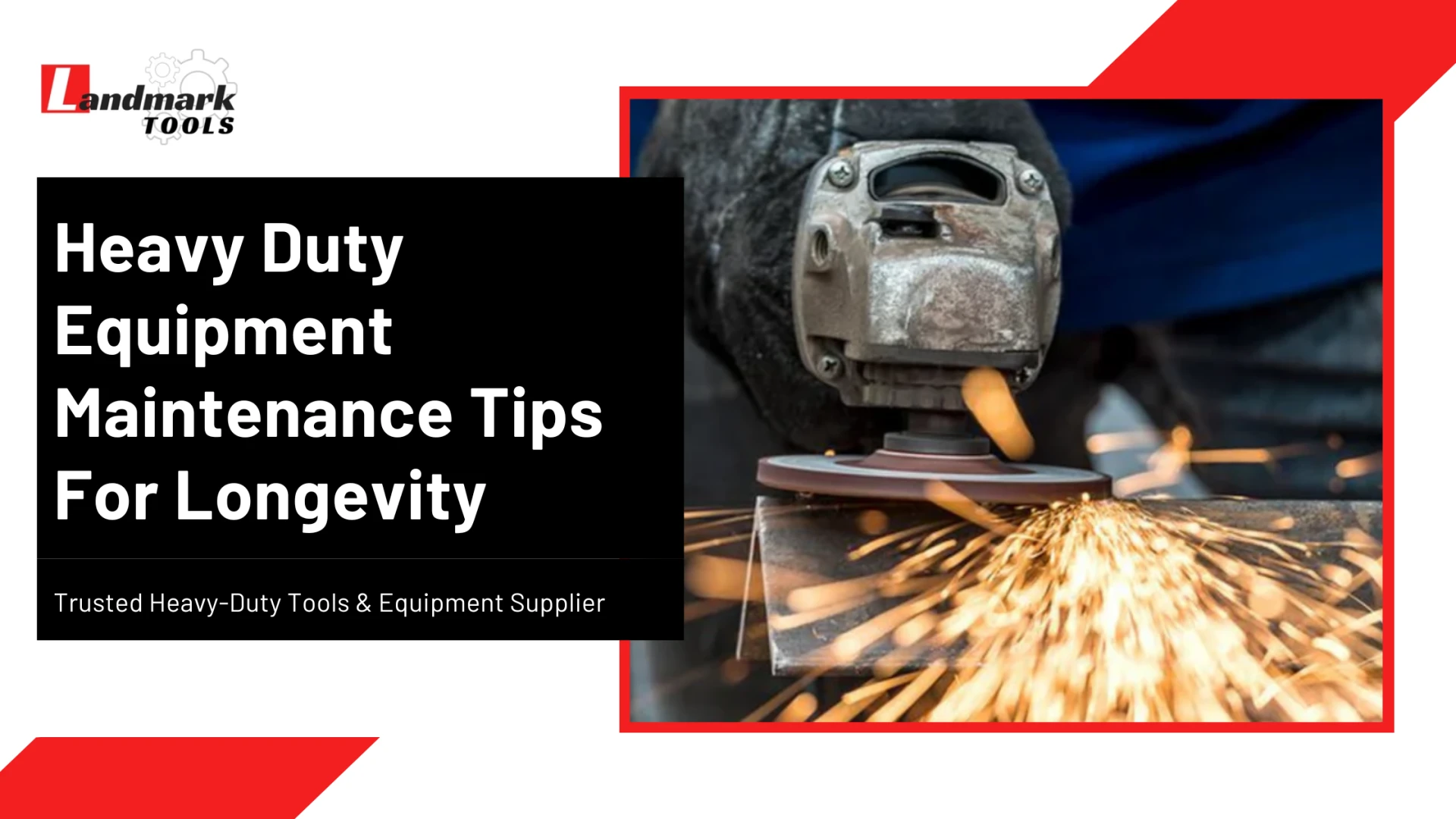
Your equipment represents serious investment. Skid steers, power trowels, industrial machinery. These tools earn their keep when they're running. When they're not? They're costing you money.
Proper maintenance extends equipment life way more than most people realize. Skip the basics and you end up with failures, repairs that hurt the budget, and downtime nobody can afford. Here's how to avoid all that.
Start with the Manufacturer's Guidelines
Every piece of heavy duty equipment comes with specific maintenance requirements. Those recommendations exist for good reason. Engineers designed these systems and they know what keeps them running well.
Don't assume you know better. Read the manual, follow the intervals, use the lubricants and fluids they specify. That foundation alone prevents most common failures.
Daily Inspections and Cleaning
Why Visual Checks Matter
Problems announce themselves early if you're paying attention. Fluid leaks, wear patterns that look wrong, loose connections. Catching these during daily walkarounds saves you from bigger failures later.
Before starting any heavy duty tools, spend five minutes looking things over. Hydraulic lines, belts, anything off. Just look.
Effective Cleaning Practices
Dirt kills equipment faster than you'd think. Dust on cooling systems causes overheating. Debris clogs filters. Pressure wash frames regularly and keep hydraulic reservoirs clean.
Establish a Preventive Maintenance Schedule
Daily, Weekly, and Monthly Tasks
Break maintenance down by how often things need attention. Every day you should check fluids, do visual inspections, basic cleaning. Weekly stuff includes filter checks, hitting lubrication points, tire pressure. Monthly gets into deeper system checks and fluid changes.
Tracking and Documentation
Log everything. When you changed fluids, what you replaced, issues you noticed along the way. This kind of documentation shows patterns over time and helps massively when you're troubleshooting something weird.
A quality best heavy duty tool box keeps all your maintenance supplies where you can find them. Nothing worse than hunting for a grease gun when equipment's waiting.
Proper Lubrication and Fluid Management
Friction destroys components. Proper lubrication prevents metal-on-metal contact that wears parts prematurely. Use manufacturer-specified products.
Check fluid levels religiously. Hydraulic systems, engines, gearboxes. Low fluid damages components quickly. Change fluids on schedule regardless of appearance.
Train Your Operators Well
Equipment abuse shortens lifespan dramatically. Operators who understand their machinery treat it better. Cover proper startup procedures, operating limits, and shutdown sequences.
Use Quality Parts and Repairs
Cheap parts fail faster. When sourcing replacements, prioritize quality from trusted heavy duty tools suppliers like Landmark Tools. Browse power tools online options, but verify you're getting genuine components.
Store Equipment Correctly During Downtime
Weather exposure accelerates deterioration more than people expect. Store equipment undercover when you can. Protect hydraulic cylinders, apply rust preventatives, do the basics.
Consistency Builds Equipment Longevity
Maintenance works through accumulation. Small consistent efforts add up to major results over time. Equipment that gets regular attention lasts longer and costs less to run. Pretty simple math, really.


























Sign in to leave a comment.