

Introduction
Watching someone you love struggle with pain is difficult. It can be even more challenging when they are reluctant to visit a hospital because of fear, anxiety, past experiences, or concerns about travel. As family members, we often want to help but may not know where to begin.
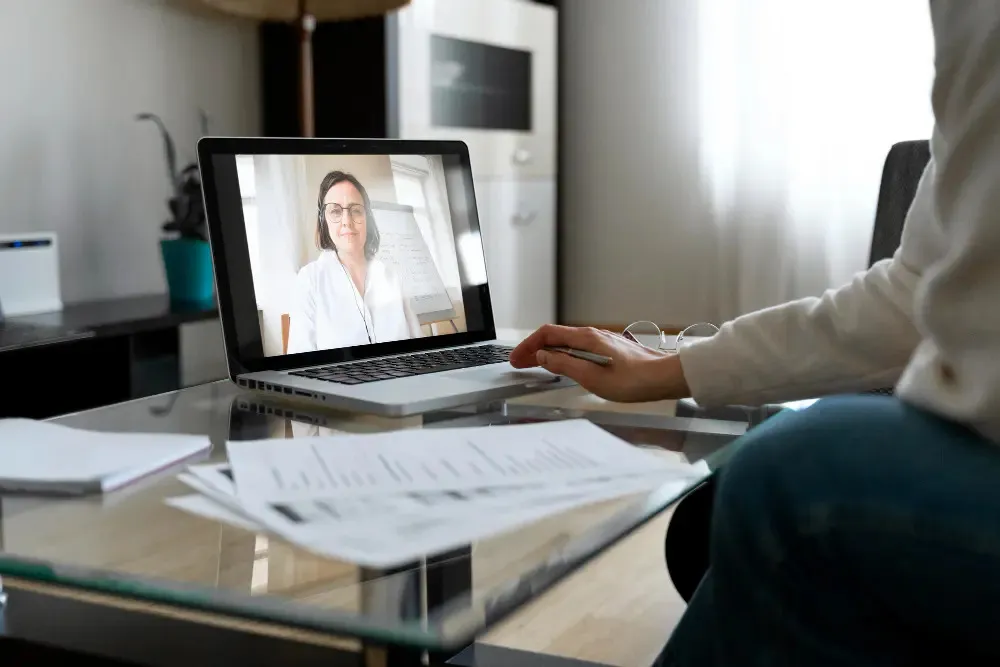
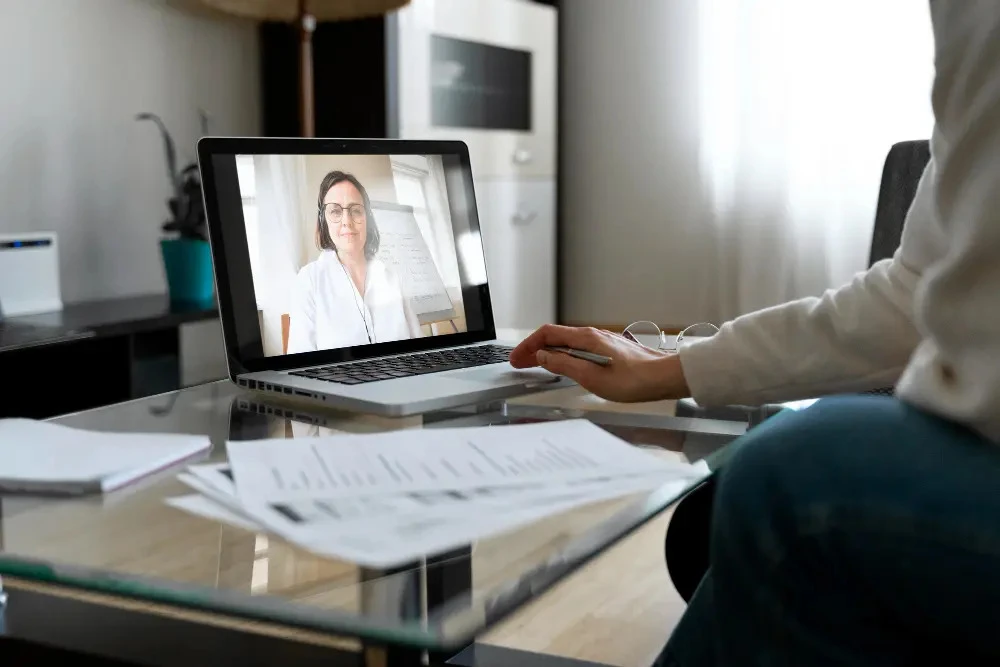
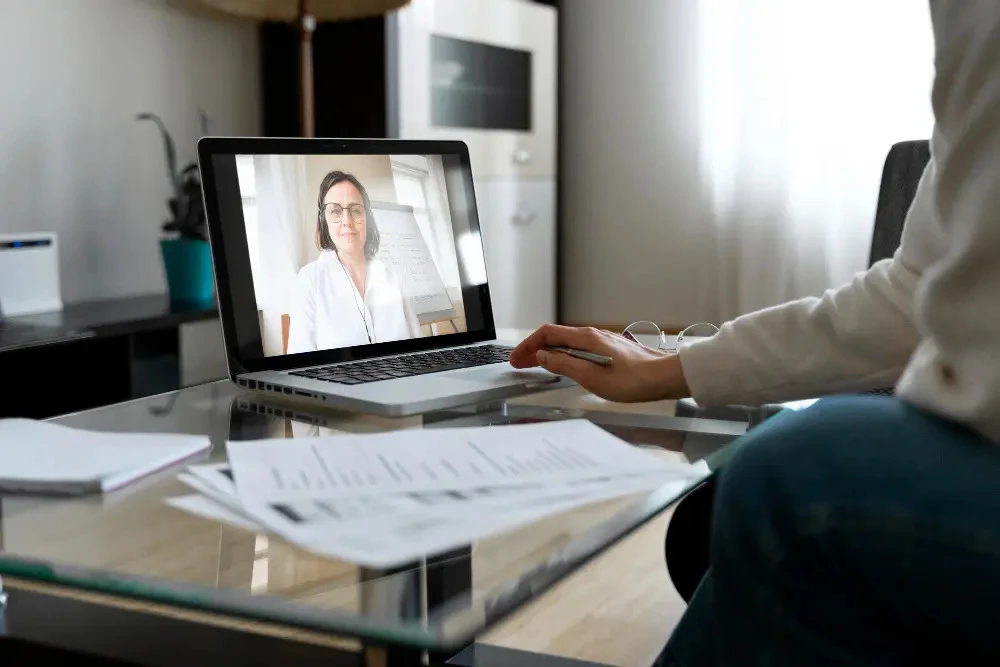
Orthopedic telemedicine can offer a gentle first step for families who are looking for professional guidance without asking their loved one to immediately come to a hospital. It allows patients and caregivers to have an initial conversation with an orthopedic specialist, helping them better understand symptoms, discuss concerns, and learn about possible next steps in a comfortable setting.
Many families have shared that starting with a virtual consultation made difficult conversations easier. Instead of feeling pressured into immediate treatment, their loved one had the opportunity to ask questions, express concerns, and receive clear medical advice based on their individual situation.
Understanding Why Someone May Hesitate to Visit a Hospital
Every person has a different reason for postponing medical care. Some worry that their symptoms are not serious enough, while others fear hearing difficult news or undergoing surgery.
Older adults may also worry about traveling long distances, spending time in waiting rooms, or feeling overwhelmed by unfamiliar environments. These concerns are real and deserve understanding rather than judgment.
Listening patiently and encouraging open conversations often helps families understand what is preventing their loved one from seeking care. Once those concerns are acknowledged, exploring healthcare options becomes much less stressful.
A Comfortable Way to Begin the Conversation
Starting with a virtual consultation often feels less intimidating than scheduling an immediate hospital visit. Patients remain in familiar surroundings while speaking with an orthopedic specialist who can listen carefully to their symptoms.
During the consultation, families can also participate, helping explain changes in mobility, pain levels, or daily activities that the patient may have forgotten to mention. This creates a more complete picture of the person's health.
Many people find that after receiving professional guidance, they feel more confident about whether an in-person examination, imaging, or additional treatment is actually needed.
How Families Can Support Their Loved One
Supporting someone through orthopedic concerns requires patience, empathy, and practical help. Small actions often make a significant difference.
You can encourage them by:
- Listening without dismissing their concerns and allowing them to express their fears.
- Helping organize previous medical records, prescriptions, or imaging reports before the consultation.
- Joining the appointment to ask questions and take notes if they feel comfortable.
- Encouraging honest discussions about pain, mobility, and daily limitations.
- Respecting their decisions while gently reminding them that early evaluation may prevent problems from becoming more severe.
What to Consider When Choosing a Hospital
Choosing the right hospital is an important decision that should be based on quality, safety, and patient-centered care rather than convenience alone.
- Experienced orthopedic specialists
Look for hospitals with qualified orthopedic teams experienced in diagnosing and managing a wide range of bone and joint conditions. - Clear communication
Healthcare professionals should explain diagnoses, treatment options, benefits, and possible risks in language families can easily understand. - Comprehensive diagnostic services
Access to imaging, laboratory services, and rehabilitation helps ensure patients receive coordinated care when needed. - Patient safety standards
Hospitals should follow established infection prevention measures, clinical guidelines, and patient safety protocols. - Rehabilitation and follow-up care
Recovery often continues after treatment. Ongoing rehabilitation and regular follow-up appointments support better long-term outcomes. - Family involvement
Hospitals that encourage family participation help patients feel more comfortable and confident throughout their treatment journey.
When an In-Person Visit Becomes Necessary
Although virtual consultations provide valuable guidance, they cannot replace every aspect of orthopedic care. Some situations require a physical examination or emergency medical attention.
Severe pain after an injury, inability to move a limb, obvious deformity, significant swelling, numbness, fever associated with joint pain, or suspected fractures should be evaluated promptly by a healthcare professional.
In many situations, orthopedic telemedicine helps families understand whether symptoms require urgent hospital care or whether the next steps can be planned in a structured and timely manner.
Building Confidence Through Trusted Medical Guidance
One of the greatest benefits of an early consultation is reassurance. Even when surgery is not required, families gain a clearer understanding of the condition and learn about appropriate treatment options.
This shared understanding often reduces fear and encourages patients to participate more actively in their own care. Rather than delaying treatment because of uncertainty, they can make informed decisions based on professional medical advice.
Families frequently discover that taking the first step is much easier than they expected once they have access to reliable information and compassionate guidance.
Conclusion
Helping a loved one overcome hesitation about seeking medical care requires patience, empathy, and trustworthy information. Sometimes the most important step is simply beginning the conversation in a way that feels safe and comfortable. Whether the outcome is reassurance, conservative treatment, or an in-person evaluation, timely medical guidance can help families make informed decisions with greater confidence.
At Soundarapandian Bone and Joint Hospital(SBJH), we are committed to providing world-class healthcare with the warmth and compassion of a family-run institution. Guided by a tradition of care, our highly skilled Orthopaedic surgeons and our dedicated team work together to ensure that every patient receives personalised treatment. We combine the latest in cutting-edge technology with a deep sense of empathy and ethics, striving for excellence in orthopaedics while fostering a welcoming, supportive environment for all.
Frequently Asked Questions(FAQs)
Can orthopedic telemedicine help someone who is afraid of hospitals?
Yes. It provides an opportunity to discuss symptoms, ask questions, and receive professional advice from home, making the first step toward care less overwhelming.
Is a virtual orthopedic consultation suitable for older adults?
Many older adults benefit from virtual consultations, especially if traveling is difficult. Family members can also participate to help communicate symptoms and understand treatment recommendations.
Can an orthopedic specialist diagnose every condition through a virtual consultation?
Not always. Some conditions require a physical examination, imaging studies, or additional testing before a diagnosis can be confirmed. The consultation helps determine the most appropriate next step.
When should someone visit a hospital instead of waiting for a virtual appointment?
Immediate medical attention is important if there is severe pain after trauma, inability to bear weight, significant swelling, visible deformity, numbness, or other urgent symptoms that could indicate a serious injury.
How can families prepare for an orthopedic consultation?
Gather previous medical records, imaging reports, medication lists, and write down symptoms, pain patterns, and questions before the appointment. This helps the consultation be more productive.


























Sign in to leave a comment.