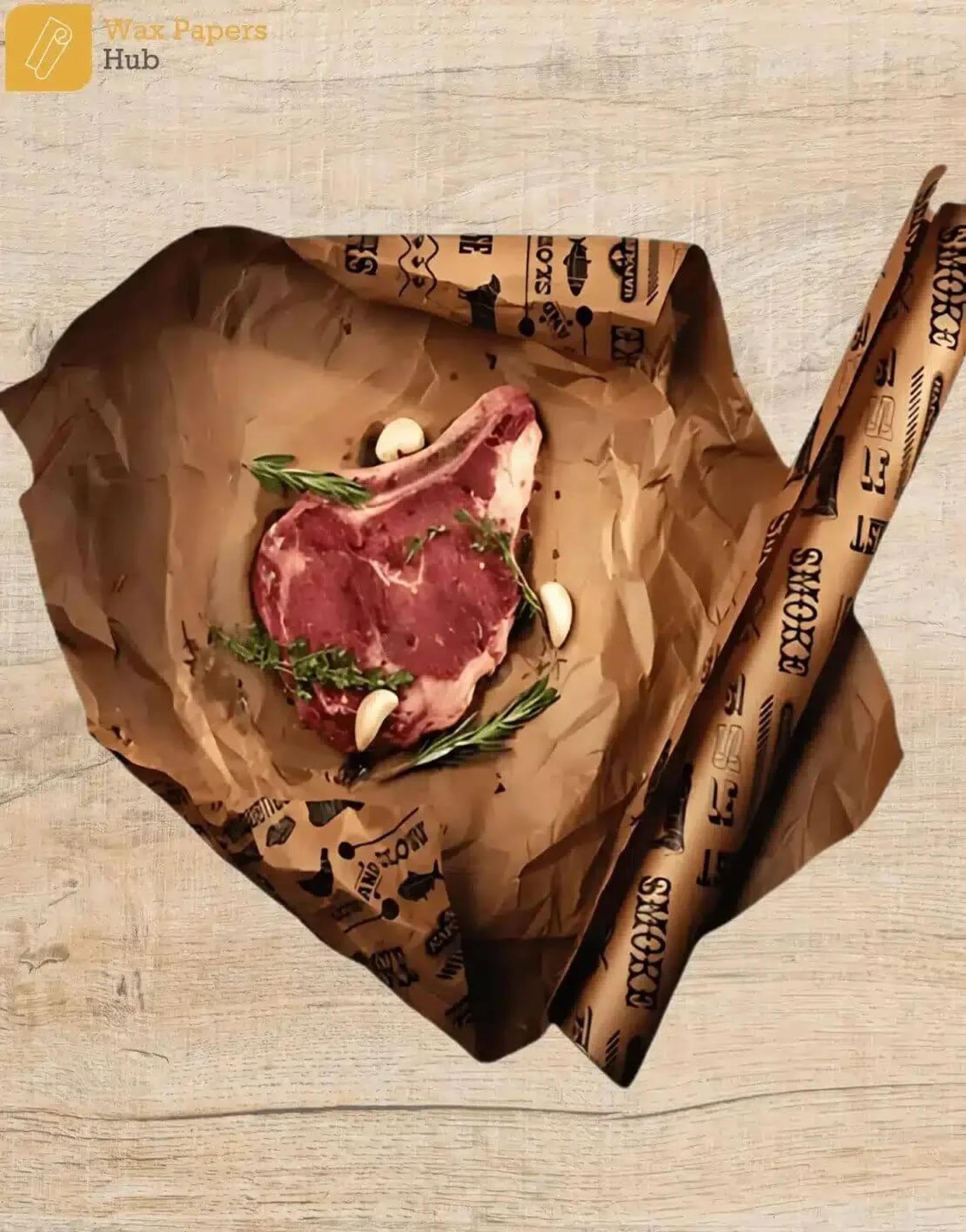
In a world that’s increasingly conscious of its environmental footprint, something as small as a piece of sandwich paper can still leave a lasting impact. It’s easy to overlook, especially when it’s wrapped around your favorite deli classic, grilled panini, or crispy breakfast sandwich. But that humble sheet of paper—used once, then tossed away—carries a set of environmental questions that more businesses and consumers are beginning to ask.
Are we wrapping our food in materials that break down naturally, or are we quietly contributing to landfill overload? Are brands using packaging that reinforces their sustainable mission, or just clinging to outdated habits? The answers lie in the choices being made at every level of the food industry, from independent food trucks to global chains.
Let’s unpack the environmental story behind sandwich paper—and find out whether it’s helping or harming the planet.
Making the Switch Without Breaking the Budget
One concern many businesses have is cost. Eco-friendly sandwich paper can cost more than generic wraps—especially when custom printed. But consider what that cost includes: better customer perception, reduced environmental guilt, compliance with emerging packaging laws, and long-term savings through brand loyalty.
Many suppliers now offer bulk discounts, flexible print options, and lower minimum order quantities for sustainable products, making the switch more accessible than ever.
What might feel like a cost increase is often an investment in long-term relevance and customer trust.
So—Is Your Sandwich Paper Helping or Harming?
It’s a question worth asking, even if the answer isn’t perfect yet. Maybe your brand is still using conventional waxed wraps because that’s what the budget allows. Or maybe you're midway through switching to compostable alternatives. What matters is awareness—and progress.


























Sign in to leave a comment.