
Feeling tired all the time? Experiencing hair fall, dizziness, or shortness of breath? These symptoms are often ignored or blamed on stress. However, one common reason behind them is low hemoglobin caused by iron deficiency.
Understanding the connection between hemoglobin and iron deficiency is important because both are closely related and directly affect your overall health.
Let’s break it down in simple terms.
What Is Hemoglobin?
Hemoglobin is a protein found in your red blood cells. Its main job is to carry oxygen from your lungs to every part of your body. Oxygen is essential for your organs, muscles, and brain to function properly.
When hemoglobin levels are normal, your body gets enough oxygen, and you feel energetic and active. But when hemoglobin levels drop, your body does not receive sufficient oxygen, leading to fatigue and weakness.
What Is Iron and Why Is It Important?
Iron is a mineral that plays a key role in producing hemoglobin. Without enough iron, your body cannot make sufficient hemoglobin. This means fewer healthy red blood cells are available to carry oxygen.
In simple words:
No iron → Low hemoglobin → Less oxygen → Fatigue and other symptoms.
This condition is commonly known as iron deficiency anemia.
How Iron Deficiency Affects Hemoglobin
Iron is a major component of hemoglobin. It binds with oxygen and allows red blood cells to transport it throughout the body. When iron levels drop, hemoglobin production slows down.
As hemoglobin decreases, your body starts showing warning signs such as:
- Constant tiredness
- Pale skin
- Hair fall
- Shortness of breath
- Dizziness
- Headaches
- Cold hands and feet
In severe cases, it can affect heart function because the heart has to work harder to supply oxygen.
Who Is at Higher Risk of Iron Deficiency?
Certain groups are more prone to iron deficiency and low hemoglobin levels:
- Women with heavy menstrual cycles
- Pregnant women
- Growing children and teenagers
- Vegetarians with poor iron intake
- People with digestive disorders
- Individuals with chronic blood loss
Women are especially vulnerable due to monthly blood loss and increased nutritional demands.
How Is Iron Deficiency Diagnosed?
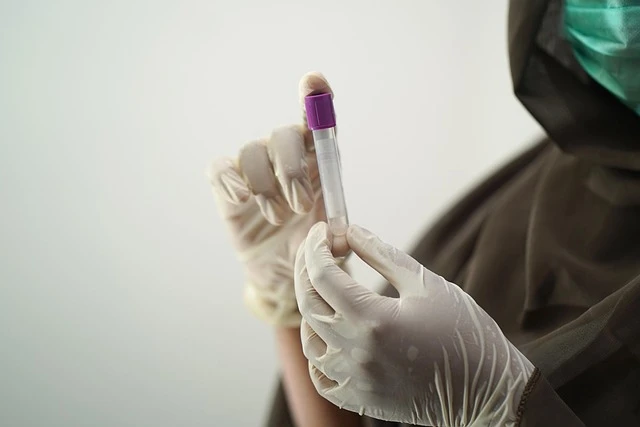
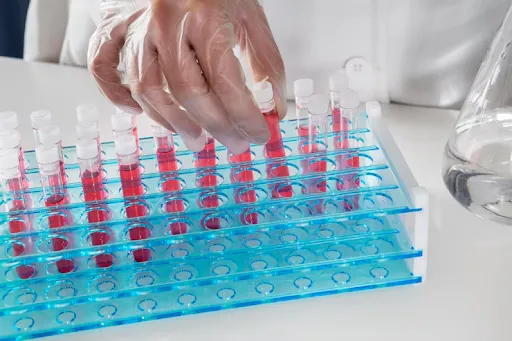
A simple blood test can check your hemoglobin levels. In many cases, doctors may also recommend additional tests like serum iron or ferritin levels to confirm iron deficiency.
If you are experiencing symptoms like fatigue, weakness, or hair thinning, it is important to get tested. Early detection can prevent complications. If you are in North Bengal and looking for the best lab for hemoglobin test in siliguri, make sure to choose a trusted diagnostic center that provides accurate and timely reports.
Timely testing helps in early treatment and faster recovery.
What Are Normal Hemoglobin Levels?
Normal hemoglobin levels vary depending on age and gender. Generally:
- Adult women: Around 12–15 g/dL
- Adult men: Around 13–17 g/dL
If your levels are below the normal range, your doctor may evaluate you for iron deficiency or other underlying causes.
Can Low Hemoglobin Be Treated?
Yes, iron deficiency and low hemoglobin can be treated effectively.
Treatment usually includes:
- Iron supplements prescribed by a doctor
- Dietary changes
- Treating underlying causes of blood loss
Iron supplements should not be taken without medical advice because excess iron can also cause problems.
Foods That Help Increase Hemoglobin
Improving your diet is one of the most effective ways to boost iron levels naturally. Some iron-rich foods include:
- Spinach and leafy greens
- Lentils and beans
- Pomegranate
- Beetroot
- Red meat
- Eggs
- Nuts and seeds
Vitamin C helps your body absorb iron better, so combining iron-rich foods with citrus fruits like oranges or lemon can improve results.
Why Early Testing Is Important
Many people ignore symptoms like fatigue and hair fall for months. Over time, untreated iron deficiency can worsen and lead to severe anemia. This can impact daily productivity, immunity, and even heart health.
Regular health check-ups and routine blood tests can help you monitor your hemoglobin levels and take action early.
Final Thoughts
The link between hemoglobin and iron deficiency is simple but crucial. Iron is essential for producing hemoglobin, and hemoglobin is essential for carrying oxygen. When iron levels drop, hemoglobin drops too, leading to reduced oxygen supply in the body.
If you are constantly tired, weak, or noticing unusual symptoms, do not ignore them. A simple blood test can provide clarity and guide you toward the right treatment.
Taking care of your nutrition, getting regular tests, and consulting a doctor when needed can help you maintain healthy hemoglobin levels and improve your overall well-being.

























Sign in to leave a comment.