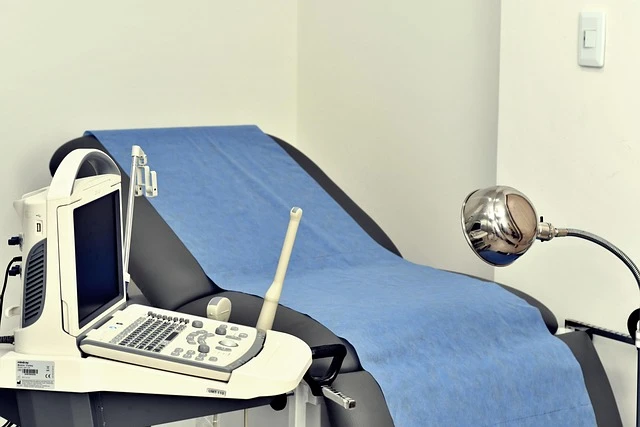

An endoscopy is a common medical procedure that helps doctors examine the inside of your digestive system. It uses a thin, flexible tube with a camera to view organs like the food pipe, stomach, and upper part of the intestine. Doctors usually recommend an endoscopy when digestive symptoms persist for a long time or when medicines fail to provide relief.
Many people ignore stomach-related issues, assuming they are caused by stress, irregular meals, or lifestyle habits. While minor problems may resolve on their own, some symptoms should never be ignored. Identifying these warning signs early can help prevent serious complications.
Below are 10 common symptoms that doctors take seriously and often recommend an endoscopy to investigate further.
1. Persistent Stomach Pain
Occasional stomach pain is normal, but pain that lasts for weeks or keeps coming back may indicate ulcers, gastritis, or inflammation. If pain interferes with daily activities or sleep, doctors may advise an endoscopy to identify the cause.
2. Frequent Acidity or Heartburn
Heartburn after spicy food is common, but frequent acidity or a burning sensation in the chest can signal gastroesophageal reflux disease (GERD). Long-term acid reflux can damage the food pipe, making early diagnosis important.
3. Difficulty or Pain While Swallowing
Trouble swallowing food or feeling like food is stuck in the throat is not normal. It may indicate narrowing, swelling, or growth in the food pipe. An endoscopy helps doctors examine the area closely.
4. Unexplained Weight Loss
Losing weight without trying, especially when appetite is normal, can be a warning sign. Digestive disorders, poor absorption of nutrients, or serious conditions may be responsible.
5. Continuous Nausea or Vomiting
Nausea or vomiting that lasts more than a few days should be evaluated. It could be due to infections, blockages, or irritation inside the stomach or intestine.
6. Blood in Vomit or Stool
Seeing blood in vomit or black, tarry stools is a serious symptom. It may suggest internal bleeding caused by ulcers, inflammation, or other conditions that require immediate medical attention.
7. Chronic Indigestion or Bloating
Indigestion that occurs almost daily, even after eating small meals, may point to underlying digestive issues. Persistent bloating, gas, or discomfort should not be ignored.
8. Long-Term Constipation or Diarrhea
Changes in bowel habits that last for weeks can indicate inflammation, infection, or other digestive tract problems. Doctors may recommend further evaluation if symptoms do not improve.
9. Anaemia with No Clear Cause
Low hemoglobin levels are sometimes caused by slow, hidden bleeding in the digestive tract. An endoscopy can help locate the source of bleeding and guide treatment.
10. Family History of Digestive Diseases
People with a family history of stomach cancer, ulcers, or other gastrointestinal conditions may need closer monitoring. Doctors may suggest screening even if symptoms are mild.
What Happens During an Endoscopy?
An endoscopy is usually a short and safe procedure. In most cases, patients are given mild sedation to stay comfortable. The camera helps doctors view the digestive tract clearly and, if required, take small tissue samples for testing. Most patients can return home the same day.
Is Endoscopy Safe?
Yes, endoscopy is considered very safe when performed by trained professionals. Complications are rare, and the benefits of early diagnosis usually outweigh the risks.
When Should You See a Doctor?
If you experience any of the above symptoms for more than a few days or notice them worsening over time, it’s important to consult a doctor. Early evaluation can help avoid long-term complications and lead to faster recovery.
If your doctor recommends it, an endoscopy test in Siliguri can help identify digestive problems early and ensure proper treatment.
Digestive health plays a major role in overall well-being. Ignoring persistent symptoms can delay diagnosis and make treatment more difficult. Paying attention to your body and seeking medical advice at the right time can make a significant difference.
If something doesn’t feel right, don’t ignore it. Early detection through endoscopy can help protect your health and give you peace of mind.



























Sign in to leave a comment.