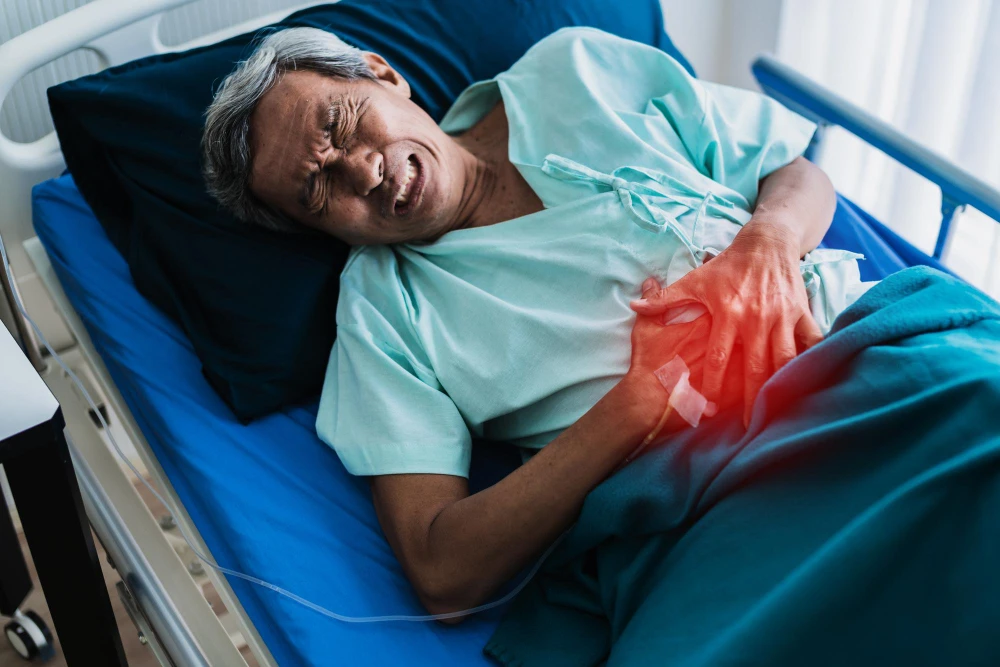
A hernia is one of those health issues that often starts small, just a slight bulge or occasional discomfort. Many people brush it off, thinking it’s nothing serious. But over time, that little lump can grow, causing pain and even leading to complications that require surgery.
If you've noticed a bulge in your abdomen or groin that appears when you stand or strain, it might be time to pay attention. Understanding the causes, symptoms, and when to seek medical help can make all the difference.
What is a Hernia?
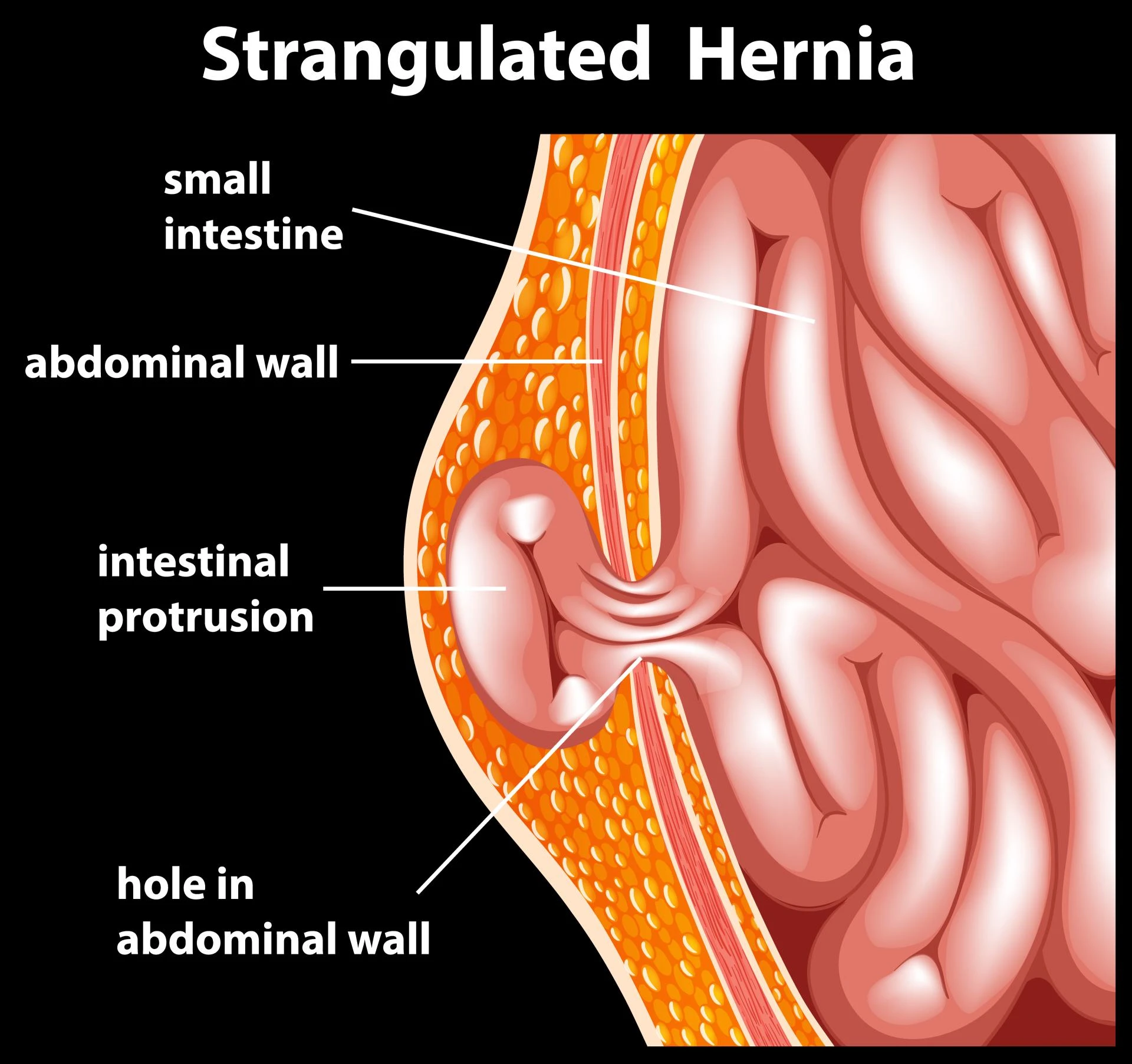
A hernia occurs when an organ or fatty tissue pushes through a weak spot in the surrounding muscle or connective tissue. Imagine a small tear in a bag—over time, the contents start to push through.
Hernias can appear in different parts of the body, but the most common types include:
- Inguinal hernia – Appears in the groin area, more common in men.
- Umbilical hernia – Develops near the belly button, seen in both infants and adults.
- Hiatal hernia – Occurs when the stomach pushes into the chest cavity, leading to acid reflux.
- Incisional hernia – Forms at the site of a previous surgical incision.
What Causes a Hernia?
Hernias develop when muscle weakness combines with excessive strain. Some common causes include:
✔ Lifting heavy objects improperly – Straining your muscles while lifting can create weak spots.
✔ Chronic coughing or sneezing – Persistent pressure on the abdomen can contribute to a hernia.
✔ Obesity – Excess weight puts stress on the abdominal wall.
✔ Pregnancy – The stretching of muscles can lead to weakness.
✔ Frequent constipation – Straining during bowel movements can increase the risk.
✔ Previous surgeries – Incisions from past surgeries may weaken the abdominal wall.
Genetics also plays a role—if family members have had hernias, there’s a higher chance of developing one.
Signs & Symptoms of a Hernia
A hernia doesn’t always cause pain right away, but some signs to watch out for include:
➡ A visible bulge – This is the most common symptom. It might become more noticeable when standing or coughing.
➡ Pain or discomfort – Especially when lifting, bending, or straining.
➡ A heavy or dragging sensation – Some describe it as pressure in the affected area.
➡ Heartburn or difficulty swallowing – Seen in hiatal hernias due to acid reflux.
➡ Swelling or tenderness – If the hernia is worsening, it may cause pain or tenderness around the area.
⚠ When to Seek Immediate Medical Help
If you experience severe pain, nausea, vomiting, or if the bulge becomes hard and doesn’t go away, seek urgent medical attention. This could indicate a strangulated hernia, a condition where the blood supply is cut off, requiring emergency surgery.
Do All Hernias Require Surgery?
Not necessarily. Some hernias are small and painless, and doctors may suggest monitoring them. However, most hernias don’t go away on their own and tend to grow over time.
A general surgeon will assess the hernia and recommend one of the following approaches:
1️⃣ Watchful Waiting – If the hernia isn’t causing pain, the doctor may monitor it over time.
2️⃣ Surgery – If the hernia is growing, causing discomfort, or at risk of complications, surgery is usually the best option.
If you're looking for general surgeons in Kanchipuram, they can guide you on the best course of action based on your symptoms.
Types of Hernia Surgery
Hernia repair is a common and effective procedure. The two main surgical options are:
🔹 Open Surgery – The surgeon makes an incision, pushes the hernia back in place, and reinforces the weak area with stitches or mesh.
🔹 Laparoscopic (Keyhole) Surgery – A minimally invasive technique using small incisions and a camera-guided procedure, leading to quicker recovery.
Both procedures have high success rates, and the choice depends on factors like hernia size, location, and overall health.
Recovery After Hernia Surgery
Most people recover within a few weeks, but following these tips can help speed up the healing process:
✔ Avoid heavy lifting – Give your body time to heal by avoiding strenuous activities for 4-6 weeks.
✔ Stay active – Gentle walking can help with circulation and prevent stiffness.
✔ Eat a fiber-rich diet – Prevent constipation to avoid straining the repaired area.
✔ Follow post-surgery care instructions – Regular follow-ups ensure smooth healing.
Final Thoughts: When Should You See a Doctor?
If you have a noticeable bulge, discomfort, or worsening symptoms, don’t ignore it. Hernias don’t heal on their own, and delaying treatment can lead to complications.
Consulting a gastroenterology specialist hospital or a general surgeon can help you determine whether surgery is necessary. Early detection and timely treatment can prevent future complications and ensure a smoother recovery. If you suspect you have a hernia, don’t wait—take the next step toward better health today!





























Sign in to leave a comment.