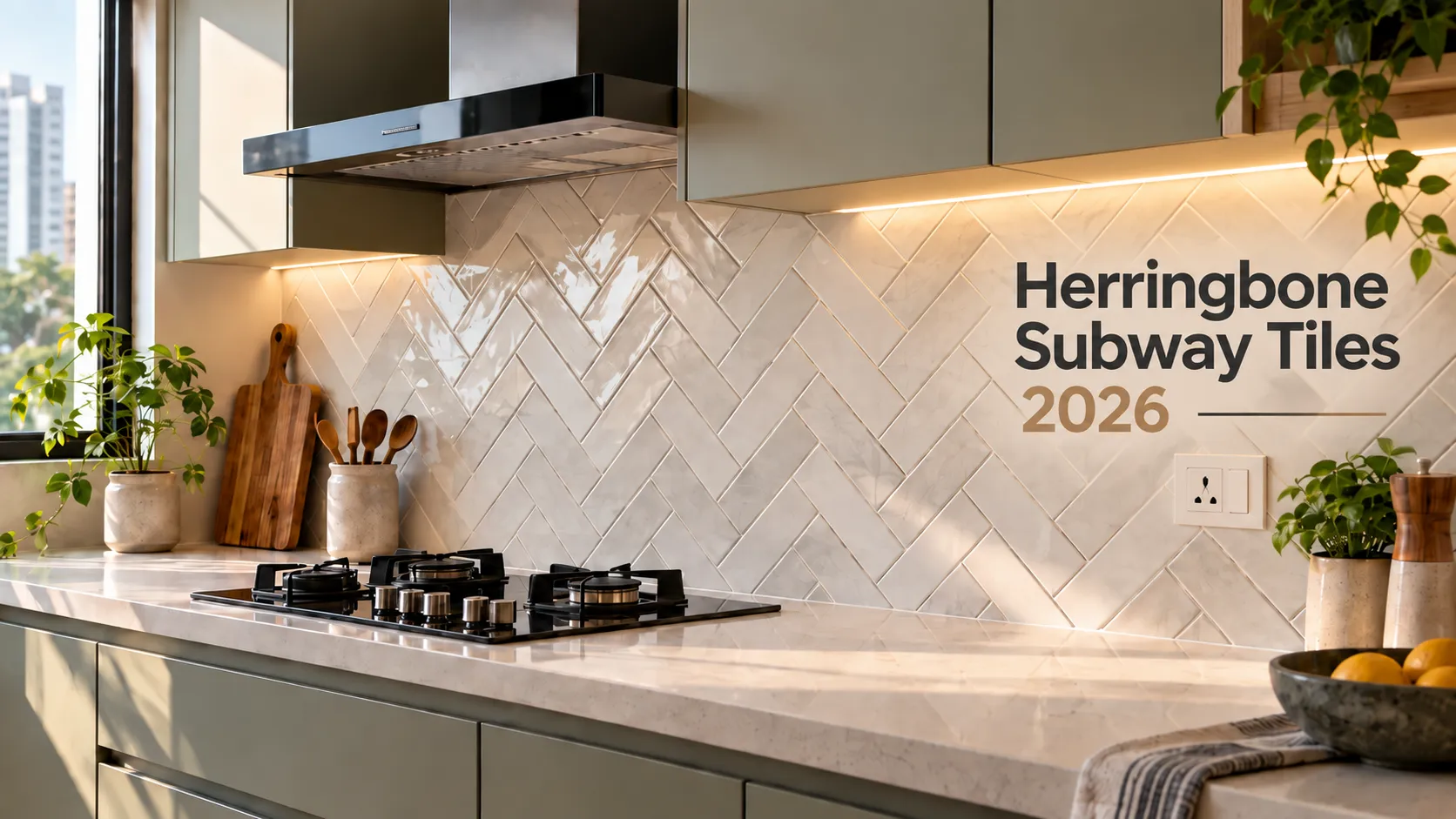

Herringbone Subway Tiles patterns are incredibly popular in modern Indian homes, bringing a premium and stylish feel to kitchens and bathrooms. However, getting that perfect zigzag look requires careful planning before the installation begins. If you do not plan the edges and corners correctly, the final result can look messy and unaligned. This guide will help you understand how to design and install herringbone subway tiles properly, ensuring your walls look beautiful and professionally finished.
The Difference Between Herringbone Subway Tiles and Chevron
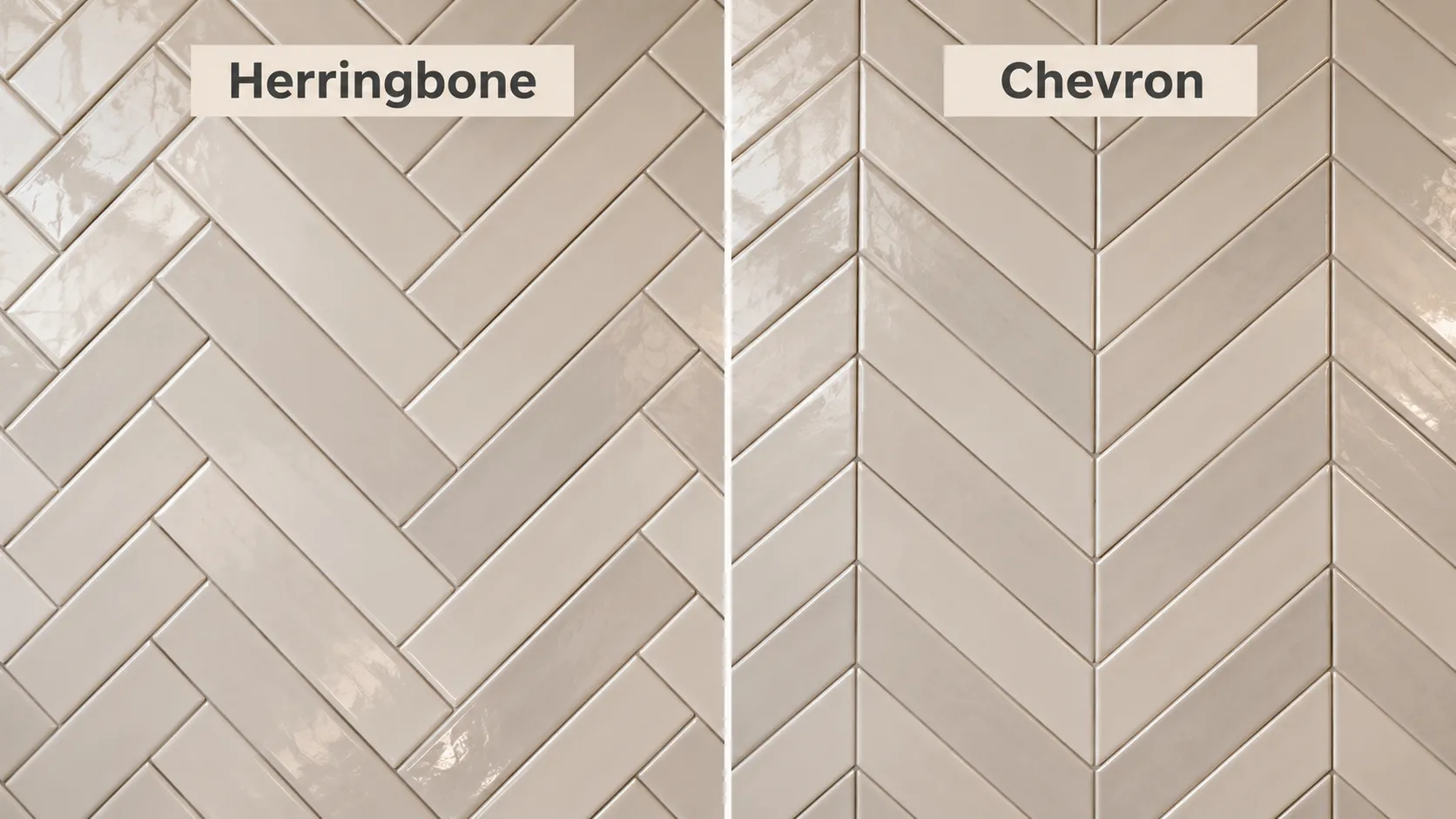
Many buyers confuse herringbone with chevron designs, but they are not the same thing. Herringbone uses standard rectangular tiles that interlock at the ends to form a zigzag shape. Chevron, on the other hand, uses tiles with specially cut angled ends that meet to form a continuous "V" shape. Always confirm the tile shape with your dealer before ordering to ensure you get the exact pattern geometry you want.
Planning Your Herringbone Subway Tiles Layout

The most common mistake people make is starting their installation exactly from the mathematical center of the wall. Instead, you should start the pattern from the most important visual feature in the room. This could be your kitchen cooktop, a large window, or a bathroom vanity. By aligning your herringbone subway tiles to this specific focal point, the pattern will look much more deliberate and pleasing to the eye. After choosing the start point, dry-lay the tiles on the floor to see how the pattern ends at the corners so you can avoid ugly, tiny tile slivers.
Choosing the Right Grout

Grout is not just a gap filler; it completely changes how your patterned wall looks. If you want a subtle, elegant look, choose a grout color that closely matches your tiles. If you want the zigzag geometry to stand out boldly, use a contrasting dark grout. Just remember that high-contrast grout will also highlight any slight variations in tile sizes or uneven installation, so your mason needs to be highly skilled if you choose a dark color.
Buying the Correct Quantity

A herringbone pattern requires more cutting at the boundaries than a standard straight layout, which means more wastage. Do not rely on a standard 10% waste rule. Instead, ask your installer to calculate the exact requirement based on your specific wall size, corners, and window openings. For detailed planning, checking a herringbone subway tiles layout guide from a reliable industry source like Morbi Tile Hub can help you verify the correct shade, batch continuity, and proper tile application. Always buy a few extra boxes from the same batch to keep safely for future repairs.
Checking Tile Suitability
Never assume a tile is suitable for all areas just because it looks good. A tile that works beautifully for a dry kitchen backsplash might not be safe or durable for a wet shower floor. Always check the manufacturer's intended use and ensure your installer uses the correct waterproofing and adhesives for that specific area, rather than assuming the tile itself will act as waterproofing.
Conclusion
Creating a stunning herringbone wall is all about careful preparation. By verifying the tile shape, planning the layout from a clear focal point, and selecting the right grout, you can avoid costly mistakes. Take the time to mock up the design before mixing any adhesive, and you will achieve a flawless, high-end finish for your home.
















Sign in to leave a comment.