

Introduction
Choosing the best kitchen backsplash tiles for your new home can be challenging, but it is one of the most important decisions you will make. In an active Indian kitchen, your cooking area faces daily challenges like heavy tadka, hot oil splatters, and stubborn turmeric stains. While every tile looks beautiful in a well-lit showroom, not all of them are easy to maintain at home. If you want a space that is both stylish and simple to clean, you need a smart, practical approach. Let us look at what really matters before making a purchase.
Match kitchen backsplash tiles to your cooking zones

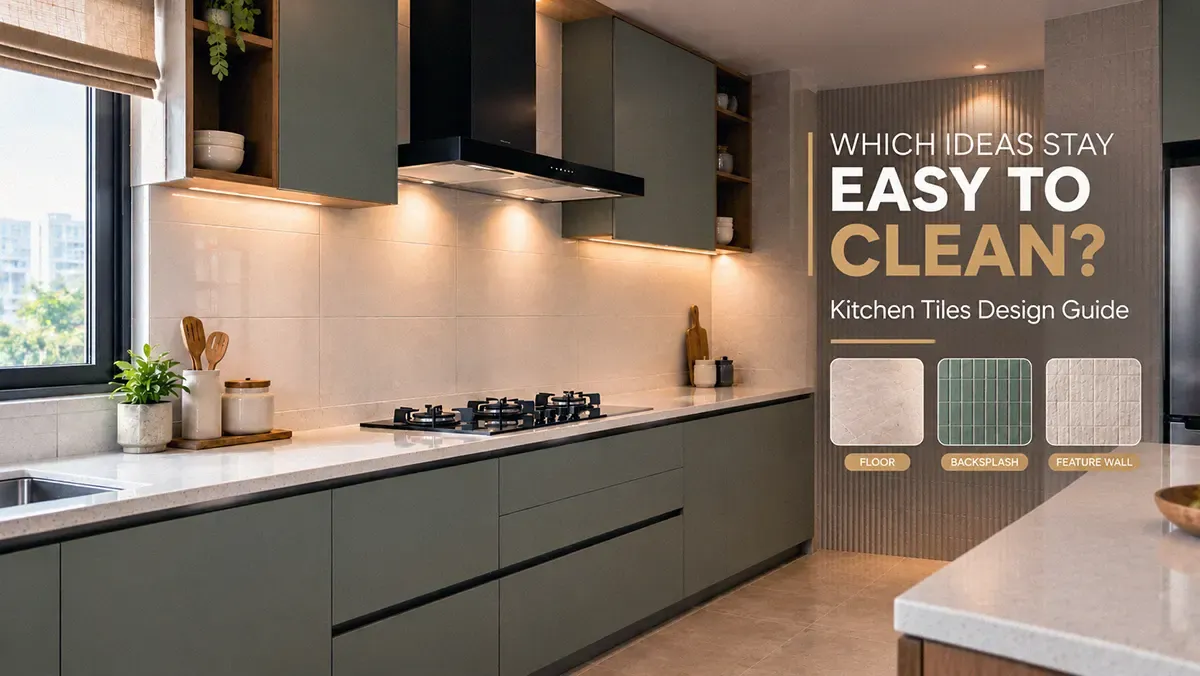
The biggest mistake buyers make is treating the entire kitchen wall as one uniform space. In reality, your kitchen has distinct zones with very different cleaning needs. The wall directly behind your gas hob takes the most punishment from high heat and sticky grease.
On the other hand, the wall behind your sink mostly deals with soapy water and food splashes. Away from these active areas, your decorative feature walls face very little mess. By understanding these zones, you can place highly cleanable tiles near the stove and reserve heavily textured, decorative tiles for low-exposure walls.
The Truth About Ceramic vs. Porcelain

When shopping, dealers will often push you to buy porcelain tiles because they are considered premium. It is true that porcelain has an extremely low water absorption rate. However, on a vertical kitchen wall that is never submerged in water, this metric is less important.
A well-glazed ceramic tile can perform beautifully on a backsplash and is often easier for masons to cut and install. Instead of focusing only on the material category, compare the actual surface finish, format, and total installed price.
Smooth Finishes vs. Heavy Textures
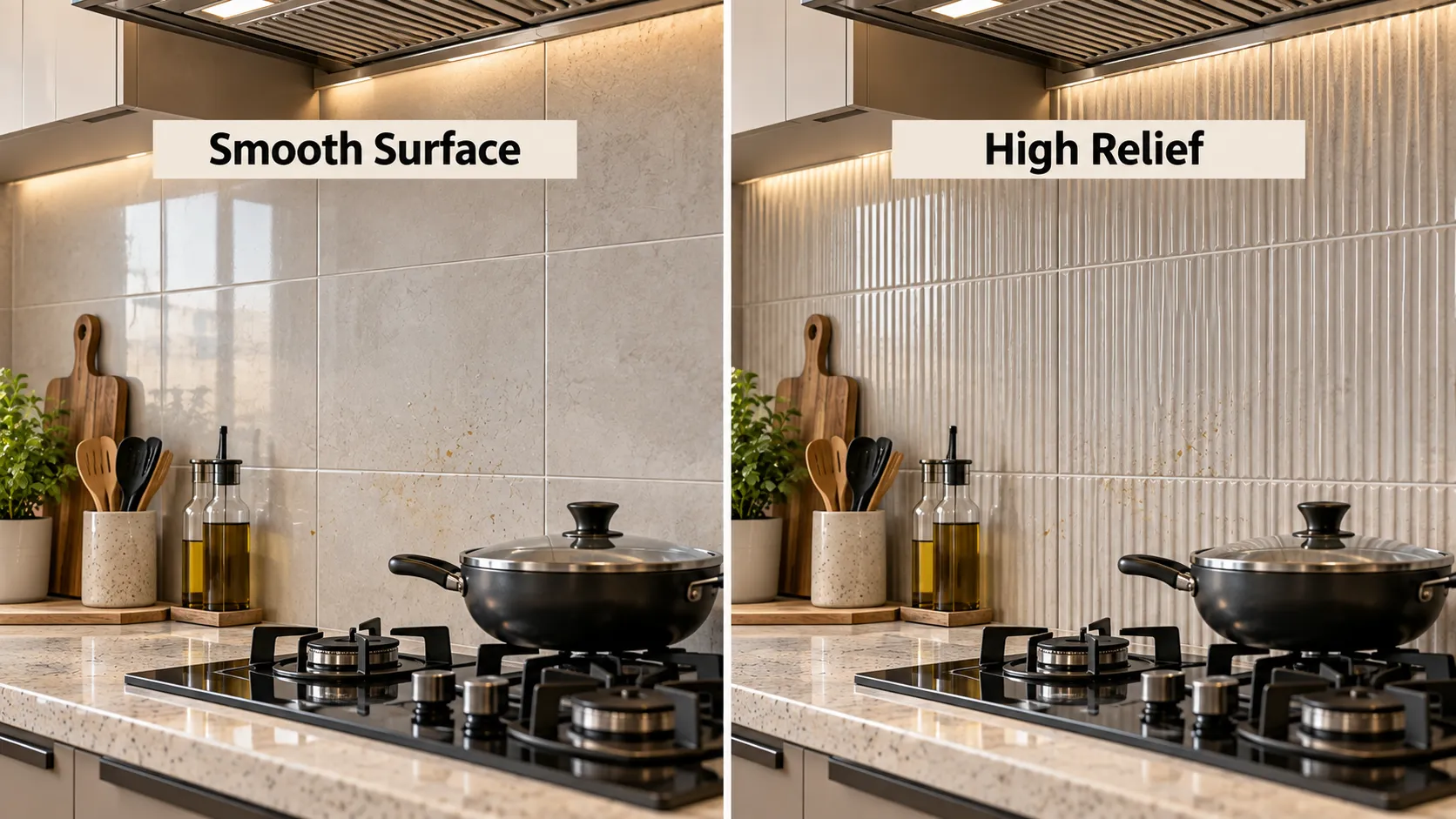
A tile with deep 3D relief or a handmade texture looks stunning, but every groove is a place where oil and dust can settle. If you do a lot of heavy frying, a smooth, flat glazed tile is much easier to wipe clean daily.
You also need to decide between glossy and matte finishes. Glossy surfaces are incredibly easy to wipe, but they quickly show water spots and fingerprints under kitchen lights. Matte finishes hide those small water marks better, but they might require a bit more physical effort to scrub away a greasy film.
Do Not Ignore Your Grout
Grout is often the last thing buyers think about, but it is responsible for most maintenance headaches. Standard cementitious grout is porous. Over time, it will absorb oil, turmeric, and cleaning chemicals, leading to permanent discoloration.

For areas near the hob, ask your contractor about using a high-performance reaction-resin or epoxy grout. While no grout is entirely stain-proof, these advanced options offer much stronger resistance against liquid absorption. If you are exploring different layouts and installation methods, reading a comprehensive kitchen backsplash tiles buying guide can help you make the right choice for your specific cooking habits.
Important Buying and Installation Tips
Before ordering your tiles, never rely on a flat ten percent waste rule. The amount of extra tile you need depends heavily on your wall dimensions, the tile size, and the number of electrical outlets you have to cut around. Large-format tiles mean fewer grout lines, but they require a perfectly flat wall for proper installation.
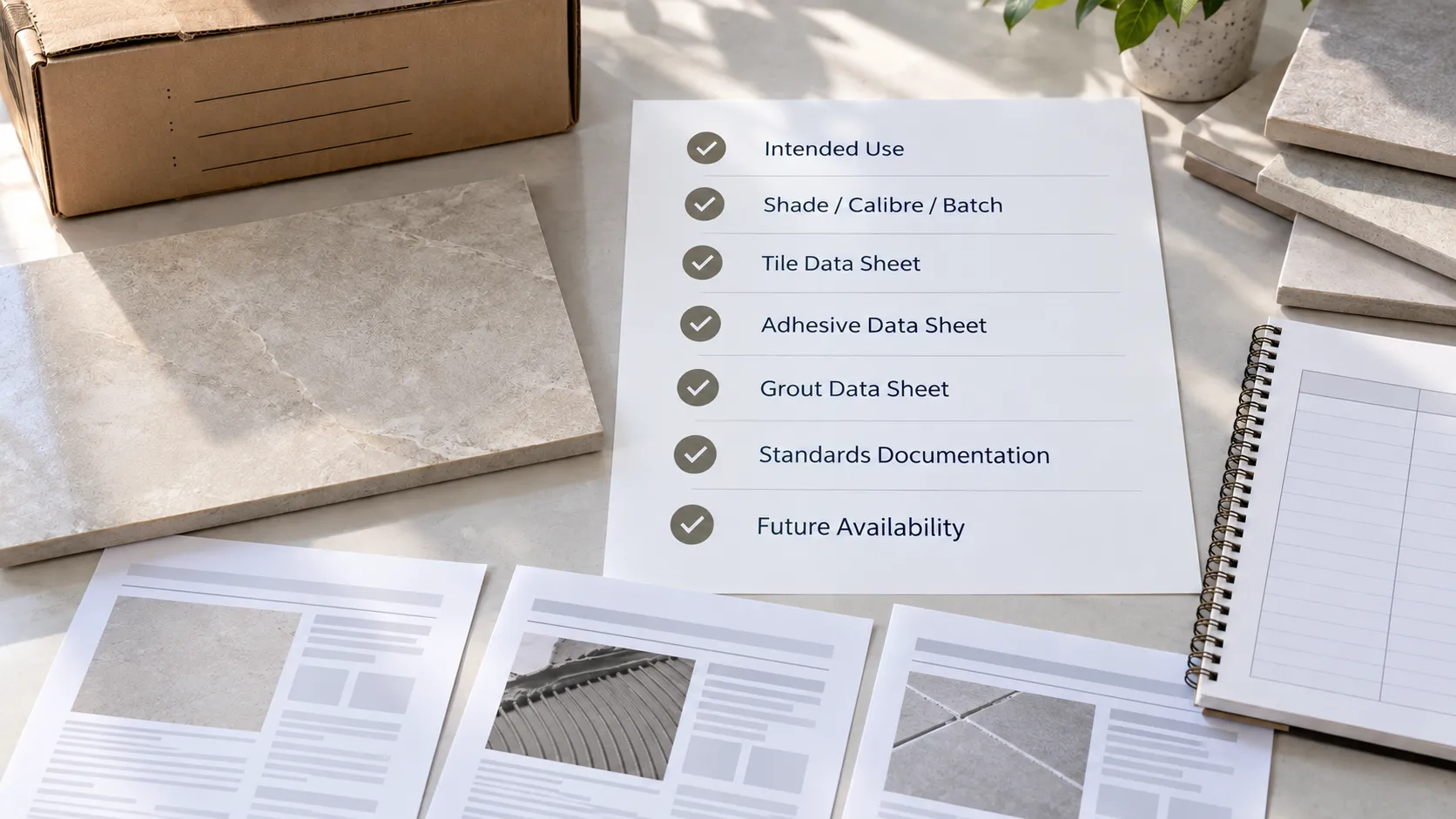
Additionally, sourcing materials from a major manufacturing centre like Morbi, Gujarat, gives you access to a wide variety of fresh designs. Partnering with a reliable supplier like Morbi Tile Hub ensures you get high-quality materials with consistent shade and batch numbers. Always keep a few extra tiles safely stored away for any future repairs.
Conclusion
A beautiful kitchen does not have to be difficult to maintain. By choosing the right tile surface for each cooking zone, selecting a stain-resistant grout, and planning your layout carefully, you can enjoy a stress-free cooking experience. Focus on practical cleanability near the hob, and your kitchen will look brand new for years to come.




















Sign in to leave a comment.