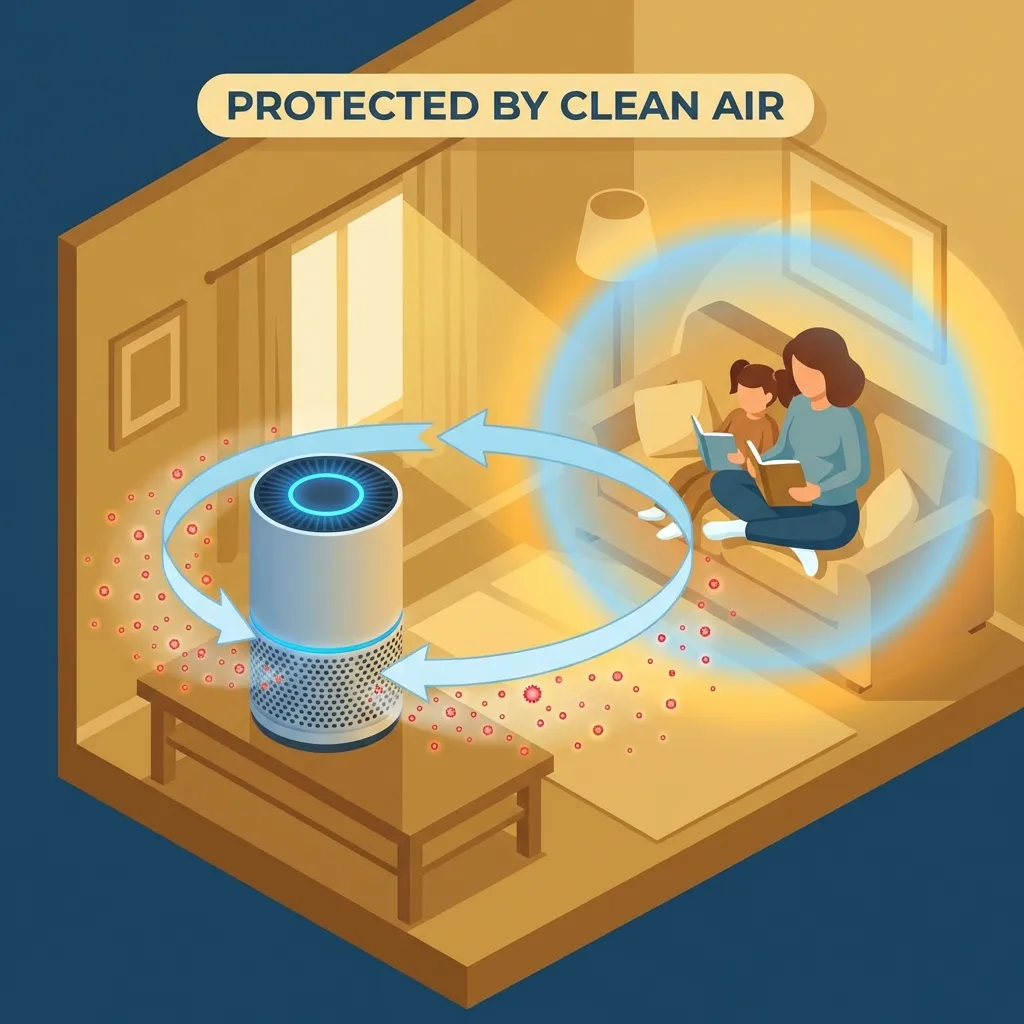

Most Americans think of air pollution as something that exists outside their home, car exhaust, industrial emissions, wildfire smoke drifting in from miles away. But the reality in 2026 is that some of the highest concentrations of harmful gases and chemical vapors found anywhere are generated right inside the home, by the very products families use every single day. When searching for a co2 air purifier or a standard purifier for general air quality, many buyers are surprised to discover that a specialist gas-phase filtration solution is what they actually need to address the invisible chemical threats that household products, cooking, and everyday routines quietly introduce into their indoor air every day.
Your Cleaning Products Are Polluting Your Indoor Air
It may seem counterintuitive, but some of the most significant sources of indoor gas pollution in a typical American home are the products used to clean it. Conventional household cleaners, bleach, disinfectant sprays, glass cleaners, floor polishes, oven cleaners, and air fresheners, all release VOCs and reactive gases into the air as they are used and as residues evaporate from surfaces afterward. Bleach reacts with organic matter to produce chloroform and chloramines. Many spray cleaners contain ethylene glycol butyl ether, a solvent known to cause respiratory irritation and nervous system effects with repeated exposure. Fragranced products, including air fresheners, scented candles, and fabric softeners, release dozens of additional VOCs when burned or aerosolized, including acetaldehyde, benzene, and limonene. According to Wikipedia's article on volatile organic compounds, VOC concentrations indoors are consistently two to five times higher than outdoors, and peak dramatically during and immediately after cleaning activities. For families who clean regularly in a home without adequate gas-phase air filtration, this represents a significant and ongoing source of chemical exposure that accumulates quietly over years of daily use.
Cooking Fumes: The Daily Gas Pollution Source Most Ignore
Cooking is one of the most significant and most overlooked sources of indoor gas and vapor pollution in American homes. Gas stoves produce nitrogen dioxide, carbon monoxide, and other combustion byproducts with every use, and research consistently shows that kitchens with gas hobs regularly exceed EPA outdoor air quality standards for nitrogen dioxide during cooking. Even electric stoves generate significant VOC and particulate emissions when cooking at high heat, oils and fats produce acrolein and other aldehydes when they reach high temperatures, and any burning or charring of food generates a complex mixture of combustion gases and fine particles. A dedicated vapor air purifier positioned in or near the kitchen, running continuously through and after cooking, addresses the gas-phase component of cooking pollution, the chemical vapors and reactive gases, that kitchen exhaust fans alone cannot fully eliminate. The activated carbon in a quality gas purifier adsorbs cooking-generated aldehydes, nitrogen compounds, and VOCs before they can spread throughout the home and contribute to the gradual accumulation of chemical exposure that characterizes modern indoor environments.
Personal Care Products and the VOCs You Wear Every Day
Beyond cleaning and cooking, personal care products represent a third major and frequently overlooked source of indoor VOC exposure. Perfumes and colognes, hair sprays, nail polishes and removers, deodorants, hair dyes, and even many moisturizers and shampoos contain synthetic fragrances and chemical solvents that off-gas into the bathroom and bedroom air during and after use. Acetone from nail polish remover, ethanol from many sprays and gels, benzyl alcohol from fragrances, and toluene from some nail products are all regularly introduced into home air through personal care routines. In a small, poorly ventilated bathroom, these chemicals can reach surprisingly high concentrations in the air during morning and evening routines. An air purifier for co2 search will not find what is needed here, what these spaces require is a compact, well-sized gas-phase purifier with a meaningful activated carbon filter installed in or near the bathroom and bedroom to capture and adsorb the VOC emissions from personal care products before they accumulate to problematic levels throughout the day.
Printers, Copiers, and Office Equipment at Home
In 2026, with millions of Americans still working from home for at least part of their working week, the air quality impact of home office equipment has become a newly recognized concern. Laser printers and photocopiers generate ultrafine particles and toner-related VOCs with every print job, including styrene, benzene, and ethylbenzene. These emissions are most concentrated in the room where the equipment is located, but spread throughout the home via HVAC systems and open doors. A quality gas air purifier positioned in the home office captures both the fine particles and the chemical vapors generated by printing equipment, reducing the ongoing chemical load that home workers breathe throughout their working day. This is particularly relevant for people who print frequently or in large volumes, as printer VOC emissions accumulate rapidly in poorly ventilated home office spaces. Combine a gas-phase purifier with good ventilation, opening a window or using a mechanical ventilation fan, and the air quality impact of home office equipment becomes genuinely manageable rather than an unaddressed background health risk.
Choosing the Right Gas Purifier for Everyday Household Use
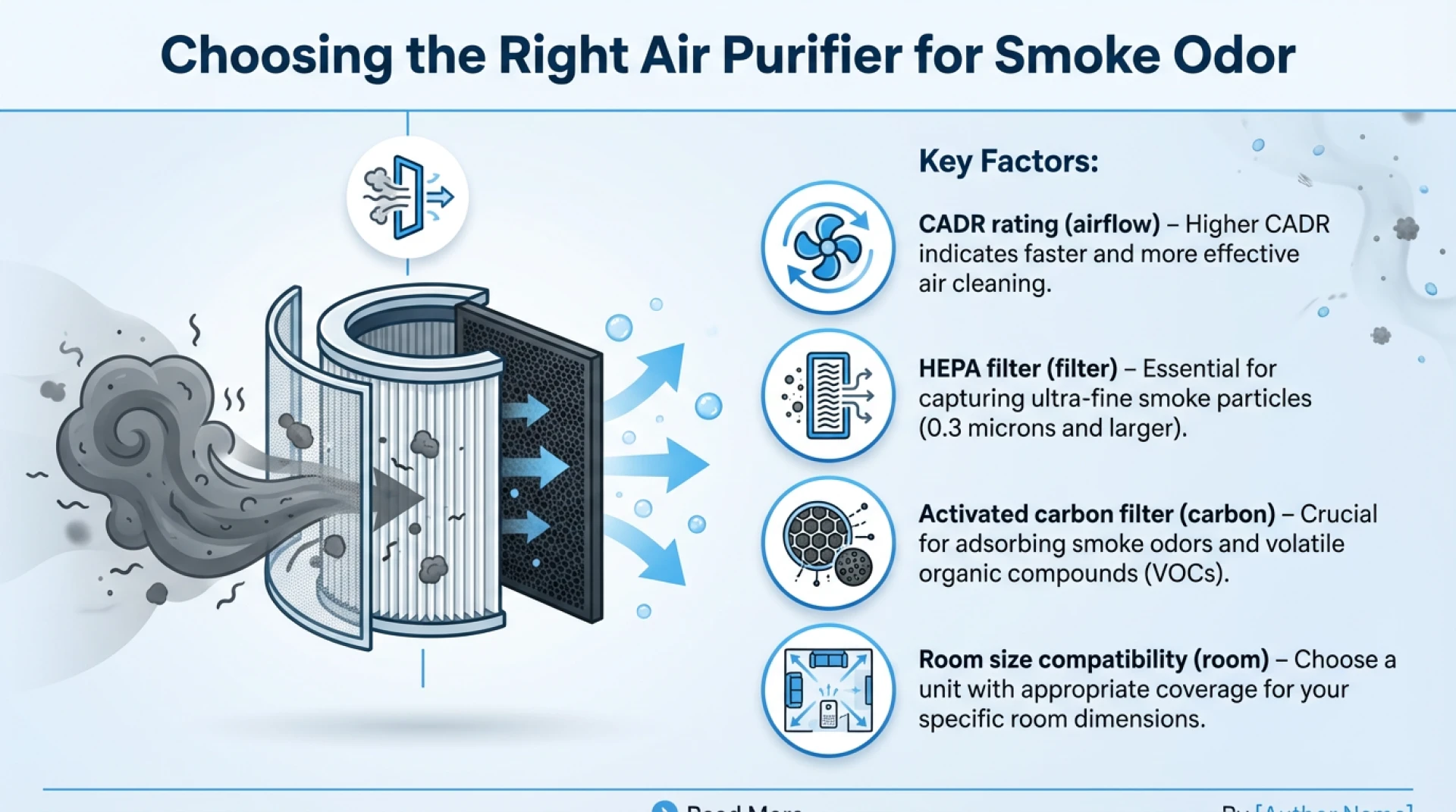
For most American households dealing with the everyday VOC sources described above, cleaning products, cooking fumes, personal care products, and home office equipment, a well-specified activated carbon purifier running continuously in the main living areas provides meaningful and lasting protection. The key specifications to look for are the same as for any gas-phase application: a deep-bed carbon filter with at least one to two pounds of granular activated carbon, a True HEPA layer to capture the fine particles that accompany many gas-phase pollution events, and CARB certification confirming the unit is ozone-free. Look for a gas air purifier with a smart auto mode and a VOC sensor, not just a particle sensor, so the unit actively responds to chemical vapors from cleaning or cooking rather than waiting for particle levels to rise before ramping up. According to Wikipedia's overview of indoor air quality, controlling indoor pollution sources and using effective air filtration are the two most evidence-supported strategies for improving the chemical safety of indoor environments, and for everyday household VOC sources, an activated carbon purifier running consistently is one of the most accessible implementations of that second strategy available to any American household.
Clean Air Is Not Just About What Comes Through the Window
The most important shift in thinking about indoor air quality in 2026 is the recognition that the greatest gas-phase pollution threats in most American homes are not coming from outside, they are being generated inside, every single day, by the products families use to clean, cook, groom, and work. Opening a window helps, but it is not a reliable or sufficient strategy for managing the chemical vapors produced by bleach sprays, gas stoves, perfumes, and laser printers in a modern home environment. A purpose-built, continuously running air purifier with substantial gas-phase filtration capability is the tool that addresses these indoor sources directly and consistently. Whether the primary concern is cooking fumes in the kitchen, cleaning chemicals in the living room, personal care products in the bathroom, or printer emissions in the home office, a dedicated vapor air purifier with a deep activated carbon filter provides the kind of all-day, every-room chemical protection that makes a measurable difference to the air quality and the health of everyone who breathes that air, from the first cup of coffee in the morning to the last room cleaned at night.


























Sign in to leave a comment.