
Introduction
In today’s energy-driven economy, businesses can no longer afford inefficient solar investments. High-efficiency commercial PV designs are redefining how organizations reduce costs, meet sustainability goals, and maximize ROI.
As commercial energy demand rises, companies are turning to advanced photovoltaic (PV) system design strategies that deliver more power per square meter while optimizing long-term performance. This article explores the latest trends, tools, and technologies shaping high-efficiency commercial solar solutions.
The Shift Toward High-Efficiency Commercial PV Designs
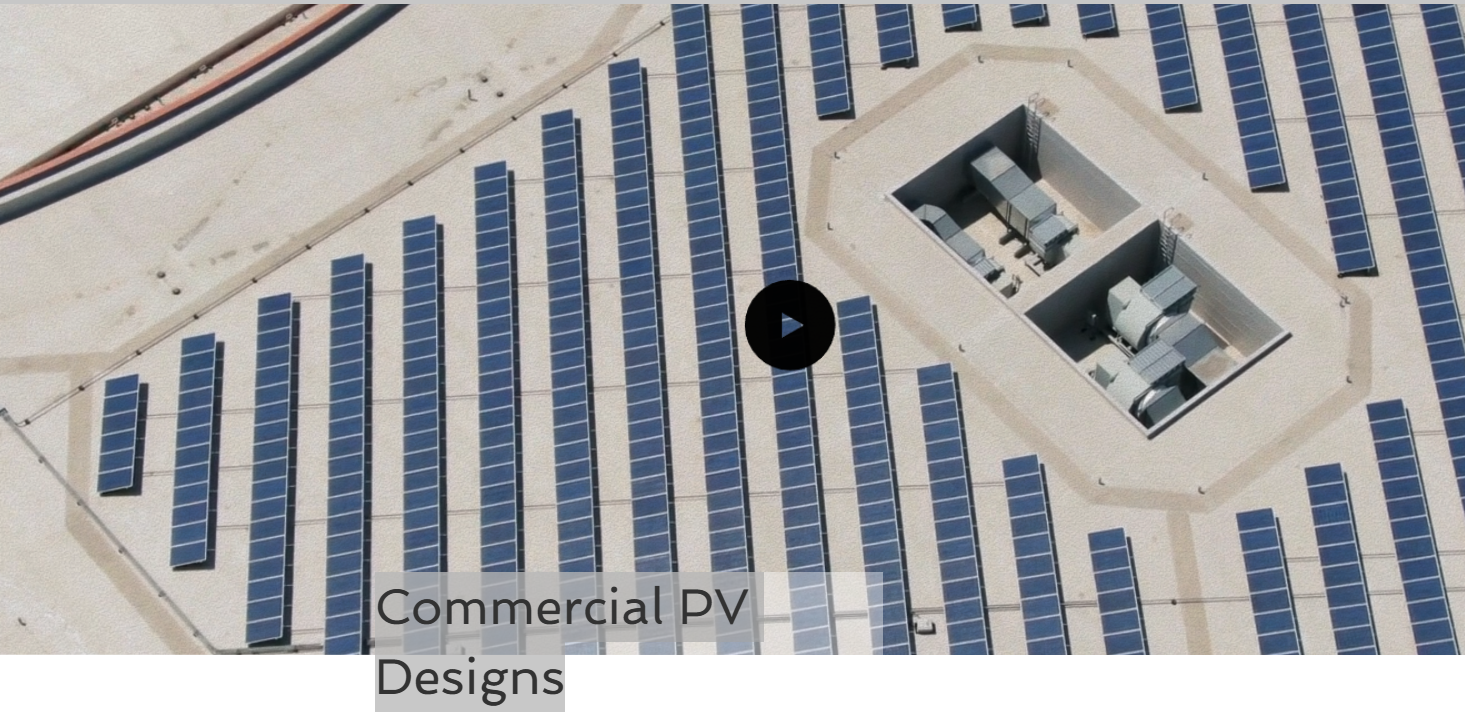
Modern commercial PV design is no longer just about installing panels—it’s about engineering intelligent energy systems. High-efficiency designs focus on maximizing energy output, minimizing losses, and ensuring scalability for future expansion.
Key drivers include rising electricity costs, stricter sustainability regulations, and the growing demand for net-zero buildings. Businesses now require solar solutions that align with both financial and environmental objectives.
Key Trends in Commercial PV System Design
1. Bifacial Solar Panels
Bifacial modules capture sunlight from both sides, increasing energy generation by up to 20%. These are especially effective in large commercial installations with reflective surfaces.
2. Integration with Energy Storage
Battery storage systems are becoming a standard component of commercial PV systems. They allow businesses to store excess energy, reduce grid dependence, and ensure uninterrupted operations.
3. AI-Powered Design Optimization
Artificial intelligence is transforming PV system design by analyzing site conditions, shading patterns, and load requirements. This leads to highly optimized layouts and improved performance forecasting.
4. Building-Integrated Photovoltaics (BIPV)
BIPV systems integrate solar panels directly into building materials such as facades and roofs, combining functionality with aesthetics—ideal for modern commercial infrastructure.
Advanced Tools for High-Efficiency PV Design
To achieve optimal results, engineers rely on advanced solar design software and simulation tools. These platforms enable accurate system modeling, performance prediction, and cost analysis.
Popular capabilities include:
- 3D site modeling and shading analysis
- Energy yield simulations
- Financial ROI forecasting
- Real-time performance monitoring integration
Using these tools ensures precision in system layout and helps businesses make data-driven investment decisions.
Technologies Driving Efficiency Gains
High-Efficiency Solar Cells
Technologies like monocrystalline PERC and TOPCon cells offer higher conversion efficiencies, making them ideal for space-constrained commercial rooftops.
Smart Inverters
Modern inverters enhance system performance by optimizing power conversion and enabling real-time monitoring and diagnostics.
Tracking Systems
Solar trackers adjust panel orientation throughout the day, significantly increasing energy production in large-scale commercial installations.
IoT-Based Monitoring
Internet of Things (IoT) systems provide continuous performance tracking, allowing proactive maintenance and minimizing downtime.
Benefits for Businesses
High-efficiency commercial PV designs deliver measurable advantages:
- Reduced energy costs and faster payback periods
- Improved sustainability and ESG compliance
- Enhanced energy independence
- Long-term operational reliability
These benefits make advanced PV systems a strategic investment rather than just an operational expense.
Conclusion
High-efficiency commercial PV designs are no longer optional—they are essential for businesses aiming to stay competitive in a rapidly evolving energy landscape. By leveraging the latest trends, tools, and technologies, organizations can unlock maximum value from their solar investments.
If your business is considering upgrading or implementing a commercial solar solution, now is the time to act. Partner with experienced PV design experts to develop a high-performance system tailored to your operational needs—and start maximizing your energy efficiency today.

























Sign in to leave a comment.