
Managing temperature-sensitive materials in industrial production is always a challenge. Heat generated during mixing can compromise product quality, alter material properties, and even slow down production. Industries like plastics, pigments, adhesives, and specialty materials require precise temperature control to maintain consistent results.
High-performance cooling mixers provide an effective solution, helping manufacturers manage heat efficiently while maintaining batch consistency and production speed.
Why Cooling Matters in Industrial Mixing
Temperature spikes during mixing can lead to serious issues:
- Pigments may lose vibrancy
- Adhesives can cure too quickly
- Elastomers might experience uneven vulcanization
Inefficient cooling not only affects product quality but also increases waste and extends production cycles. Cooling mixers resolve these challenges by providing controlled, uniform heat removal, keeping sensitive materials stable throughout the process.
Understanding Horizontal and Vertical Cooling Mixer Designs
When selecting a cooling mixer, the design plays a major role in performance and efficiency:
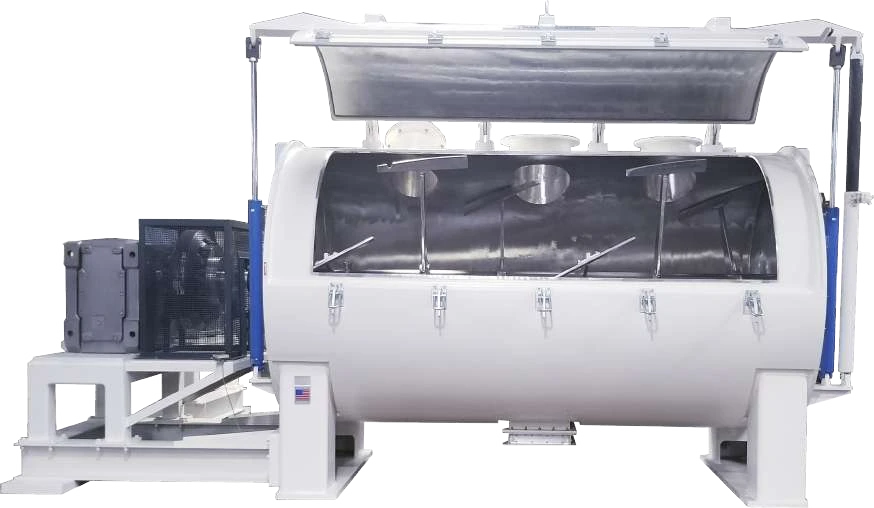
Horizontal Cooling Mixers
These mixers feature long paddle arms that move material against jacketed vessel walls for uniform exposure to cooling surfaces. Large discharge openings and optional slide gate valves or flapper assemblies allow precise control over material flow, reducing downtime between batches.
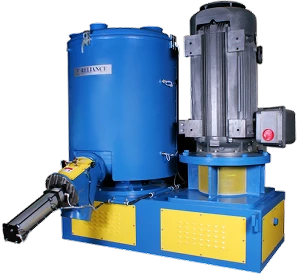
Vertical Cooling Mixers
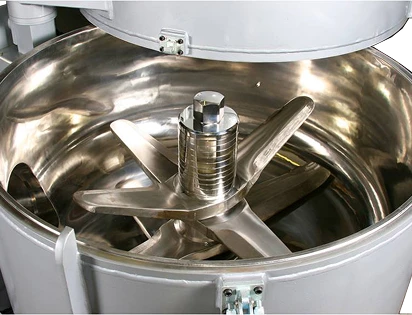
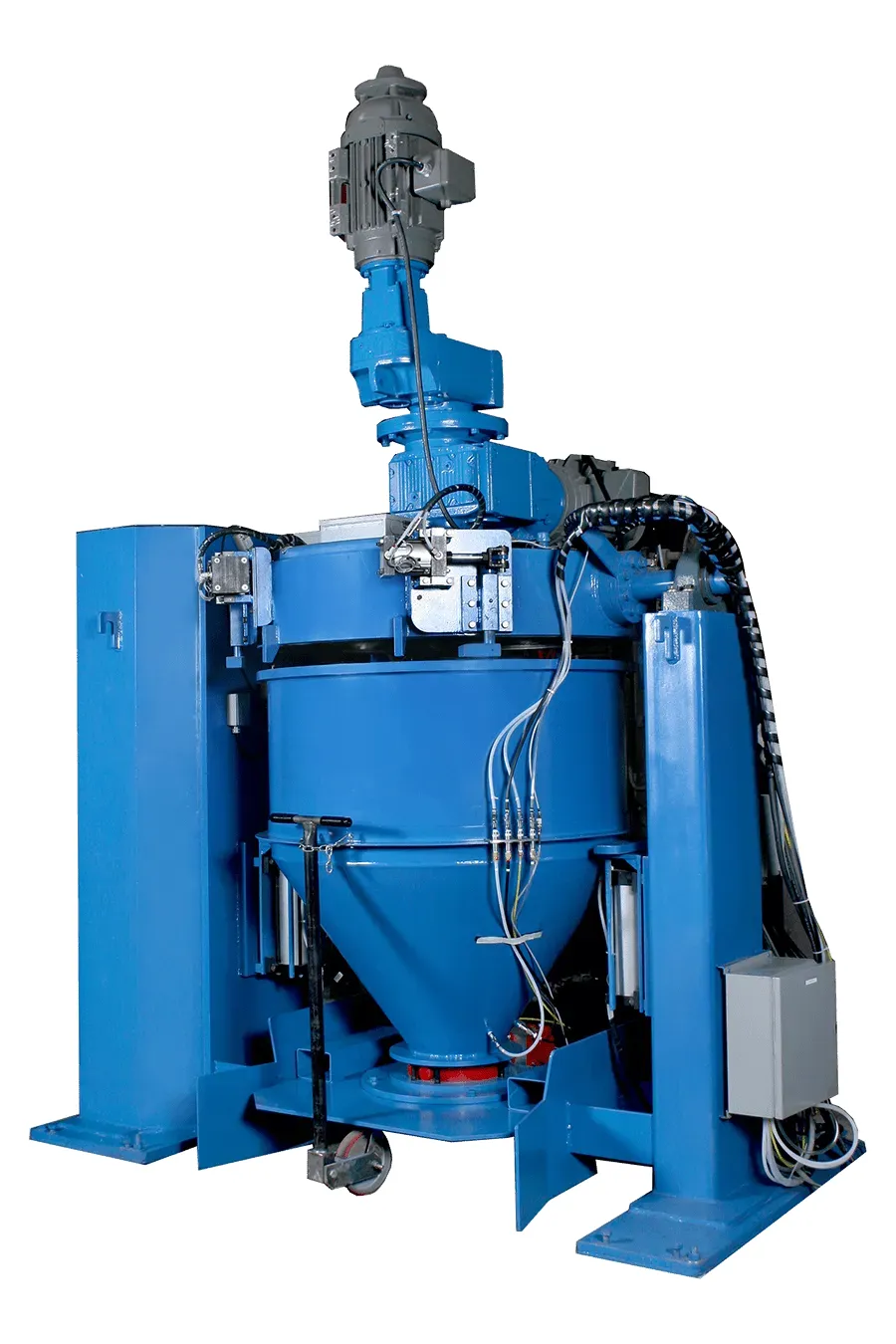
Vertical mixers move material along the vessel bottom while jackets cool both the top and bottom surfaces. Additional features, such as cooling cones, increase surface contact and accelerate heat transfer. Pneumatically operated discharge plugs ensure controlled, efficient emptying of the vessel.
Both designs are built for durability, ease of maintenance, and reliable temperature control, making them suitable for a variety of production requirements.
Key Components Driving Mixer Performance
The performance of high-performance cooling mixers depends on several critical components:
Mixer Tools
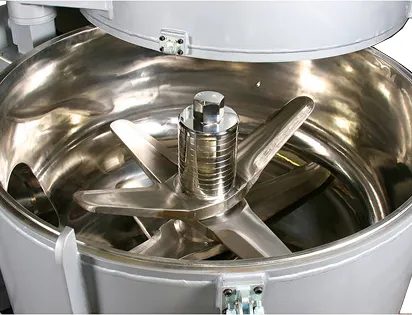
Internal tools continuously move material, maximizing exposure to the cooling jackets. Horizontal paddles cover the full arm length, while vertical tools move along the vessel bottom for even cooling. High-quality surface finishes extend tool life and maintain consistent mixing across batches.
Mixer Jackets
The Horizontal and Vertical Jacket of Cooling Mixer plays a vital role in heat management. Flow bars inside the jackets create turbulent water movement, enhancing cooling efficiency. Strategic coverage ensures rapid and even heat removal, preserving material quality.
Discharge Systems
Efficient discharge systems minimize downtime. Large openings, slide gates, or flapper assemblies allow fast and complete removal of materials, keeping production cycles on schedule.
Tips for Selecting the Right Cooling Mixer
Choosing the right cooling mixer can significantly impact product quality and production efficiency:
- Consider Your Material Type
Different materials transfer heat differently. For highly viscous or heat-sensitive substances, ensure the mixer provides uniform cooling across all batches. - Choose the Right Mixer Configuration
- Horizontal Mixers: Ideal for large batches with long paddle arms for even movement
- Vertical Mixers: Suitable for smaller batches or materials requiring intensive bottom-to-top cooling
- Evaluate Cooling Jacket Design
Check that the mixer jackets provide sufficient surface contact and turbulent flow for rapid heat removal. Features like cooling cones or flow bars can enhance performance. - Check Discharge Efficiency
Mixers with efficient discharge systems (slide gates, flapper assemblies, or pneumatically operated plugs) reduce downtime and keep production cycles on schedule. - Maintenance and Durability
Look for easy-to-clean surfaces, high-quality coatings, and robust construction to minimize maintenance and ensure long-term reliability. - Scalability and Flexibility
Consider whether the mixer can handle increasing batch sizes or changing material requirements in the future. Flexibility can save time and costs over the long term.
Benefits of High-Performance Cooling Mixers
Using cooling mixers provides several advantages:
- Rapid and uniform cooling of temperature-sensitive materials
- Consistent batch-to-batch quality
- Reduced cycle times and increased throughput
- Low maintenance and long-lasting operation
By combining well-designed jackets, optimized mixing tools, and efficient discharge systems, these mixers allow manufacturers to handle complex materials reliably and efficiently.
Choosing the Right Solution
Selecting the appropriate cooling mixer depends on your production needs, batch sizes, and material properties. Horizontal and vertical designs each offer unique advantages, and understanding how they interact with your materials can optimize both product quality and operational efficiency. For manufacturers looking for reliable solutions, high-performance cooling mixers, including Reliance Cooling Mixers and Reliance Rebuilt Mixers in Texas, are proven options for maintaining consistent results while improving productivity.
Conclusion
Effective temperature management is critical in modern industrial production. High-performance cooling mixers provide the precision, efficiency, and reliability required to handle heat-sensitive materials successfully. By selecting the right design and leveraging optimized components, manufacturers can reduce waste, maintain quality, and accelerate production cycles.
For more details on high-performance cooling mixers and specifications, visit the Reliance Cooling Mixers page.

























Sign in to leave a comment.