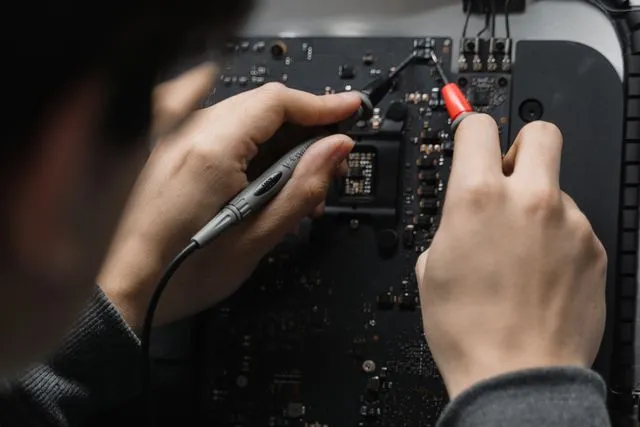

Electronic engineering services play an important role in developing products that need to deliver dependable performance throughout their operating life. From circuit design and component selection to manufacturability reviews and production support, engineering decisions made early in the development process can have a significant impact on product quality, reliability, and cost. For manufacturers working with complex electronics or demanding operating conditions, a practical engineering approach can help identify potential issues before they become expensive production problems.
High-reliability electronic engineering begins with an understanding of how a product will be manufactured, used, maintained, and tested. Rather than treating engineering and manufacturing as separate stages, an integrated approach considers production requirements from the beginning. This helps create designs that are not only technically sound but also practical to assemble, test, maintain, and scale.
Designing Electronics With Manufacturing in Mind
Design for manufacturability is a fundamental part of effective electronic engineering. A circuit may perform as intended during development, but that does not necessarily mean it will be easy or economical to produce consistently. Component availability, board layout, assembly requirements, tolerances, material selection, and testing requirements can all influence the success of a final product.
By considering these factors early, engineers can identify potential manufacturing challenges before production begins. Design reviews can examine component choices, circuit architecture, board configuration, and mechanical considerations to determine whether adjustments could improve production efficiency. This proactive process can reduce unnecessary redesigns, minimize rework, and create a smoother transition from development to manufacturing.
Manufacturability also becomes increasingly important as production volumes increase. A design that works for a small prototype run may require additional refinement before it can support consistent larger-scale manufacturing. Electronic engineering services can help bridge this gap by evaluating how the product will behave not only as an individual prototype but also as a repeatable manufactured system.
Building Reliability Into the Design
Reliability should be considered throughout the engineering process rather than treated as a final inspection step. Electronic products may be exposed to vibration, shock, temperature changes, moisture, electrical stress, or continuous operation depending on where and how they are used. These conditions can affect components, connections, materials, and overall system performance.
A comprehensive engineering process evaluates potential failure points and considers how environmental conditions may influence the product over time. Engineers can assess component selection, circuit integrity, thermal considerations, mechanical interfaces, and other factors that may affect long-term operation.
This approach is particularly important for equipment used in demanding industries. When electronics are installed in aerospace, defense, energy, industrial, or satellite applications, unexpected failures can have serious consequences. Designing with the intended operating environment in mind helps manufacturers develop products that are better prepared for the conditions they are expected to encounter.
Component Selection and Circuit Integrity
Selecting electronic components involves more than identifying parts that meet basic electrical specifications. Engineers must also consider factors such as availability, lifecycle expectations, operating conditions, compatibility, quality, and manufacturing requirements.
A component that is suitable from a technical perspective may introduce challenges if it becomes difficult to source or is poorly suited to the production environment. Early engineering analysis can help identify these concerns and support more practical component decisions.
Circuit integrity is equally important. Proper layout, electrical connections, signal considerations, power distribution, and thermal performance can all influence how reliably an electronic system operates. Reviewing these elements during development can help uncover issues that might otherwise appear later during testing or production.
The objective is to create an electronic design that performs consistently while also supporting efficient manufacturing and long-term product support.
Engineering for Demanding Environments
Some electronic products must operate reliably under conditions that would challenge conventional equipment. Industrial machinery may experience constant vibration, while aerospace and defense electronics can encounter significant temperature variations and mechanical stress. Energy applications may require equipment to remain operational for extended periods, while satellite systems must be designed around exceptionally demanding reliability expectations.
Electronic engineering services can address these requirements by evaluating environmental and operational factors during the design process. Engineers can consider how materials, components, circuit configurations, and mechanical structures will respond to the conditions associated with the intended application.
This environmental perspective can also influence maintenance and service planning. A reliable product should not only function when new but should be designed with its expected lifecycle in mind. Considering service requirements, component accessibility, potential failure modes, and long-term support can contribute to a more sustainable product strategy.
Connecting Engineering With Manufacturing
One of the most valuable aspects of a comprehensive engineering approach is the connection between product development and manufacturing. When engineers and manufacturing teams communicate throughout the development process, potential production challenges can be identified much earlier.
This collaboration can help ensure that designs reflect actual assembly capabilities and production requirements. It can also provide opportunities to improve material usage, simplify assembly, refine testing procedures, and reduce unnecessary manufacturing complexity.
The result is a more coordinated transition from engineering development into production. Instead of discovering manufacturability problems after a product has already reached the production stage, manufacturers can address many of these concerns during design reviews and prototyping.
Supporting Prototyping and Product Validation
Prototyping provides an important opportunity to evaluate whether an electronic design performs as expected outside of the theoretical development environment. Physical prototypes can reveal issues involving assembly, component placement, thermal behavior, mechanical integration, or overall system performance.
Electronic engineering services can support this stage by helping manufacturers evaluate prototype results and identify areas requiring refinement. Testing and validation can provide valuable feedback that informs subsequent design changes before a product enters full production.
This iterative approach allows engineering teams to learn from each development stage. Rather than viewing a prototype as simply an early version of the finished product, it can serve as an important source of information for improving reliability, manufacturability, and performance.
Improving Quality and Cost Efficiency
Quality and cost efficiency are closely connected during electronic product development. A design that requires frequent rework, complicated assembly, or excessive material usage can increase manufacturing expenses while creating additional opportunities for quality problems.
Early engineering analysis can help address these issues before they become embedded in the production process. Reviewing materials, components, assembly methods, and manufacturing requirements can identify opportunities to simplify the design without compromising performance.
Consistent production also depends on documented processes, controlled procedures, skilled personnel, and effective quality management. When engineering decisions are aligned with these production controls, manufacturers can work toward more repeatable results across production runs.
From Concept to Production
Effective electronic engineering can support a product throughout its development lifecycle, beginning with an initial concept and continuing through design, prototyping, validation, manufacturing refinement, and production. Each stage provides an opportunity to identify improvements and reduce potential risks.
Early concept evaluation can establish technical and manufacturing requirements. Detailed engineering can translate those requirements into a functional design. Prototyping and testing can then provide practical feedback, while manufacturing reviews help prepare the product for consistent production.
Maintaining communication across these stages helps prevent the development process from becoming fragmented. It also makes it easier to incorporate new technologies, respond to manufacturing challenges, and make informed decisions as the product evolves.
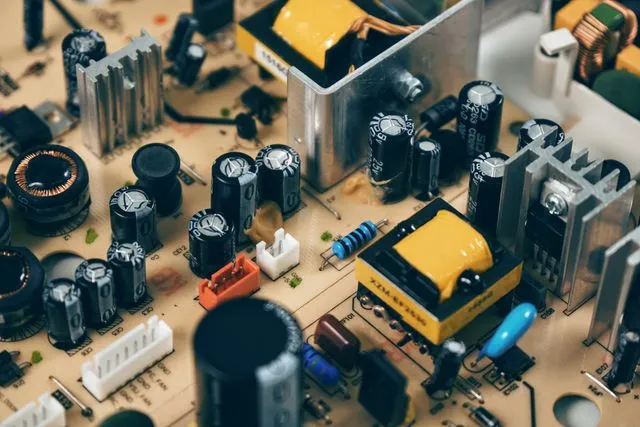
A Practical Approach to High-Reliability Electronics
Reliable electronic products are built through careful decisions made throughout the development process. Electronic engineering services provide manufacturers with the technical expertise needed to evaluate design performance, manufacturability, component selection, environmental requirements, testing, and production considerations as part of a connected process.
By bringing engineering and manufacturing requirements together from the beginning, manufacturers can reduce avoidable design issues, improve production consistency, and create products better suited to their intended environments. Whether an electronic system must operate in a controlled facility or withstand demanding industrial, aerospace, defense, energy, or satellite conditions, reliability depends on more than functionality alone.
A thoughtful engineering process considers how the product will be built, tested, used, maintained, and supported over time. This combination of precision, manufacturability, performance, and lifecycle thinking provides a strong foundation for electronic products designed to deliver dependable results from the first production run through years of operation.
























Sign in to leave a comment.