
Introduction
In today’s fast-paced logistics, distribution, and manufacturing environments, maximizing storage capacity while maintaining accessibility, efficiency, and safety is essential. Racking systems have become the backbone of modern warehouses and industrial facilities, providing a structured solution for organizing inventory, materials, and equipment. These systems not only help optimize vertical and horizontal space but also improve operational flow, reduce handling time, and enhance workplace safety. From small storage rooms to expansive distribution centers, racking systems offer scalable solutions that can adapt to various products, load sizes, and operational requirements. Choosing the right racking system involves understanding its types, benefits, design considerations, and the latest innovations that can transform storage operations into efficient, cost-effective, and organized processes.
What Is a Racking System?
A racking system is a structural framework designed to store goods in a vertical or horizontal arrangement to maximize warehouse space and streamline material handling. These systems can hold pallets, crates, cartons, or other materials while allowing easy access for retrieval. Unlike simple shelving, racking systems are engineered to handle heavier loads, accommodate industrial equipment such as forklifts, and meet safety standards for high-density storage. Each system is typically modular, enabling warehouses to scale or reconfigure their storage layouts as inventory volumes and operational needs change. Modern racking systems also integrate with warehouse management systems (WMS) and automated storage and retrieval systems (AS/RS) to enhance inventory tracking, reduce manual labor, and maintain optimal operational efficiency.
Types of Racking Systems
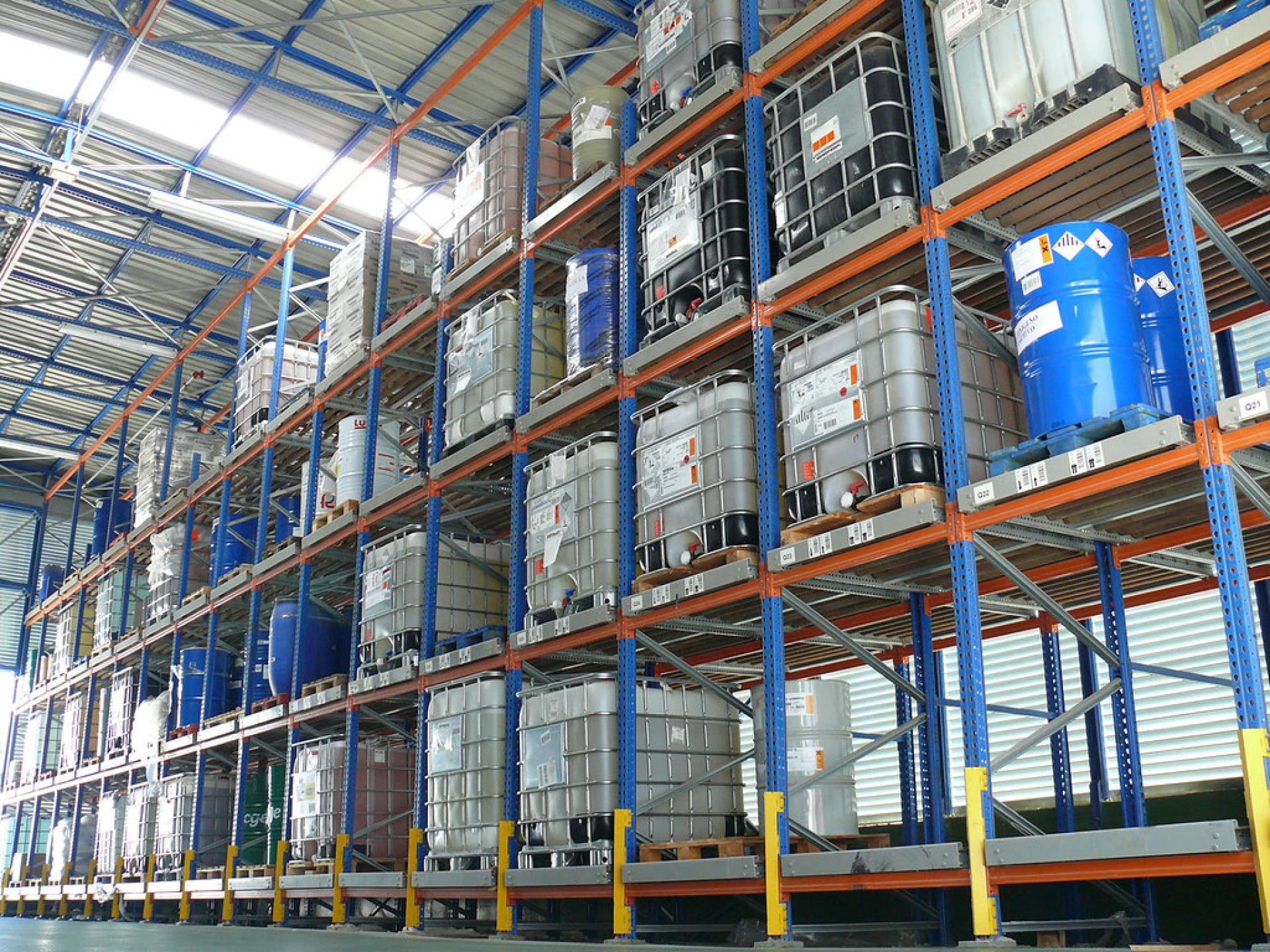
Racking systems come in various configurations designed to meet specific storage and operational needs. Selective pallet racks are the most common type, offering direct access to each pallet and flexibility for different products. They are ideal for warehouses with a wide variety of SKUs or frequent inventory turnover. Drive-in and drive-through racks maximize space utilization by allowing forklifts to enter the racking lanes, which is efficient for storing large quantities of similar products. Push-back racks use a system of carts or rollers that allow multiple pallets to be stored in depth, enabling last-in, first-out (LIFO) operations. Cantilever racks are ideal for long, bulky items like pipes, timber, or sheets of metal. Mezzanine racking systems provide an additional elevated storage level, effectively doubling usable warehouse space. Choosing the right type depends on inventory characteristics, turnover rate, warehouse layout, and accessibility requirements.
Benefits of Implementing Racking Systems
Racking systems offer numerous benefits that make them an essential part of modern warehouse design. Space optimization is the most obvious benefit; racking systems allow warehouses to store more items within the same footprint by utilizing vertical space. This reduces the need for additional storage facilities and lowers real estate costs. Operational efficiency improves because inventory is organized and accessible, reducing retrieval time and minimizing manual handling. Safety is enhanced through proper load distribution and structural support, preventing accidents caused by unstable or stacked materials. Additionally, racking systems reduce product damage by providing dedicated, stable storage spaces. They also enable scalability, allowing warehouses to expand storage capacity quickly as business needs grow. Finally, well-designed racking systems facilitate integration with automation technologies, such as conveyors, AS/RS, and robotic pickers, further increasing productivity and efficiency.
Applications Across Industries
Racking systems are used across diverse industries due to their adaptability and versatility. In warehousing and distribution, they streamline the storage and retrieval of pallets, cartons, and bulk goods. Retail distribution centers rely on selective and drive-in racks to manage high SKU counts efficiently. Manufacturing facilities use cantilever and push-back racks to store raw materials and components in an organized manner. Cold storage and refrigerated warehouses utilize specialized racking systems made from corrosion-resistant materials to withstand low temperatures and moisture. Automotive and heavy machinery industries benefit from cantilever and pallet racks to store long or irregularly shaped items safely. Additionally, e-commerce fulfillment centers employ racking systems integrated with automation for fast, accurate order picking and shipping, allowing businesses to meet the growing demands of same-day and next-day delivery.
Design Considerations for Racking Systems
Designing an effective racking system requires careful planning to balance storage density, accessibility, and safety. Load capacity is a critical consideration; racks must be engineered to support the weight of inventory without risk of collapse. Aisle width affects both space utilization and forklift maneuverability, while rack height impacts vertical storage and accessibility. Warehouse layouts must account for workflow patterns, including inbound receiving, order picking, and outbound shipping. Seismic and environmental conditions may also influence rack selection, particularly in regions prone to earthquakes or extreme humidity. Materials used for racking—such as steel, aluminum, or reinforced alloys—should match operational demands, including exposure to moisture, temperature fluctuations, or chemical storage. Engaging with experienced racking system providers ensures that every element—from load-bearing capacities to layout planning—is optimized for long-term efficiency, safety, and operational flexibility.
Safety Measures in Racking Systems
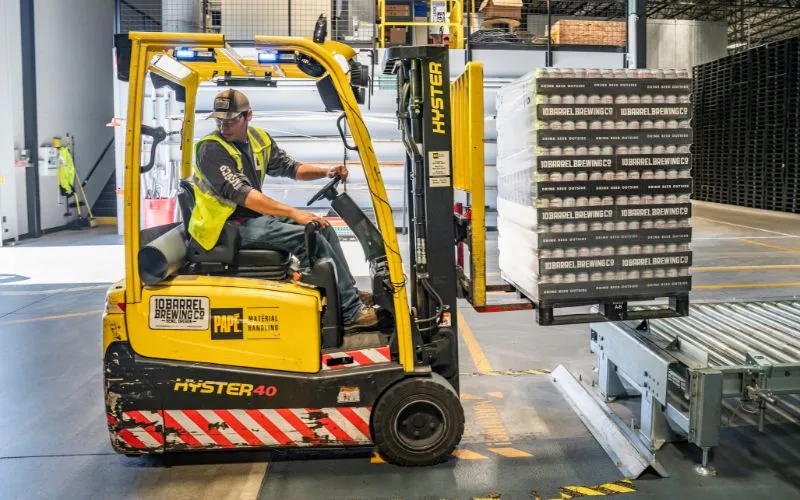
While racking systems enhance efficiency and organization, safety is paramount. Overloaded or improperly installed racks can lead to structural failure, posing risks to personnel and inventory. Safety measures include using upright protectors, load signs, and beam locks, ensuring correct installation, and adhering to manufacturer weight specifications. Regular inspections for damage, wear, or corrosion are essential to prevent accidents. Adequate employee training on loading practices, forklift operation, and rack maintenance is critical to maintaining a safe environment. Many warehouses also incorporate rack barriers, guardrails, and floor markings to prevent collisions and minimize operational risks. By prioritizing safety alongside operational efficiency, businesses can maximize the benefits of racking systems while protecting both personnel and inventory.
Integrating Racking Systems with Automation
The modern warehouse increasingly relies on automation to meet high-demand operations efficiently. Racking systems integrate seamlessly with automated solutions such as conveyors, AS/RS, robotic picking systems, and warehouse management software. Automated storage and retrieval systems (AS/RS) work with pallet racks or shelving to transport items without human intervention, reducing labor costs and speeding up order fulfillment. Conveyor systems link racks to packing or shipping stations, ensuring smooth inventory flow. Smart sensors and IoT devices monitor stock levels, detect damaged racks, and provide real-time data on warehouse operations. This combination of racking systems and automation technologies creates highly efficient, data-driven, and flexible warehouses capable of handling high volumes while minimizing errors and operational downtime.
Future of Racking Systems
The future of racking systems is closely tied to automation, robotics, and smart warehouse technologies. Advances in modular design, lightweight but durable materials, and digital tracking systems are enabling warehouses to store more goods in less space while maintaining efficiency. AI-powered inventory management and predictive analytics are helping facilities optimize rack usage, identify inefficiencies, and anticipate demand fluctuations. Integration with autonomous mobile robots (AMRs) and automated cranes is further enhancing the speed and accuracy of storage and retrieval operations. Sustainability is also becoming a priority, with racking systems being designed for energy efficiency, long-term durability, and recyclability. As warehouses continue to evolve to meet global supply chain demands, racking systems will remain a cornerstone of operational efficiency, combining space optimization, automation, and safety.
Conclusion
Racking systems are an essential component of modern storage and material handling operations, providing a scalable, efficient, and safe solution for warehouses, manufacturing facilities, and distribution centers. From selective pallet racks to cantilever and push-back systems, these structures optimize vertical and horizontal space, streamline workflows, and enhance inventory accuracy. Proper design, safety considerations, and integration with automation technologies maximize operational efficiency while minimizing labor costs and risks. As businesses face increasing pressure to meet faster delivery timelines, accommodate growing inventory, and maintain workplace safety, racking systems continue to evolve, offering innovative, flexible, and reliable storage solutions. Investing in the right racking system ensures that facilities can operate efficiently today while remaining adaptable to the challenges of tomorrow’s logistics landscape.




















Sign in to leave a comment.