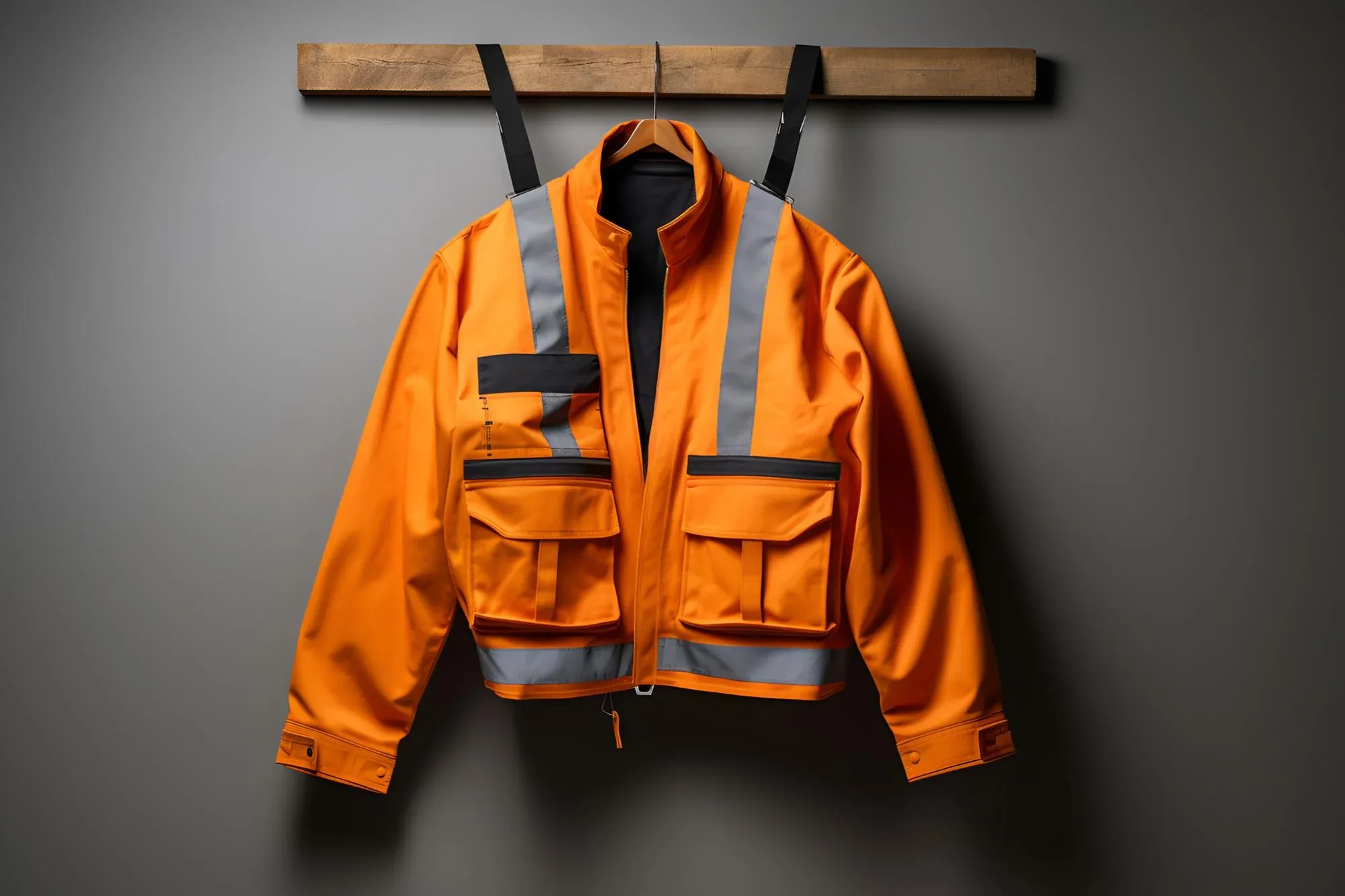

Night work changes the way hazards are seen. Road crews, warehouse teams, transport workers, maintenance staff and construction crews may operate around headlights, mobile plant, loading areas and uneven lighting. Suitable high visibility work clothes can help workers stand out, but garments must be selected for the task, site rules and conditions in which they will actually be worn.
A bright daytime shirt is not automatically the right choice for every low-light shift. Night teams often need reflective features that respond to vehicle lights or site lighting, together with practical layers for cold, wind or rain. Managers should view clothing as a coordinated system rather than ordering one garment for every employee and every season.
Identify the Night-Shift Risks
The first step is to understand where workers may be difficult to see. Lighting can vary dramatically across a worksite. A loading dock may be well lit in one area and shadowed in another, while road crews may move between direct headlights and darkness.
A night-shift clothing assessment should consider:
- Vehicle and machinery movement
- The direction from which workers need to be seen
- Permanent, temporary and vehicle-based lighting
- Weather conditions and seasonal temperature changes
- Tasks that may cover reflective areas with equipment or tools
- The need for jackets, rainwear or additional layers
- Site-specific garment and colour requirements
Supervisors should also consider how workers move through the site. A garment may be visible from the front but partly hidden from another angle by a harness, backpack, vest or outer layer.
Understand Reflective Visibility
Reflective tape is designed to return light toward its source, making it particularly useful when headlights, torches or work lights are present. The pattern, placement and condition of the tape all matter.
Keep Reflective Areas Uncovered
A suitable shirt cannot perform as intended when reflective sections are covered by a non-reflective jacket or heavily obscured by equipment. Outer layers should be selected as carefully as base garments, especially during winter and wet weather.
Inspect Garments Regularly
Tape can become damaged, dirty or worn through repeated use and washing. Supervisors should encourage workers to report garments that are faded, torn or heavily stained. Keeping spare clothing available makes timely replacement easier and prevents workers from relying on badly worn items.
Choose Garments for the Shift
Different roles need different clothing. A visitor entering a controlled area briefly may use a vest, while a worker completing a long physical shift may need a breathable shirt or polo. Cold-storage staff, road crews and outdoor maintenance teams may require insulated or weather-resistant layers.
When selecting hi vis clothing, consider a combination of:
- Long- or short-sleeve shirts
- Breathable polos for active work
- Reflective vests for approved short-term use
- Hoodies or jumpers for cool conditions
- Jackets for wind and cold
- Waterproof outerwear for rain
- Taped pants or overalls where greater coverage is needed
The aim is to maintain suitable visibility while allowing workers to dress for the environment.
Balance Warmth With Movement
Night shifts can become cold, particularly during early morning hours. Heavy layers may keep workers warm but can restrict movement or cause overheating during physical tasks. A layered system is usually more flexible.
Build a Layering System
Start with a comfortable work shirt, add a mid-layer when temperatures fall and use a protective outer layer for wind or rain. Each visible outer garment should be appropriate for the worksite. Workers should be able to remove or add layers without creating a visibility problem.
Check Fit With All Layers
A jacket that fits over a thin shirt may be too tight over a hoodie. Trial garments in the full combination workers are expected to wear. Check shoulder movement, sleeve length, fastening, access to pockets and compatibility with other protective equipment.
Select Fabrics for Long Shifts
Comfort affects whether garments are worn correctly. Breathable fabrics can help manage heat during active tasks, while moisture control and ventilation may improve comfort over extended shifts. Durable construction is also important because night crews often work around rough surfaces, machinery and repeated washing cycles.
Buyers should review care labels before ordering. Garments that require complicated care may not suit crews that need frequent laundering and fast turnaround. Workers should be trained to follow the stated instructions because incorrect washing can affect colour, shape and reflective components.
Create a Replacement Process
Uniform management should include routine inspection and replacement. Do not wait until every garment is visibly damaged before placing another order. Keep records of approved products, sizes and issue dates, then maintain a small reserve for new starters and urgent replacements.
Managers can ask workers to inspect clothing at the beginning of a shift for:
- Damaged or peeling reflective tape
- Tears, open seams or broken fastenings
- Heavy staining or faded fabric
- Incorrect layering over visible garments
- Poor fit that affects movement
- Missing items needed for the weather
This simple habit supports a more consistent standard across the team.
Why Choose Entire Workwear?
Entire Workwear is a family-owned Ellenbrook supplier serving Perth and customers throughout Australia. Its range includes high-visibility shirts, polos, jackets, hoodies, jumpers, overalls, tees, vests and work pants, along with broader workwear and uniform categories. Night-shift teams can browse hi vis clothing online, arrange Australia-wide delivery or Perth Click & Collect, and ask about bulk orders, custom branding and embroidery for coordinated crews.
Plan for Every Hour of the Shift
Effective night-work clothing should remain practical from the start of the shift through changing temperatures, weather and lighting. By assessing visibility, reflective features, garment condition, layering and fit, employers can build a flexible clothing system that supports workers instead of relying on a single product for every situation.
























Sign in to leave a comment.