

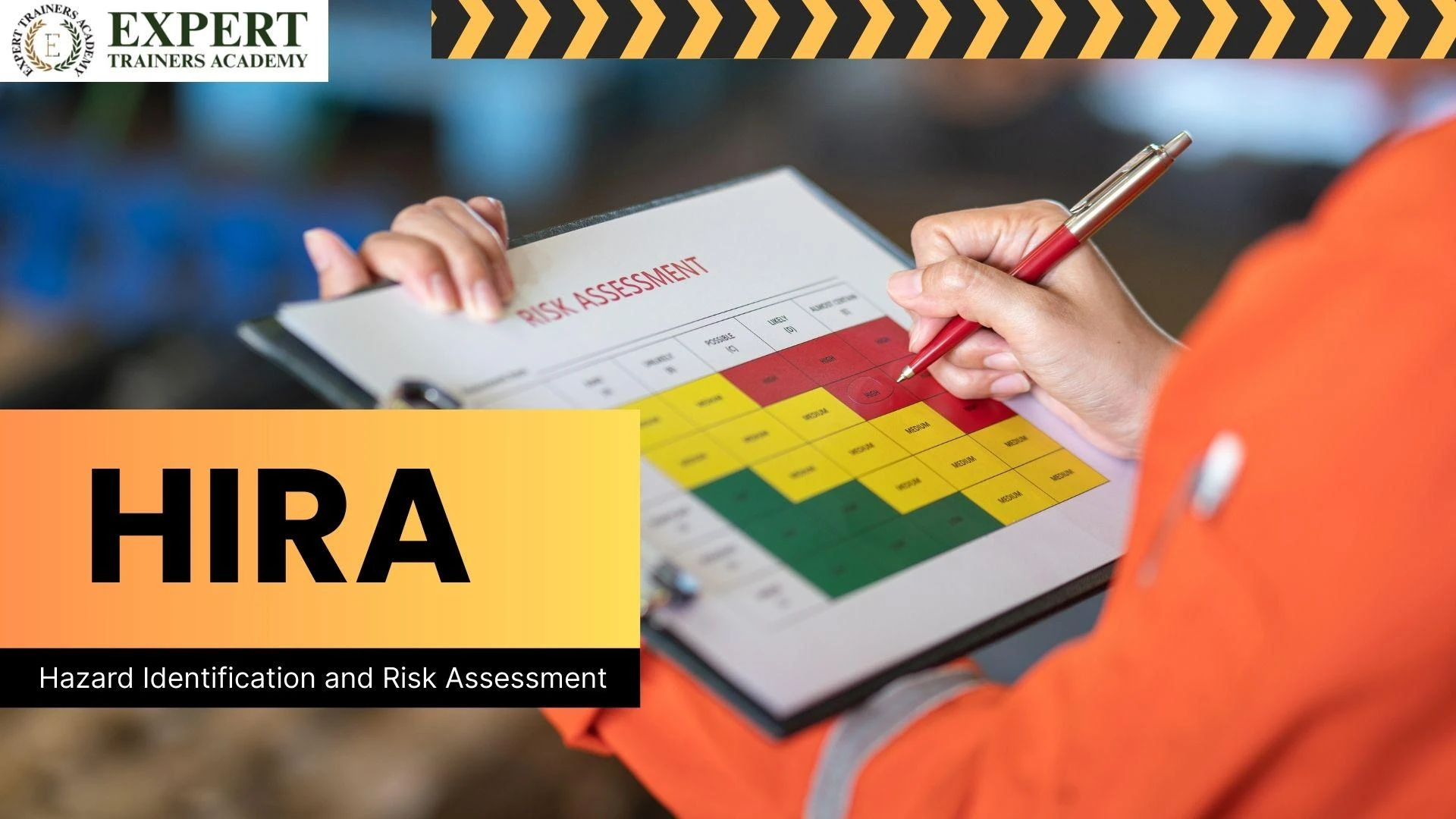
Safety is one of the most important aspects of any workplace. Whether it’s a construction site, factory, or office, identifying and managing risks helps prevent accidents and keeps everyone safe. This is where HIRA, or Hazard Identification and Risk Assessment, plays a key role.
What is HIRA?
HIRA stands for Hazard Identification and Risk Assessment.
It is a systematic process used to identify potential hazards in the workplace, assess the risks associated with them, and implement measures to control or eliminate those risks.
In simple terms, HIRA helps you find what could go wrong, how serious it could be, and what you can do to stop it.
Also read hira full form in safety
Objectives of HIRA
The main goals of HIRA are:
- To identify hazards before they cause harm
- To evaluate the level of risk associated with each hazard
- To implement control measures to minimize or eliminate risks
- To promote a safe working environment
By doing this regularly, organizations can reduce accidents, injuries, and losses.
Steps in the HIRA Process
- Identify Hazards
- Look for anything that could cause harm—such as chemicals, machinery, electricity, or unsafe behavior.
- Assess Risks
- Analyze how likely it is for the hazard to cause harm and how severe the outcome could be.
- Control Risks
- Apply control measures to reduce or eliminate the hazard. This may include engineering controls, safety training, or protective equipment.
- Review and Monitor
- Regularly check if the control measures are effective and update the assessment whenever there are changes in the workplace.
Importance of HIRA in Workplace Safety
HIRA is not just a legal requirement in many industries—it’s also a practical way to protect employees, equipment, and reputation.
Some key benefits include:
- Reducing workplace accidents
- Ensuring compliance with safety regulations
- Improving productivity and employee morale
- Building a strong safety culture
Example of HIRA
For example, in a construction site:
- Hazard: Working at height
- Risk: Falling and getting injured
- Control: Use of safety harness, guardrails, and proper supervision
By applying HIRA, such risks can be identified early and managed effectively.
Conclusion
HIRA (Hazard Identification and Risk Assessment) is an essential tool for maintaining workplace safety. It helps organizations identify hazards, assess potential risks, and implement preventive measures before an incident occurs.
To build a safe and productive workplace, every company should make HIRA a part of its regular safety management process.






























Sign in to leave a comment.