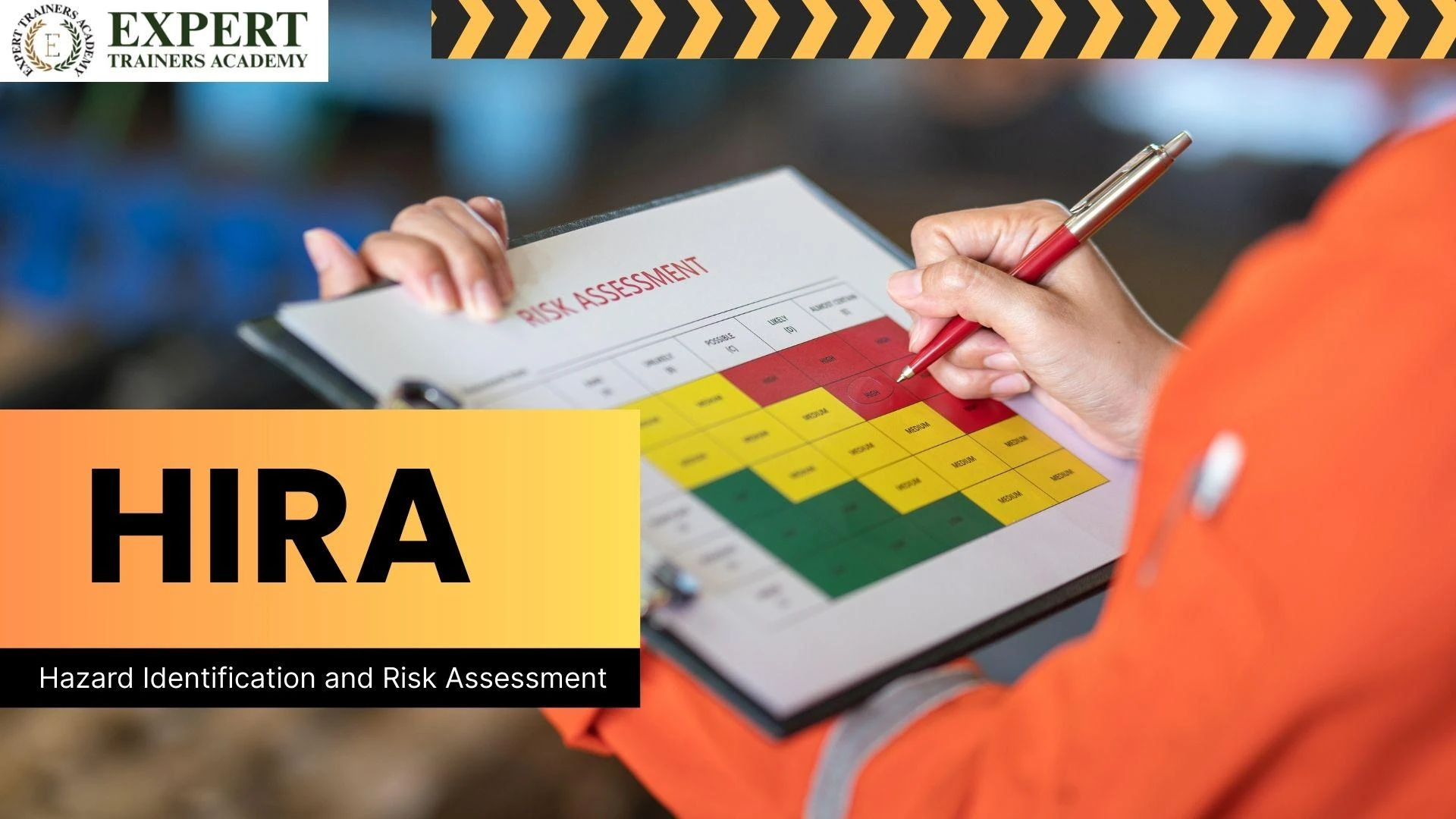

Creating a safe workplace is not just a legal requirement—it’s a responsibility every organization must prioritize. One of the most effective tools used across industries to identify and manage workplace risks is HIRA, which stands for Hazard Identification and Risk Assessment. Whether you are a safety professional, business owner, or employee, understanding HIRA can significantly improve workplace safety and prevent incidents before they occur.
What is HIRA?
HIRA (Hazard Identification and Risk Assessment) is a systematic process used to:
- Identify potential hazards in the workplace
- Analyze the risks associated with those hazards
- Evaluate the severity and likelihood of those risks
- Control them through effective safety measures
By using HIRA, companies can proactively reduce accidents, protect workers, and maintain compliance with safety regulations.
Why HIRA is Important in Workplace Safety
1. Prevents Accidents and Injuries
HIRA helps organizations detect hazards early—before they lead to accidents. When risks are known, safety teams can implement effective controls such as PPE, engineering solutions, or safe work procedures.
2. Ensures Legal Compliance
Many safety standards like ISO 45001, OSHA guidelines, and national regulations require companies to conduct a risk assessment. HIRA ensures workplaces follow these mandatory safety rules.
3. Improves Safety Culture
Regular HIRA activities encourage employees to stay alert to dangers. This builds a strong safety culture where everyone participates in keeping the workplace safe.
4. Reduces Business Costs
Fewer accidents mean fewer compensation claims, downtime, and equipment damage—saving the company money in the long run.
Safety officer duties and responsibilities begin with one mission: ensuring every worker returns home safely.
Steps Involved in the HIRA Process
1. Hazard Identification
This step involves recognizing anything that has the potential to cause harm. Hazards can be:
- Physical: slips, falls, noise, machinery
- Chemical: fumes, gases, toxic substances
- Biological: viruses, bacteria, contaminated materials
- Ergonomic: repetitive work, poor posture
- Psychosocial: stress, fatigue
2. Risk Assessment
Once hazards are identified, the next step is assessing:
- Severity: How serious the consequences could be
- Likelihood: How often the hazard may lead to an incident
A risk matrix is often used to classify risks as low, medium, or high.
3. Risk Control
After evaluating the risks, safety measures must be implemented. Controls usually follow the Hierarchy of Controls:
- Elimination – Remove the hazard completely
- Substitution – Replace with a safer option
- Engineering Controls – Isolate people from hazards
- Administrative Controls – Training, procedures, rotation
- PPE – Personal protective equipment
4. Review and Monitor
HIRA is not a one-time activity. Regular reviews ensure the controls remain effective and up-to-date.
A Safety Officer is the shield between hazards and the workforce.
Benefits of Implementing HIRA
- Helps in systematic planning of tasks
- Reduces incidents and near-misses
- Enhances employee awareness
- Supports companies in achieving safety certifications like ISO 45001
- Strengthens safety documentation for audits
Industries That Use HIRA
HIRA is widely used in:
- Manufacturing
- Construction
- Oil & Gas
- Chemical industries
- Warehousing & logistics
- Healthcare
- Electrical and mechanical operations
Basically, any industry that involves people, equipment, or processes can benefit from HIRA.
Conclusion
HIRA plays a crucial role in creating safe and efficient workplaces. By systematically identifying hazards and evaluating risks, organizations can reduce incidents and promote a strong safety culture. Whether you’re managing a large industrial unit or a small business, incorporating HIRA into your safety management system is essential for compliance, productivity, and long-term success.
























Sign in to leave a comment.