

In today’s fast-paced world, mental health is no longer a private concern — it’s a family matter. From childhood behavioral issues to adult mood disorders, mental health challenges can affect everyone in the household. Family psychiatry services and integrated mental health solutions offer a compassionate, collaborative approach to healing the individual and the family unit as a whole.
In this article, we’ll explore evidence-based mental health treatments, the role of family psychiatry, and how holistic care models provide sustainable solutions to mental well-being.
Understanding Mental Health in a Family Context
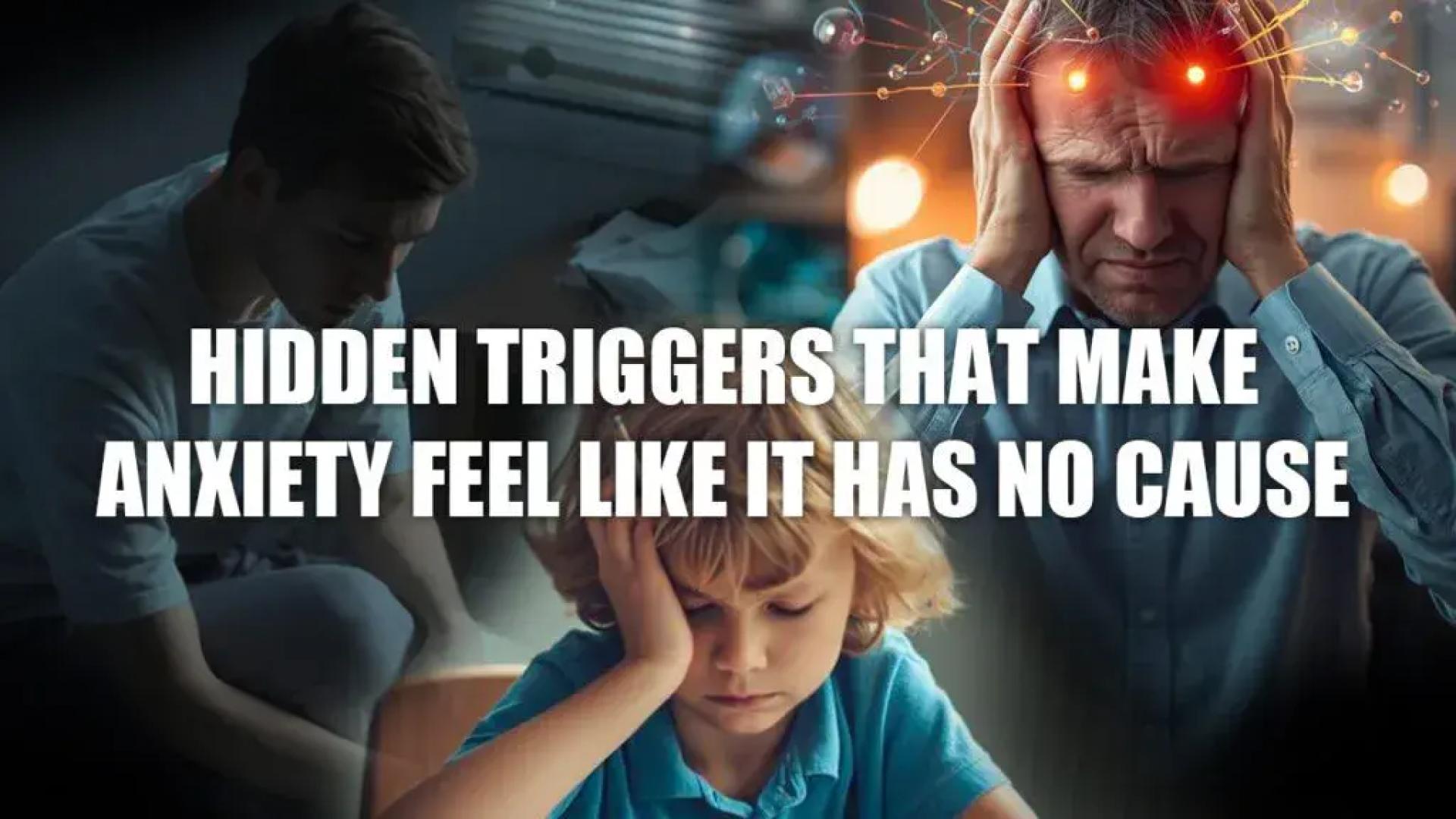
Mental health is not experienced in isolation. A child’s anxiety, a teen’s depression, or a parent’s burnout often ripple throughout the family system. Family psychiatry recognizes this interconnectedness and provides care that reflects the emotional dynamics of the entire household.
Common issues addressed by family psychiatry services include:
- Pediatric and adolescent mental health (e.g., ADHD, anxiety, autism spectrum disorders)
- Parental stress, postpartum depression, and caregiver burnout
- Mood disorders like depression and bipolar disorder
- Substance use and co-occurring disorders
- Marital and family conflict exacerbated by mental illness
By engaging the family in the therapeutic process, clinicians can not only treat the symptoms but also create a supportive environment that promotes long-term recovery.
What Are Family Psychiatry Services?
Family psychiatry is a specialized branch of mental health care that integrates medical, psychological, and social strategies to treat individuals within the context of their family system. It is led by psychiatrists, psychiatric nurse practitioners, and licensed therapists who work together to develop individualized treatment plans.
Core components of family psychiatry services include:
- Psychiatric evaluation and diagnosis
- Medication management
- Family and couples therapy
- Individual psychotherapy (CBT, DBT, EMDR, etc.)
- Psychoeducation for parents and caregivers
- Coordination with primary care and school systems
Family psychiatry differs from traditional psychiatry by taking a systemic approach — meaning that it doesn’t just treat one person in isolation but instead looks at the family dynamic and lifestyle factors that may be contributing to the problem.
Mental Health Solutions That Work
An integrated approach to mental health goes beyond medication and therapy. It encompasses lifestyle interventions, behavioral strategies, and community-based supports that foster resilience and empowerment.
Evidence-based mental health solutions include:
- Cognitive Behavioral Therapy (CBT)
- CBT helps individuals identify negative thought patterns and replace them with healthier beliefs. It is highly effective for anxiety, depression, and trauma.
- Medication Management
- Psychiatric medications such as SSRIs or mood stabilizers can offer symptom relief when used judiciously and under expert supervision. Family psychiatrists help monitor and adjust medications based on effectiveness and side effects.
- Mindfulness-Based Stress Reduction (MBSR)
- Mindfulness techniques help reduce emotional reactivity and improve focus. Programs for families can reduce stress and enhance connection.
- Parent Coaching and Training
- For families of children with behavioral or developmental challenges, parent coaching can equip caregivers with practical skills to manage behaviors and foster healthy development.
- Telepsychiatry and Virtual Therapy
- With the rise of digital health, families now have access to virtual appointments, which makes continuity of care easier, especially for those in underserved or rural areas.
Why Choose a Family-Based Approach?
Mental illness can fragment relationships, create communication barriers, and lead to feelings of isolation. A family-centered treatment model addresses these challenges by:
- Improving communication and empathy among family members
- Reducing stigma and blame
- Teaching coping strategies that can be practiced at home
- Empowering the entire family to participate in the healing process
According to the American Academy of Child and Adolescent Psychiatry, outcomes significantly improve when families are engaged in their loved one’s treatment. This includes lower relapse rates, improved medication adherence, and greater satisfaction with care.
Choosing the Right Provider
When seeking mental health solutions or family psychiatry services, consider the following:
- Is the provider board-certified in psychiatry or child and adolescent psychiatry?
- Do they offer both therapy and medication management?
- Is there a multidisciplinary team (psychiatrist, therapist, nurse practitioner)?
- Do they provide telehealth options?
- Are treatment plans personalized and family-inclusive?
It’s also beneficial to look for practices that offer trauma-informed care, culturally competent services, and a patient-centered philosophy.
Conclusion: A Path to Healing, Together
Mental wellness is a journey that no one should walk alone. With comprehensive mental health solutions and family psychiatry services, individuals and families can access compassionate care designed for lasting change. Whether you’re navigating a child’s behavioral issues, a teen’s mood disorder, or an adult’s anxiety, a family-based psychiatric model offers the tools and support to heal — together.
Investing in your family’s mental health is one of the most meaningful choices you can make. By doing so, you not only improve daily life but also build a legacy of emotional resilience for future generations.

























Sign in to leave a comment.