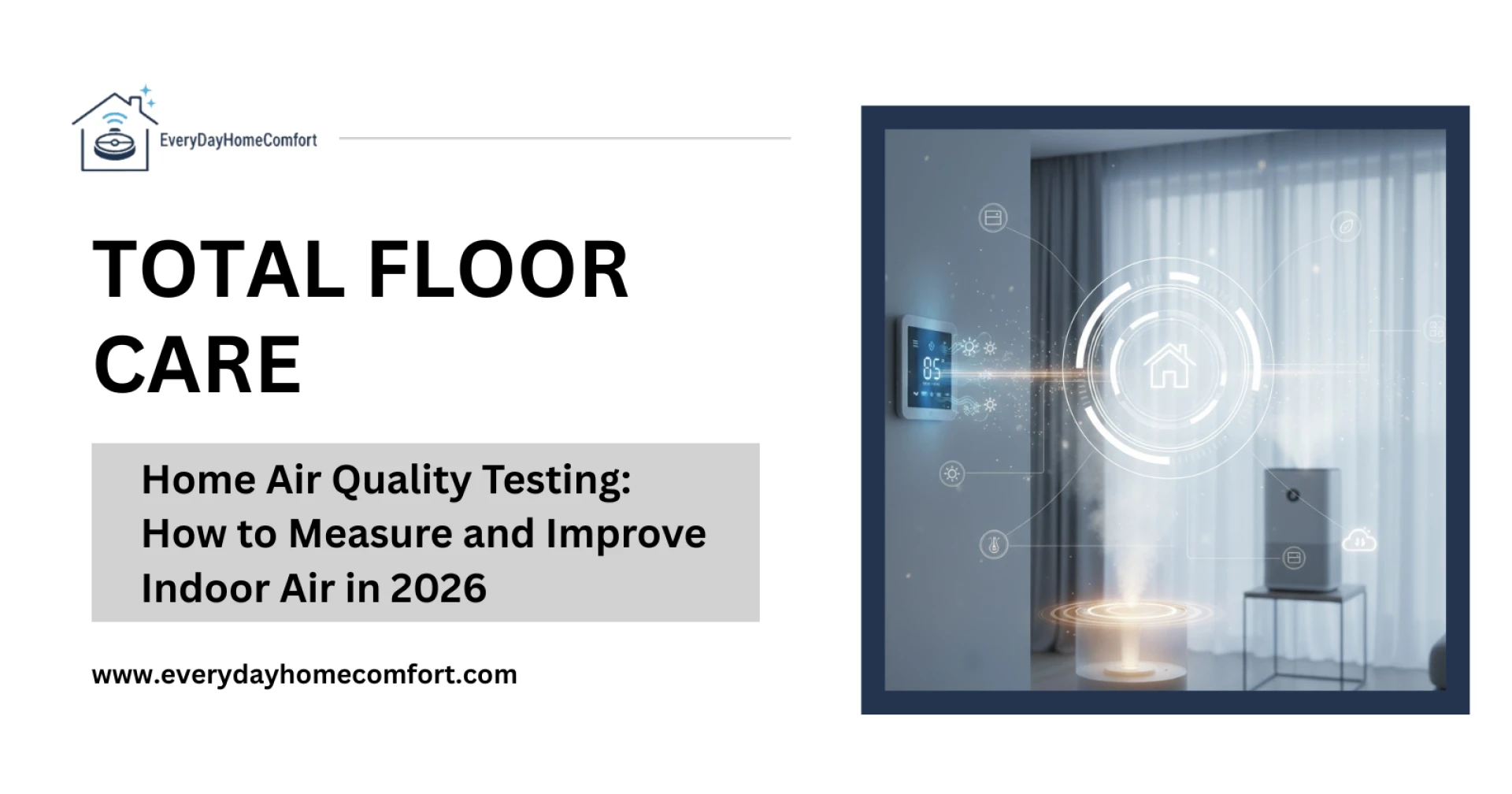

Most people assume the air inside their homes is cleaner than the air outside. Surprisingly, that is not always true. Modern homes are designed to be energy efficient and tightly sealed, which means pollutants can become trapped indoors. Over time, everyday activities such as cooking, cleaning, and even using certain furniture or paints can release particles and chemicals into the air.
This is why home air quality testing is becoming increasingly important for homeowners. By testing the air inside your home, you can identify hidden pollutants and take the right steps to create a healthier indoor environment for your family.
As we move into 2026, new smart devices and air purification technologies make it easier than ever to measure indoor air quality and improve the air you breathe.
Why Indoor Air Quality Should Be a Priority
Indoor air pollution can develop gradually and often goes unnoticed. Pollutants can build up from a variety of sources within your home. Dust, pet hair, cleaning chemicals, and mold spores can circulate through your indoor air for long periods if they are not properly filtered or ventilated.
Common indoor pollutants include:
- Fine particulate matter (PM2.5) from cooking and smoke
- Volatile organic compounds (VOCs) released from household products
- Carbon dioxide from poor ventilation
- Dust mites and pet dander
- Mold spores caused by excess moisture
When these pollutants accumulate, they may lead to health issues such as headaches, fatigue, breathing discomfort, or allergy symptoms. Conducting home air quality testing allows you to detect these contaminants early and take corrective action before they affect your health.
Signs Your Home Might Have Poor Air Quality
Some homes show clear signs that the indoor air needs improvement. Recognizing these signs can help you decide when testing is necessary.
Frequent Allergy Symptoms
If sneezing, coughing, or irritated eyes occur mostly when you are indoors, airborne allergens may be present.
Lingering Odors
Persistent smells from cooking, smoke, or cleaning chemicals often indicate poor air circulation.
Mold or Dampness
High humidity levels can encourage mold growth, which releases spores into the air.
Excess Dust
If dust appears quickly after cleaning, it may mean particles are continuously circulating in your indoor air.
When these issues appear regularly, it is a good idea to perform home air quality testing to understand what pollutants are present.
Methods for Home Air Quality Testing
Testing indoor air quality has become much easier with modern technology. Homeowners now have access to several simple tools that provide valuable insights.
Indoor Air Quality Monitors
Smart air monitors measure factors such as particulate matter, carbon dioxide, humidity, and VOC levels. These devices provide continuous readings so you can track changes throughout the day.
Mold Detection Kits
DIY mold test kits can help determine whether mold spores are present in your indoor air. Some kits allow you to send samples to laboratories for detailed analysis.
Radon Testing Kits
Radon gas can accumulate in basements or poorly ventilated spaces. Simple radon test kits help identify whether this invisible gas is present in your home.
Professional Testing Services
For more serious concerns, professional inspectors can conduct advanced home air quality testing using specialized equipment and laboratory analysis.
Using these tools gives you a clear picture of your home's air conditions and helps identify the best solutions.
Important Indoor Air Pollutants to Monitor
When testing your home’s air, several pollutants are particularly important to track.
PM2.5 Particles
These microscopic particles come from smoke, cooking fumes, and dust. Because they are extremely small, they can easily enter the lungs and affect respiratory health.
Volatile Organic Compounds (VOCs)
These chemicals are released by many household products such as paints, cleaning sprays, and furniture materials.
Carbon Dioxide
High CO₂ levels usually indicate that fresh air is not circulating properly.
Humidity Levels
Too much moisture encourages mold growth, while very dry air may irritate the skin and respiratory system.
Monitoring these factors during home air quality testing helps homeowners determine what improvements are needed.
Ways to Improve Indoor Air Quality
Once testing reveals potential problems, several steps can help improve the air inside your home.
Increase Air Circulation
Opening windows and using exhaust fans can help remove stale air and bring fresh air indoors.
Maintain Balanced Humidity
Keeping humidity between 30% and 50% helps prevent mold growth and dust mite activity.
Clean Your Home Regularly
Frequent vacuuming and dusting can reduce allergens and airborne particles.
Choose Safer Household Products
Using low-chemical or natural cleaning products can reduce indoor VOC levels.
These simple habits can make a noticeable difference in indoor air quality.
The Role of an Energy Efficient Air Purifier
One of the most effective ways to maintain clean indoor air is by using an energy efficient air purifier. These devices are designed to filter harmful particles and allergens from the air while using minimal electricity.
Modern air purifiers often include:
- True HEPA filtration that captures extremely small particles
- Activated carbon filters to remove odors and chemicals
- Smart sensors that detect pollution levels automatically
An energy efficient air purifier is especially beneficial for homes with pets, smokers, or family members who suffer from allergies or asthma. Because these systems run quietly and consume less power, they can operate throughout the day without significantly increasing energy costs.
Smart Air Quality Solutions in 2026
Technology is transforming how people manage indoor air. Many smart devices now connect to mobile apps and home automation systems, making air quality management easier than ever.
With modern systems, homeowners can:
- Monitor air pollution levels in real time
- Receive alerts when indoor air quality drops
- Automatically activate an energy efficient air purifier
- Track long-term air quality trends
These innovations allow homeowners to maintain healthier indoor spaces with minimal effort.
Building a Healthier Home
Maintaining clean indoor air requires regular monitoring and consistent improvements. Conducting home air quality testing helps you identify hidden pollutants and understand how your home environment changes over time.
By combining air testing, better ventilation, regular cleaning, and the use of an energy efficient air purifier, you can greatly reduce indoor pollution and create a safer environment for your family.
For more expert guidance, product recommendations, and helpful home improvement tips, visit https://everydayhomecomfort.com. The website provides practical resources to help homeowners build cleaner, more comfortable living spaces.






















Sign in to leave a comment.