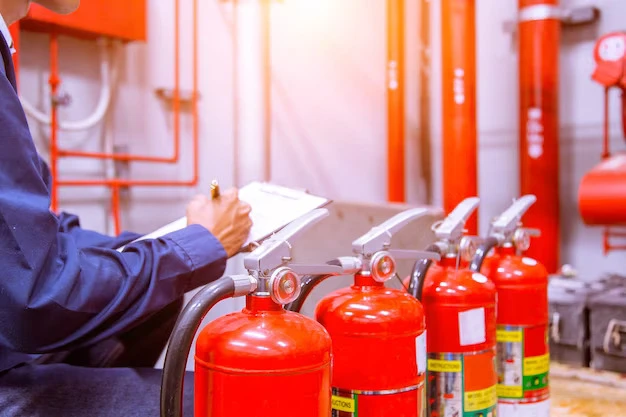

In the realm of home safety, few concerns are as paramount as fire protection. Creating a haven within your home involves not only understanding the potential risks but also taking proactive measures to mitigate them. This comprehensive guide, "Home Haven," is designed to assist you in navigating the world of fire protection devices. From understanding the different types of devices available to implementing effective fire safety strategies, this guide aims to empower you to transform your home into a secure haven.
Understanding Fire Protection Devices:
Fire Extinguishers: Fire extinguishers are fundamental tools in any home's fire protection arsenal. Understanding their classifications, such as Class A, B, C, D, and K, is crucial. Class A extinguishers are effective for ordinary combustibles, Class B for flammable liquids, Class C for electrical fires, Class D for metal fires, and Class K for kitchen fires involving fats and oils.
Smoke Detectors: Smoke detectors are early warning systems that can save lives. There are ionization and photoelectric smoke detectors, each with its strengths. Ionization detectors are more responsive to flaming fires, while photoelectric detectors excel in detecting smoldering fires. A combination of both types provides comprehensive coverage.
Carbon Monoxide Detectors: Carbon monoxide (CO) is a colorless, odorless gas that can be deadly. CO detectors are crucial for identifying elevated levels of this gas in your home. Install detectors in areas near bedrooms and on each level of your home to ensure comprehensive monitoring.
Fire Alarms: Fire alarms are integral components of a home's fire protection system. Modern systems are interconnected, meaning that if one alarm is triggered, all alarms in the home will sound. Regularly test alarms, replace batteries, and ensure they are strategically placed for maximum effectiveness.
Sprinkler Systems: While more common in commercial buildings, residential sprinkler systems are gaining popularity. These systems automatically release water when heat from a fire is detected, helping to control or extinguish the fire. Their effectiveness makes them a valuable addition to comprehensive home fire protection.
Implementing Effective Fire Safety Strategies:
Home Escape Plans: Develop and practice home escape plans with all members of your household. Identify primary and secondary escape routes, establish a meeting point, and practice the plan regularly. This ensures everyone knows what to do in the event of a fire.
Fire Safety Education: Knowledge is a powerful tool in fire protection. Educate your family on the basics of fire safety, including the proper use of fire extinguishers, the importance of early detection, and the potential hazards associated with different fire types. Regularly review and update this information.
Regular Maintenance: Regular maintenance of fire protection devices is essential for their optimal functioning. Test smoke detectors and fire alarms monthly, replace batteries at least once a year, and adhere to recommended inspection schedules for fire extinguishers and sprinkler systems.
Kitchen Safety Measures: The kitchen is a common source of home fires. Implement safety measures such as keeping flammable materials away from heat sources, using appliances with caution, and never leaving cooking unattended. A Class K fire extinguisher specifically designed for kitchen fires is a valuable addition.
Electrical Safety: Electrical malfunctions are a common cause of home fires. Regularly inspect your home's wiring, replace damaged cords, and avoid overloading outlets. Install AFCI (Arc-Fault Circuit Interrupter) outlets, which can detect and prevent electrical fires.
Conclusion:
Transforming your home into a haven involves a multifaceted approach to fire protection. This comprehensive guide, "Home Haven," has explored the various fire protection devices available, from fire protection equipment near me and smoke detectors to sprinkler systems. Additionally, implementing effective fire safety strategies, such as home escape plans, education, regular maintenance, and specific safety measures in high-risk areas like the kitchen, contributes to a robust and proactive approach to fire protection. By incorporating these measures into your daily life, you can create a safe and secure environment for yourself and your loved ones. May your home truly be a haven where the threat of fire is minimized, and peace of mind prevails.



























Sign in to leave a comment.