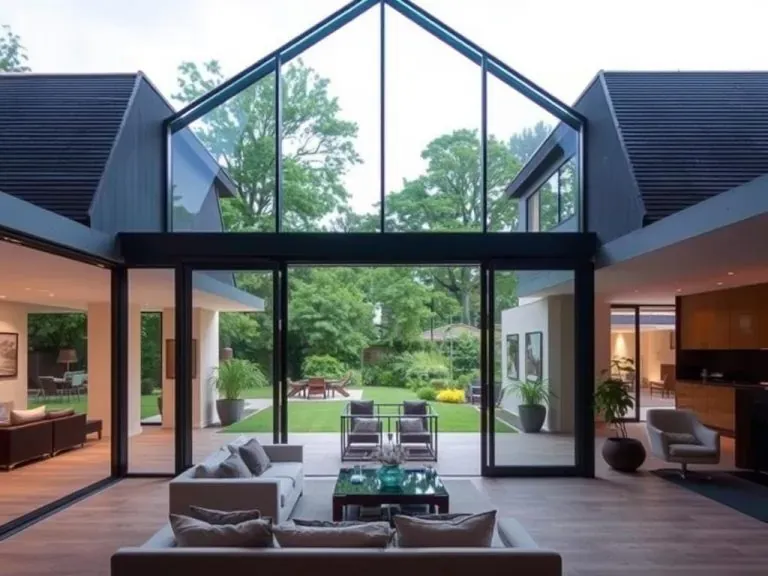

If you are planning to sell your home in 2026 or simply want to build equity without going broke, you need to be smart about where your money goes. The days of throwing cash at lavish pools or overly trendy finishes are fading fast. This year, buyers are looking for function, efficiency, and comfort over flash. They want a home that feels updated but doesn’t come with a long list of potential repairs. The good news is that you do not need a full gut renovation to see a serious return. By focusing on a few key areas, you can increase your property’s market value significantly while actually enjoying the improvements yourself in the meantime. Let’s walk through the six renovations that are genuinely worth your time and money in 2026.
Minor Kitchen Updates Over Full Gut Renovations
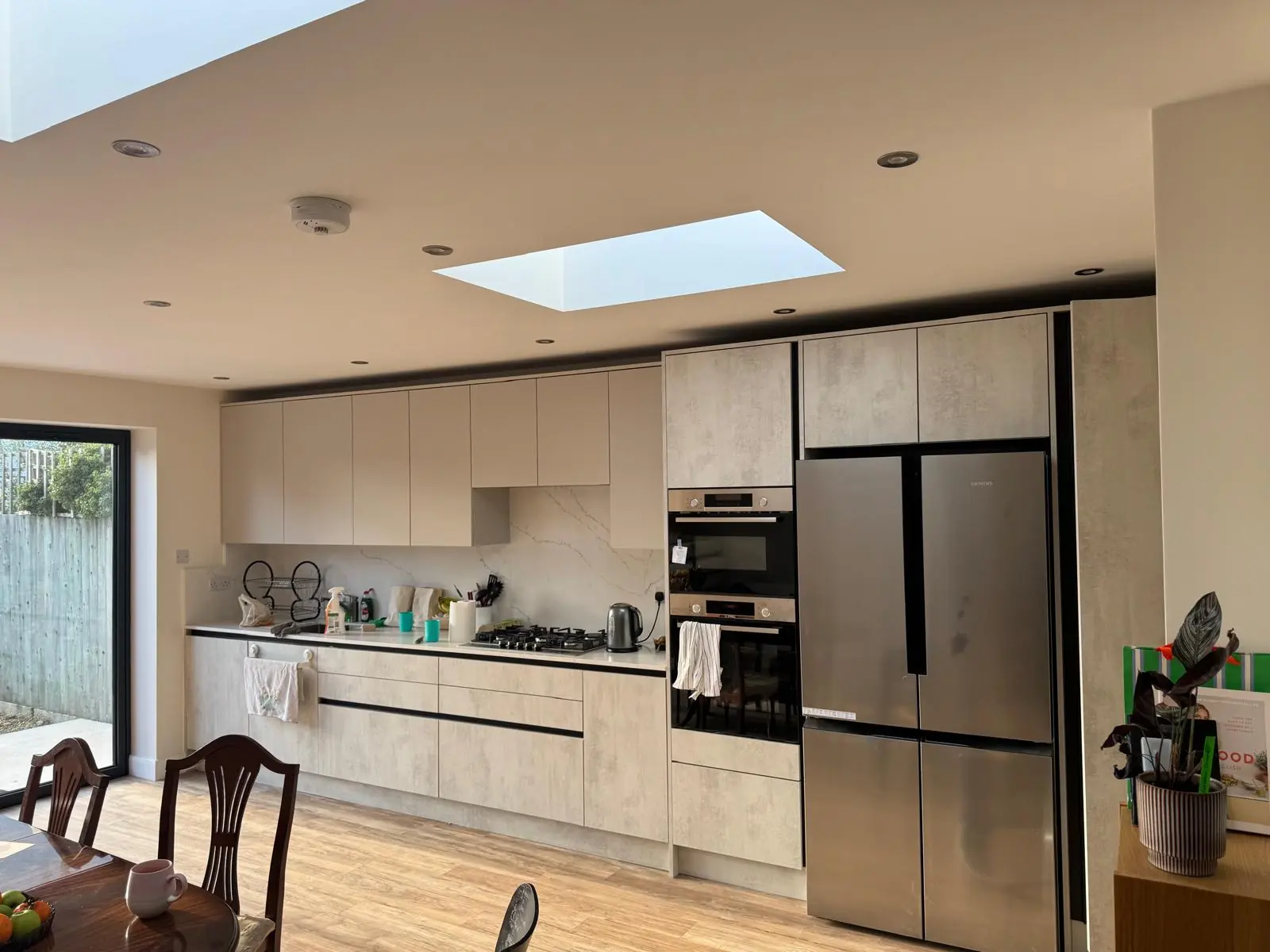
It is tempting to tear everything out and build your dream kitchen, but a full high-end remodel rarely pays for itself at sale time. In 2026, the smart play is a minor kitchen refresh. You can get a fantastic return by simply replacing old cabinet fronts, adding modern hardware, upgrading to energy-efficient appliances, and installing a fresh backsplash. Changing out worn countertops for a durable, neutral quartz also makes a huge visual impact without the cost of rare stone. Real estate data consistently shows that minor kitchen remodels recover about seventy to eighty percent of their cost, while major overhauls often fall below sixty percent. Keep your existing floor plan intact to avoid moving plumbing or gas lines, and you will have a kitchen that feels brand new to buyers without the six-figure price tag.
Bathroom Refreshes That Focus on Cleanliness and Light
Nothing turns off a potential buyer faster than a bathroom that looks grimy or worn out. The good news is you do not need a full tile-and-tub tear-out to fix it. In 2026, the most valuable bathroom improvements are all about clean lines, good lighting, and water efficiency. Swap out that bulky old vanity for a sleek floating model. Replace a dated toilet with a modern, low-flow version. Reglaze the tub instead of replacing it, which saves thousands. Add brighter, daylight-spectrum LED fixtures and a fresh coat of moisture-resistant paint in a soft white or warm gray. Heated floors have also become more affordable and are now a real selling point in cooler climates. Just do not remove the only bathtub in the house to build a massive shower, as families with young children still need a tub. A solid bathroom update typically returns nearly seventy percent of your investment.
Energy-Smart Windows, Doors, and Insulation
By 2026, homebuyers are actively checking energy efficiency ratings the same way they check square footage. Drafty old windows and a poorly sealed front door are major red flags because they signal high utility bills and discomfort. Replacing single-pane windows with double or triple-glazed, Low-E coated units can cut heating and cooling costs by up to fifteen percent every year. Similarly, a new steel or fiberglass entry door with proper insulation offers one of the highest returns of any Home improvements that add real value, often over ninety percent. Do not overlook simple attic insulation either. It is cheap, invisible, and makes an immediate difference in comfort. When you market a home with new windows and doors, you are effectively selling predictable monthly expenses, and that peace of mind is something buyers will pay a real premium for in today’s unpredictable energy market.
Converting Unused Square Footage in Attics or Basements
Adding livable square footage without building a costly addition is one of the best value moves you can make. An unfinished attic or basement is essentially dead space that your listing has to ignore. Converting it into a bedroom, home office, gym, or playroom can dramatically increase your home’s perceived size and usefulness. In 2026, remote and hybrid work are still very common, so a quiet, well-lit home office with good ventilation is particularly attractive to buyers. Make sure you add proper insulation, egress windows for safety, and at least one separate heating or cooling source. Avoid making the space feel like a dark cave by using recessed lighting and light paint colors. While finishing a basement costs less per square foot than an above-ground addition, it still recovers roughly seventy percent of its cost, and more importantly, it can push your home into a higher pricing bracket entirely.
Purposeful Curb Appeal for First Impressions
You never get a second chance at a first impression, and in 2026, curb appeal is less about high-maintenance flower beds and more about smart, sustainable choices. Buyers want to see that the exterior has been cared for without requiring constant work on their part. Replace overgrown or dying shrubs with native plants that need little watering. Give your front door a fresh coat of paint in a bold but tasteful color like charcoal blue or deep forest green. Power-wash the driveway, walkways, and siding to remove years of grime. If your budget allows, replace rotting wood steps with composite decking or add stone veneer to the lower portion of your home’s front facade. Real estate professionals consistently note that excellent curb appeal can add five to ten percent to a home’s value simply because buyers are willing to overlook minor interior flaws when they fall in love with the exterior first.
Practical Smart Home Technology
Gone are the days when a smart thermostat was considered a flashy upgrade. In 2026, integrated smart home features are starting to become an expectation, especially among younger buyers. However, you do not need a fully automated mansion to impress them. Focus on improvements that add genuine convenience and security without complexity. A video doorbell, keyless smart locks, a programmable thermostat that learns your schedule, and smart leak detectors near water heaters and washing machines are all affordable and effective. Buyers also appreciate app-controlled lighting and simple blind systems, though these are lower priority. Avoid anything with a mandatory monthly subscription or a proprietary hub that makes the system hard to use. The goal is to signal that the home is modern and move-in ready without forcing the next owner to become a tech support specialist. These small touches give you a competitive edge in a crowded market, and that edge translates directly into a higher final offer.
























Sign in to leave a comment.