
Home Podcast vs. Professional Studio: Which Produces Better Results?
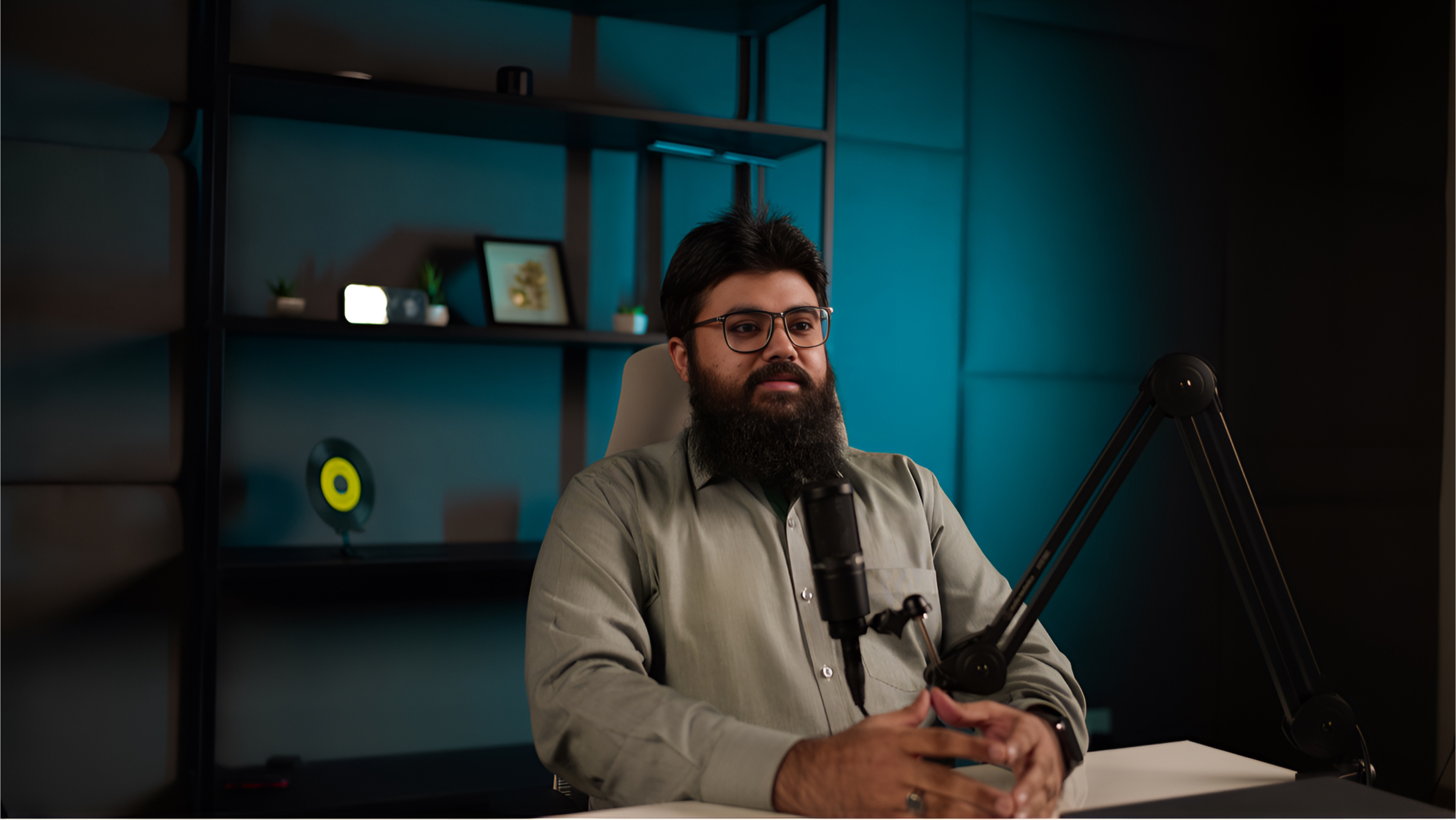
The audio landscape has shifted dramatically over the last decade. What was once a niche hobby for tech enthusiasts has exploded into a global medium that rivals radio and television. As podcasting matures, the barrier to entry has lowered, yet the bar for quality has risen significantly. This creates a central dilemma for new and seasoned creators alike: should you build a sanctuary in your spare room or book time at a professional facility?
The debate between the home podcast setup and the professional studio is not merely about budget; it is about the philosophy of creation, the value of time, and the pursuit of audio excellence. While modern technology has made it possible to record hit shows from a closet, there are distinct, often overlooked differences that separate a DIY project from a broadcast-grade production.
The Reality of the Home Studio Setup
The allure of the home studio is undeniable. It represents ultimate freedom. You can record at 2:00 AM in your pajamas, pause whenever you like, and you never have to worry about booking overages. For many, the journey begins with a USB microphone and a laptop.
However, the "home studio" covers a massive spectrum. It ranges from a smartphone propped up on a stack of books to a fully sound-treated basement with thousands of dollars in equipment. The primary advantage here is ownership. You own the gear, the space, and the schedule. Over time, the cost per episode drops significantly because you aren't paying an hourly rate to a third party.
Yet, achieving professional results at home is far more complex than simply buying a microphone. The biggest adversary of the home podcaster is the environment. Most residential rooms are acoustic nightmares; they are boxes filled with hard surfaces like drywall, windows, and hardwood floors that bounce sound waves around, creating reverb and "slapback" echo. Combatting this requires investment in sound absorption panels, bass traps, and heavy curtains. Furthermore, home environments are rarely silent. The hum of a refrigerator, the whir of an HVAC system, or traffic noise from the street can ruin a perfect take, forcing creators to spend hours in post-production trying to clean up "dirty" audio.
The Professional Studio Experience
On the other side of the spectrum lies the professional recording studio. These spaces are purpose-built for one thing: capturing pristine audio and video. When you step into a professional environment, you are paying for consistency and acoustic perfection.
A professional studio is designed by audio engineers who understand the physics of sound. The walls are not just covered in foam; they are often built with decoupled structures to isolate the room from the outside world. This creates an incredibly low "noise floor," meaning silence is truly silent. This isolation allows for a richness and intimacy in the voice that is incredibly difficult to replicate in a bedroom.
Beyond the acoustics, there is the equipment. We aren't just talking about microphones. Professional studios utilize high-end preamps, compressors, and audio interfaces that add warmth and clarity to the signal before it even hits the computer.
Perhaps the most underrated asset of a professional studio is the personnel. When you record at home, you are the host, the producer, and the engineer. You have to monitor your own levels, watch for clipping, and ensure the files are saving correctly. In a professional setting, an engineer handles the technical heavy lifting. This allows the host to focus entirely on the content and the guest, resulting in a more engaging and natural conversation. For serious creators, this mental freedom is worth the cost alone.
Comparing Audio Quality and Consistency
In the world of audio, consistency is king. Listeners can forgive a single bad episode, but they will unsubscribe if the volume levels fluctuate wildly or if the background noise is distracting.
Home setups often struggle with consistency. If you move your microphone two inches, or if your neighbor decides to mow the lawn, your sound changes. Professional studios offer a controlled variable. The microphone placement, the room tone, and the signal chain are static. This means Episode 10 sounds exactly like Episode 1, creating a cohesive brand identity.
For creators attempting to scale their production, the location becomes a critical part of the logistics. For instance, if you are looking to elevate your production value and host high-profile guests, booking a dedicated studio in Lahore provides a neutral, professional ground that ensures high-quality output without the unpredictability of a home environment. This level of reliability is what separates hobbyists from media brands.
The Visual Element: Video Podcasting
Podcasting is no longer just an audio medium. With the rise of YouTube and TikTok, video podcasts have become essential for discoverability. This adds a completely new layer of complexity to the home vs. studio debate.
Setting up a camera at home is easy; lighting it properly is an art form. A professional studio often comes equipped with a set design that looks expensive and credible. They utilize three-point lighting systems that separate the subject from the background, creating that cinematic depth of field that viewers associate with high-quality content.
At home, achieving this look requires space—which is often in short supply—and a deep knowledge of illumination physics. You have to manage color temperatures and diffusion to avoid looking washed out. Properly utilizing studio lights is crucial, as poor lighting can make even the most expensive camera setup look amateurish, whereas professional lighting can make a budget camera look cinematic.
The Hidden Costs of DIY vs. Rental
When analyzing the costs, it is easy to look at the hourly rate of a studio and deem it expensive. However, the DIY route is filled with hidden costs.
To build a setup that rivals a pro studio, you need:
- High-end Computer: Capable of running heavy DAWs (Digital Audio Workstations) and rendering 4K video.
- Microphones and Interfaces: Quality XLR setups can run into the thousands.
- Acoustic Treatment: Real treatment, not just egg-crate foam, is expensive and labor-intensive to install.
- Software Subscriptions: Editing software, remote recording platforms, and hosting fees.
- Time: This is the biggest cost. The hours spent troubleshooting drivers, learning how to EQ a voice, or setting up lights are hours not spent creating content.
When you rent a studio, you are renting a turnkey solution. You walk in, record, and leave. For businesses and busy professionals, the time saved often justifies the rental fee.
Which Option is Right for You?
The decision ultimately depends on your goals and your resources.
If you are just starting out, want to experiment with formats, or are on a strict shoestring budget, a home studio is the logical place to start. It allows you to fail, learn, and grow without financial pressure. It forces you to learn the mechanics of audio, which is valuable knowledge.
However, if you are a business looking to launch a branded podcast, or an influencer aiming to compete with top-tier shows, a professional studio is often the better investment. The immediate jump in quality confers authority. When a listener hears a rich, broadcast-quality voice and sees a crisp, well-lit video, they subconsciously trust the content more. It signals that you take your message seriously.
Places like Delenzo Studio bridge this gap, offering the high-end infrastructure that would take an individual years and a fortune to build. They allow creators to bypass the technical hurdles and skip straight to the creative performance.
Final Verdict
Content will always be the most important element of a podcast. No amount of expensive gear can save a boring conversation. However, in a saturated market, production quality is a differentiator. It is the packaging that sells the product.
While home studios offer convenience and intimacy, professional studios offer polish and prestige. If your goal is to produce a show that stands shoulder-to-shoulder with the giants of the industry, the controlled environment, superior equipment, and engineering expertise of a professional facility produce results that are difficult to beat.

























Sign in to leave a comment.