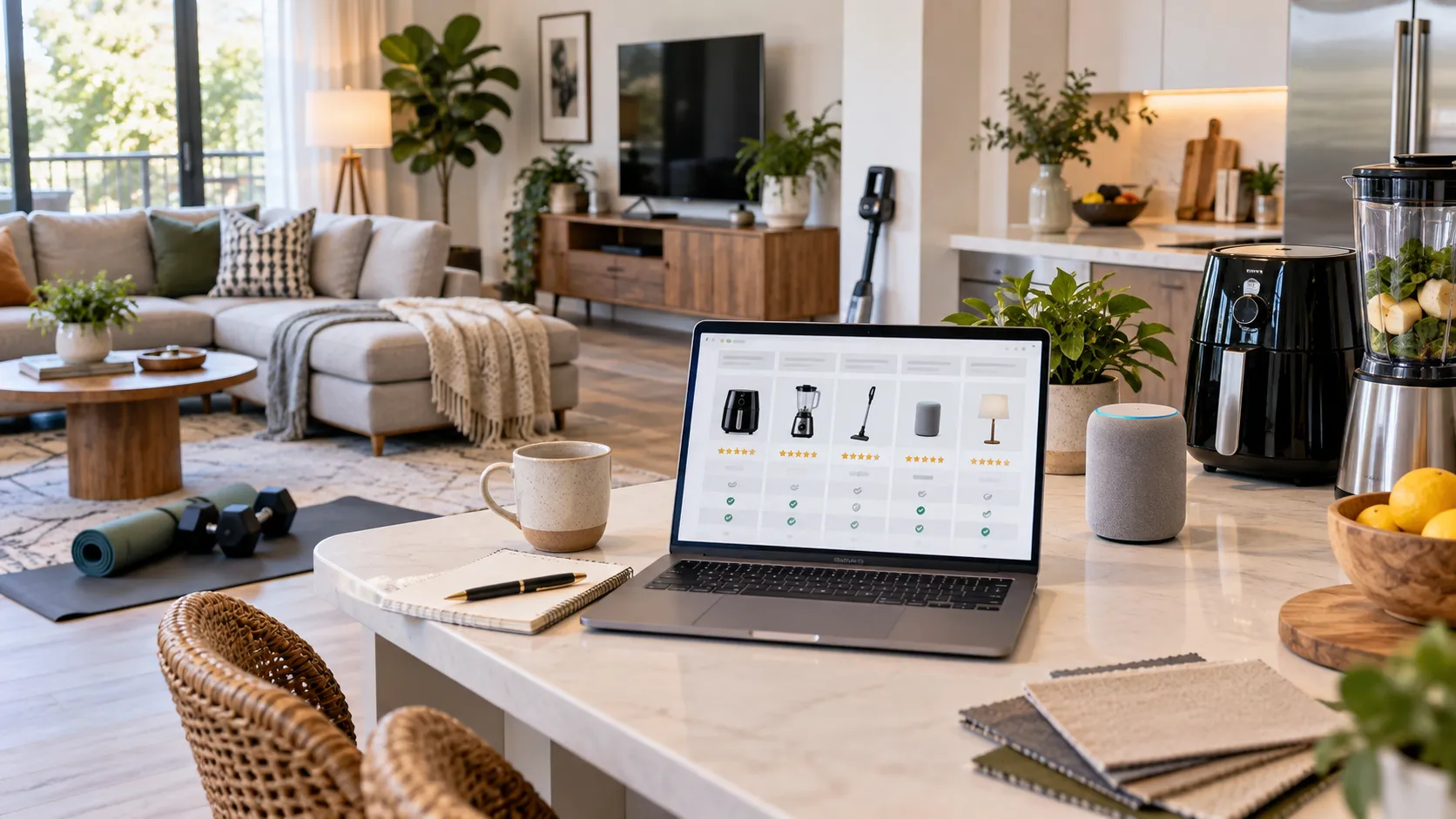

Why Choosing Home Products Can Be Difficult Today
Buying something for your home used to be simple. You needed a fan, you went to the store, you picked one of the two or three models available, and you went home.
That's not how it works anymore.
Today, a single search for "best air fryer" can return hundreds of models, dozens of price ranges, and conflicting opinions from every corner of the internet. Add smart features, subscription apps, and endless marketing claims, and it's easy to feel stuck before you've even made a decision.
This is exactly why home product buying guides have become so useful. They don't just list products. They help you think through what actually matters before you spend your money.
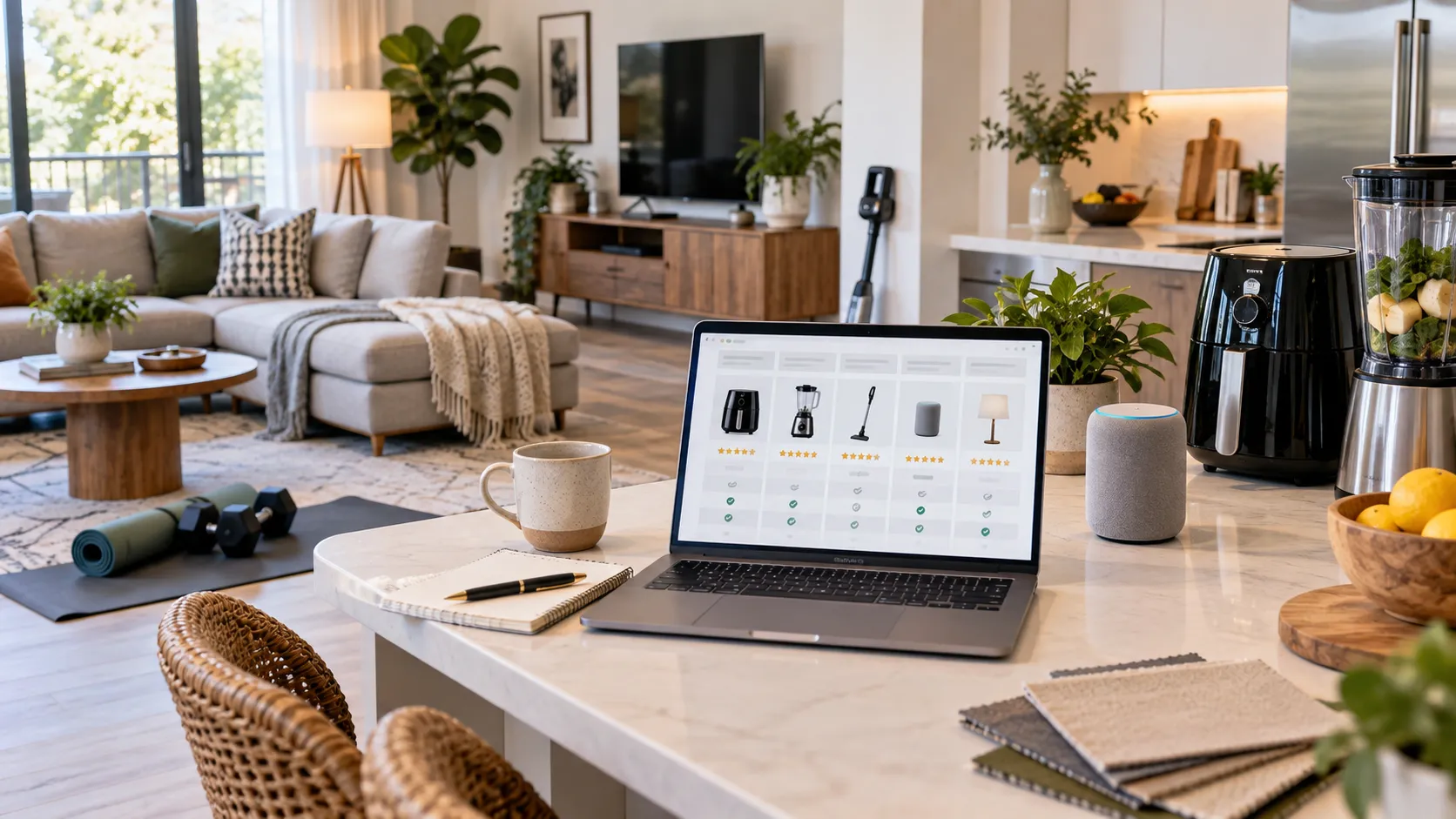
Why Home Product Research Matters
Skipping research feels faster in the moment, but it usually costs more later.
Think about someone who buys a vacuum cleaner purely because it was on sale, without checking whether it's suitable for their flooring type. Within a few months, they're dealing with poor suction, frequent clogging, and eventually another purchase to replace the first one.
This is where a good home buying guide earns its value. Instead of guessing, you understand the "why" behind a purchase decision. You know which features are genuinely useful for your situation, and which ones are just there to make a product look more advanced than it really is.
A little research upfront almost always saves both money and frustration down the road.
How to Identify Your Actual Needs Before Buying
Start With the Problem, Not the Product
Before searching for a specific item, ask yourself what problem you're solving.
For example, "I need a fan" is vague. "I need something to keep a small bedroom cool at night without much noise" is specific. That second version already narrows your options significantly.
Consider Your Living Situation
A large family home has very different needs than a studio apartment. Someone renting short-term might prioritize portable, easy-to-move items, while a homeowner might invest in something built to last for years.
Being honest about your actual living situation—not an idealized version of it—leads to smarter purchases.
Choosing Quality Home Products Based on Durability and Usability
Durability Isn't Just About Price
Many people assume the most expensive option is automatically the most durable, but that's not always true. Some mid-range products are built with better materials than premium-branded alternatives that spend more on marketing than manufacturing.
Look at build materials, warranty length, and how the brand handles repairs. These details matter more than the price tag alone.
Usability Matters More Than Specs
A blender with fifteen speed settings sounds impressive, but if you only ever use two of them, the extra features are irrelevant.
Real-life example: someone buying a coffee maker for a busy household might benefit more from a simple one-touch model than a fully programmable machine with a complicated app. The "advanced" option isn't better if it doesn't match how you'll actually use it.
Smart Home Products: What Features Are Actually Useful
Smart home products are everywhere now, from lights to thermostats to door locks. But not every smart feature adds real value.
Features Worth Considering
- Voice control for hands-free convenience
- Scheduling features that reduce energy usage
- Compatibility with an existing smart home ecosystem
Features That Often Go Unused
- Overly complex mobile apps with rarely used settings
- Features that require constant manual adjustment
- Devices that only work well within a single brand's ecosystem
For instance, a smart plug that lets you turn off a lamp remotely is genuinely useful for someone who often forgets to switch things off. A smart refrigerator with a built-in screen for browsing recipes, on the other hand, might sound exciting but rarely gets used beyond the first week.
The key with smart home products is asking whether a feature solves a real daily inconvenience, or whether it's simply "smart" for the sake of appearing modern.
Kitchen Products and Appliance Buying Considerations
Kitchens are where buying decisions often go wrong the fastest, mainly because there are so many gadgets that promise to make cooking "easier."
Ask Before You Buy
- Will this replace multiple tools, or add another item to store?
- How often will I realistically use this?
- Is cleaning this appliance simple, or will it become a hassle?
A kitchen product buying guide usually points out that specialized gadgets—like an egg-slicer-only tool—often go unused after the first few tries, while multi-purpose tools like a good chef's knife or a versatile pan get used almost daily.
Appliances Deserve Extra Attention
When it comes to larger appliances such as refrigerators, ovens, or dishwashers, focus on:
- Energy efficiency, since these run constantly
- Noise levels, especially in open-plan homes
- Available capacity based on household size
A family of four choosing a refrigerator has very different needs than someone living alone, even if both are shopping in the same store.
Comparing Products Before Making a Purchase
This step is where most shoppers either save money or waste it.
Shortlist Before You Compare
Instead of comparing ten similar products, narrow your options down to two or three that already meet your basic requirements. From there, product comparison becomes far easier.
What to Compare
- Warranty and after-sales support
- Real customer feedback, not just star ratings
- Long-term running costs, not just the upfront price
Reading detailed home product reviews and buying guides can be especially helpful at this stage, since they often highlight practical, everyday experiences that a product description alone won't mention. This kind of honest, side-by-side comparison is something platforms like UnaInk are known for, offering readers a simple way to weigh their options before committing to a purchase.
Common Mistakes Shoppers Should Avoid
Buying Based on Trends Alone
Just because a product is popular online doesn't mean it fits your specific needs.
Ignoring Return and Warranty Policies
Many buyers only check this after something goes wrong, which is far too late.
Overbuying "Just in Case"
Purchasing extra capacity or extra features "just in case you need them someday" often leads to wasted money and unused products sitting in storage.
Skipping Comparison Entirely
Buying the very first option you see, especially for expensive items, is one of the most common regrets people mention afterward.
Creating a Personal Home Essentials Checklist
Instead of researching from scratch every time you shop, it helps to build a personal home essentials list.
This can include:
- Items you know you'll need to replace eventually, like cookware or filters
- A rough budget range for each category
- Brands or products that worked well previously
- Notes on past purchases that didn't meet expectations
Keeping this list updated turns future shopping decisions into quick, confident choices rather than repeated research projects.
Final Thoughts
Choosing the right products for your home doesn't need to be overwhelming. When you start by identifying your actual needs, focus on durability and usability over flashy features, and take the time to compare your options, the right decision usually becomes clear on its own.
Home product buying guides exist to make this process simpler, not harder. Used thoughtfully, they help turn a confusing shopping experience into a straightforward one—one room, one purchase, and one informed decision at a time.





















Sign in to leave a comment.