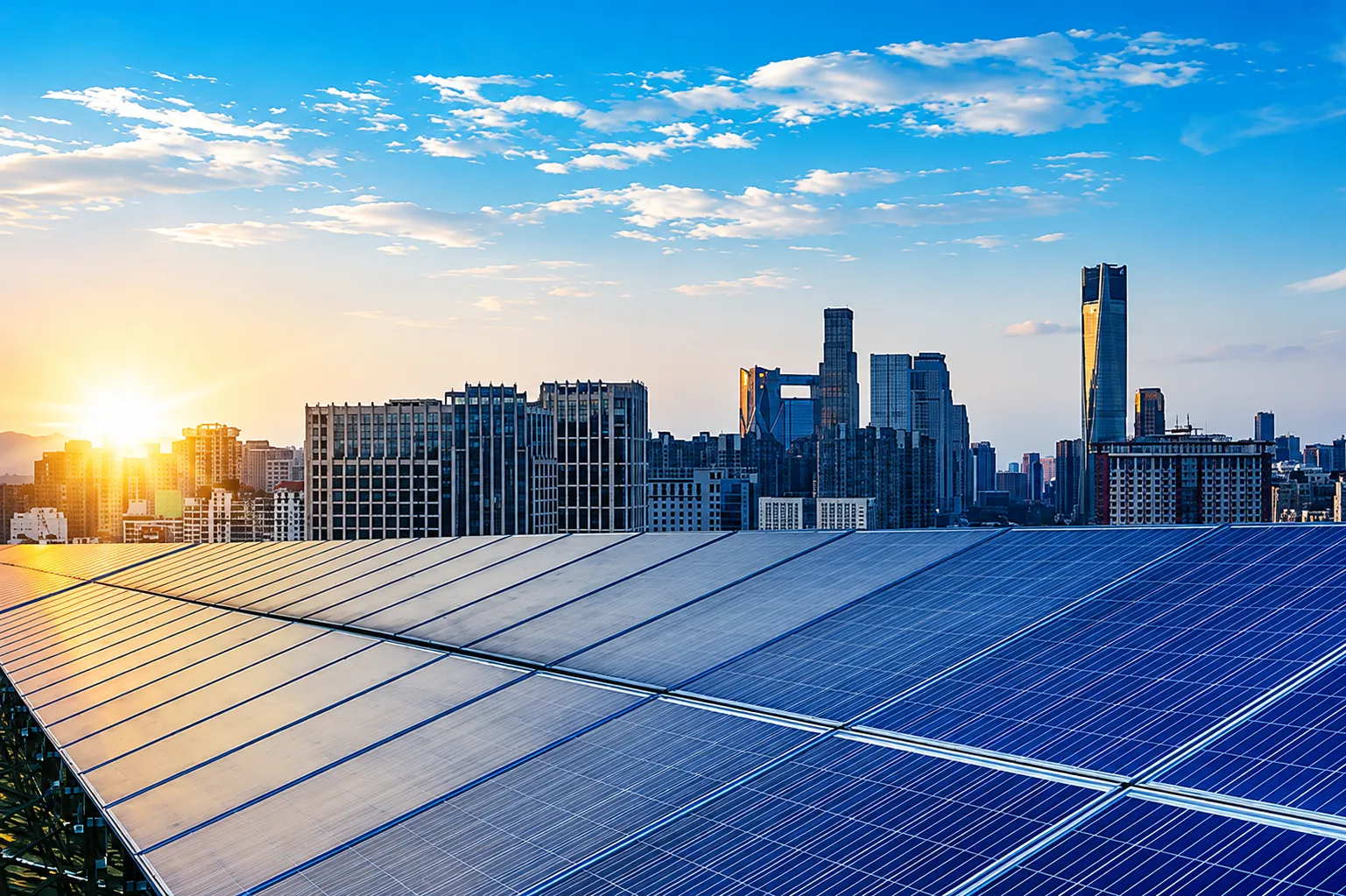

Electricity is an essential part of modern life, powering everything from kitchen appliances and lighting to heating, cooling, entertainment, and home offices. As homeowners look for ways to improve energy efficiency and manage long-term electricity expenses, a home solar power system has become an increasingly practical option.
Unlike simply purchasing electricity from the grid, a residential solar system allows a home to generate electricity from sunlight. With proper planning, solar can complement your household's existing energy use and provide renewable power for years.
But choosing solar should involve more than comparing panel prices. Homeowners should understand how a system works, what affects its performance, and how to determine whether their property is a suitable candidate.
What Is a Home Solar Power System?
A home solar power system is a collection of equipment designed to convert sunlight into usable electricity for a residential property.
A typical system can include:
- Solar photovoltaic panels
- Inverters
- Mounting equipment
- Electrical wiring and safety components
- Monitoring technology
- Optional battery storage
Each component has an important role. The solar panels generate electricity, while the inverter converts it into a form that household appliances can use.
The system is then connected to the home's electrical infrastructure so solar-generated electricity can support normal household consumption.
How Can Home Solar Reduce Grid Dependence?
When a home generates electricity on-site, it may not need to purchase as much electricity from the utility.
For example, solar panels can generate electricity during the daytime while your refrigerator, HVAC equipment, computers, and other appliances are operating. If the system produces more electricity than the home is using, that additional energy can potentially be exported to the grid or stored in a battery, depending on the system design and applicable utility rules.
This creates a more flexible approach to household energy management.
Factors That Affect Solar Performance
A home solar power system does not perform identically on every property. Several factors influence how much electricity a system can generate.
Roof Orientation and Available Space
The amount and location of usable roof space can affect system design. Installers need to determine where panels can be placed while considering roof structure and potential obstructions.
Shade
Trees, neighboring structures, chimneys, and other obstacles can reduce sunlight reaching panels. Evaluating shading helps installers determine suitable panel locations.
Energy Consumption
The amount of electricity your household uses is one of the most important factors in system sizing.
A home with high electricity consumption may require a larger system than a property with modest energy needs.
Equipment Selection
Panel efficiency, inverter technology, mounting equipment, and system configuration can all influence performance and reliability.
Should You Add Battery Storage?
Solar panels generate electricity primarily when sunlight is available. Household electricity demand, however, can continue throughout the evening and overnight.
Battery storage can help bridge this difference.
A battery can store excess electricity and make it available later, depending on the system configuration. It can also provide backup power for selected loads during certain grid outages when properly designed for that purpose.
For homeowners interested in greater energy resilience, solar and battery storage can be evaluated as part of one broader energy plan.
Planning for Your Home's Future
Solar system design should not only consider today's electricity usage.
Think about potential changes that could increase your home's energy demand, such as:
- Purchasing an electric vehicle
- Adding an electric heat pump
- Expanding your home
- Replacing gas appliances with electric models
- Installing additional HVAC equipment
- Increasing home office usage
Considering these possibilities early can help homeowners avoid designing a system that no longer meets their needs a few years later.
Why Electrical Infrastructure Matters
Solar installation is closely connected to the home's electrical system.
The electrical panel, wiring, breakers, grounding, and other components need to be evaluated before the system is installed. Older homes or properties with limited electrical capacity may need an electrical upgrade as part of the project.
This is one reason choosing a company with both solar and electrical expertise can be beneficial.
Cascade Solar & Electric combines solar installation and electrical contracting experience to help homeowners address these requirements as part of a complete residential energy project.
Choosing the Right Solar Installer
Solar equipment may remain on your home for decades, making installer selection an important decision.
Look for a company that can provide:
- A property-specific system assessment
- Transparent project information
- Professional system design
- Proper electrical planning
- Quality installation
- Permitting and inspection support
- System monitoring
- Ongoing service when needed
A good installer should also explain the system clearly rather than making unrealistic promises about savings or performance.
How to Get Started With Residential Solar
The first step is usually an assessment of your home and energy usage.
A professional solar team can review your electricity consumption, roof characteristics, shading, electrical infrastructure, and future requirements. From there, the installer can determine whether a solar system makes sense and develop an appropriate design.
This process helps homeowners make an informed decision rather than choosing a system based solely on panel count or advertised pricing.
Conclusion
A home solar power system can help homeowners generate clean electricity, reduce reliance on traditional grid power, and take a more proactive approach to household energy management. However, the most successful solar projects start with proper planning.
From roof conditions and energy usage to electrical capacity and future needs, every property deserves an individualized approach.
Cascade Solar & Electric provides residential solar and electrical solutions designed around homeowners' specific requirements.
























Sign in to leave a comment.