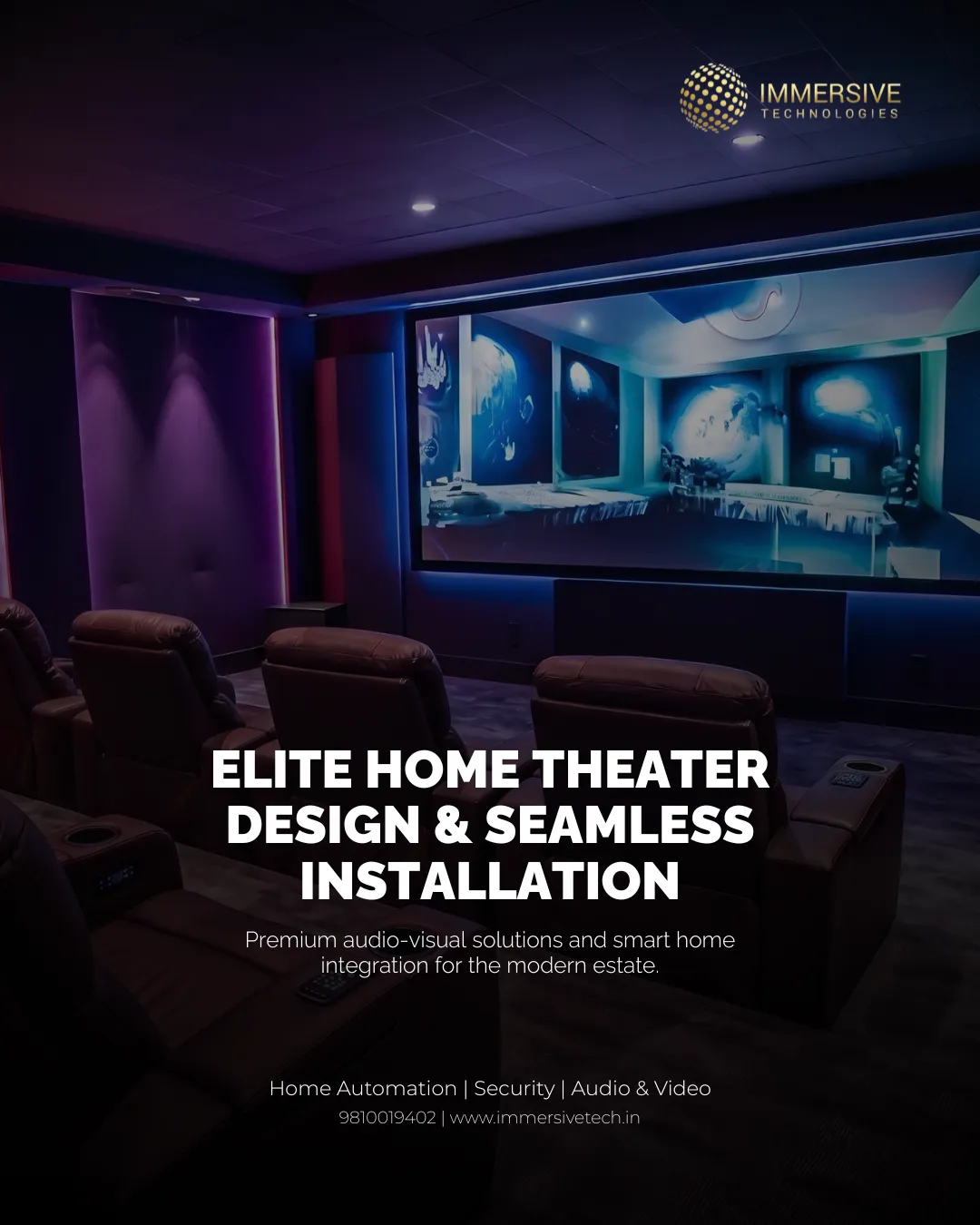

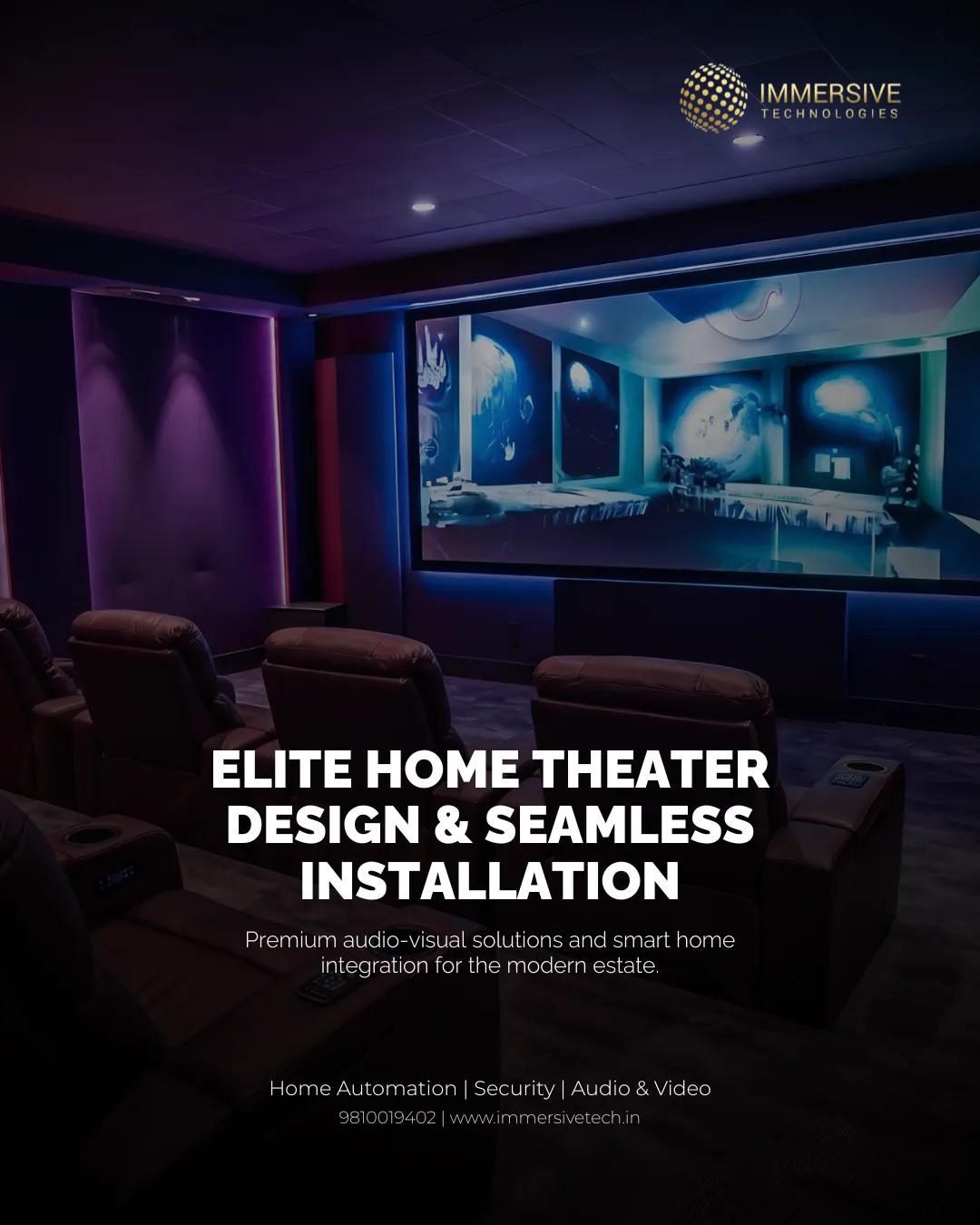
A great film deserves more than a wall-mounted TV and borrowed surround sound. Professional home theater installation creates a dedicated space engineered acoustically, visually, and experientially to match the way cinema was meant to be watched. Here is what the process actually involves, and why it matters.
Why a Dedicated Room Changes Everything
Open-plan living rooms fight a losing battle against ambient light, reflective surfaces, and compromised speaker placement. A dedicated home theater eliminates those variables entirely. With controlled acoustics, full blackout, and purpose-positioned speakers, even a moderately priced system performs at a dramatically higher level than premium equipment thrown into a general-purpose room.
The result is not just better picture and sound it is a fundamentally different experience. One where every seat is the best seat.
The Five Pillars of a High-End Home Theater Installation
Acoustic Design
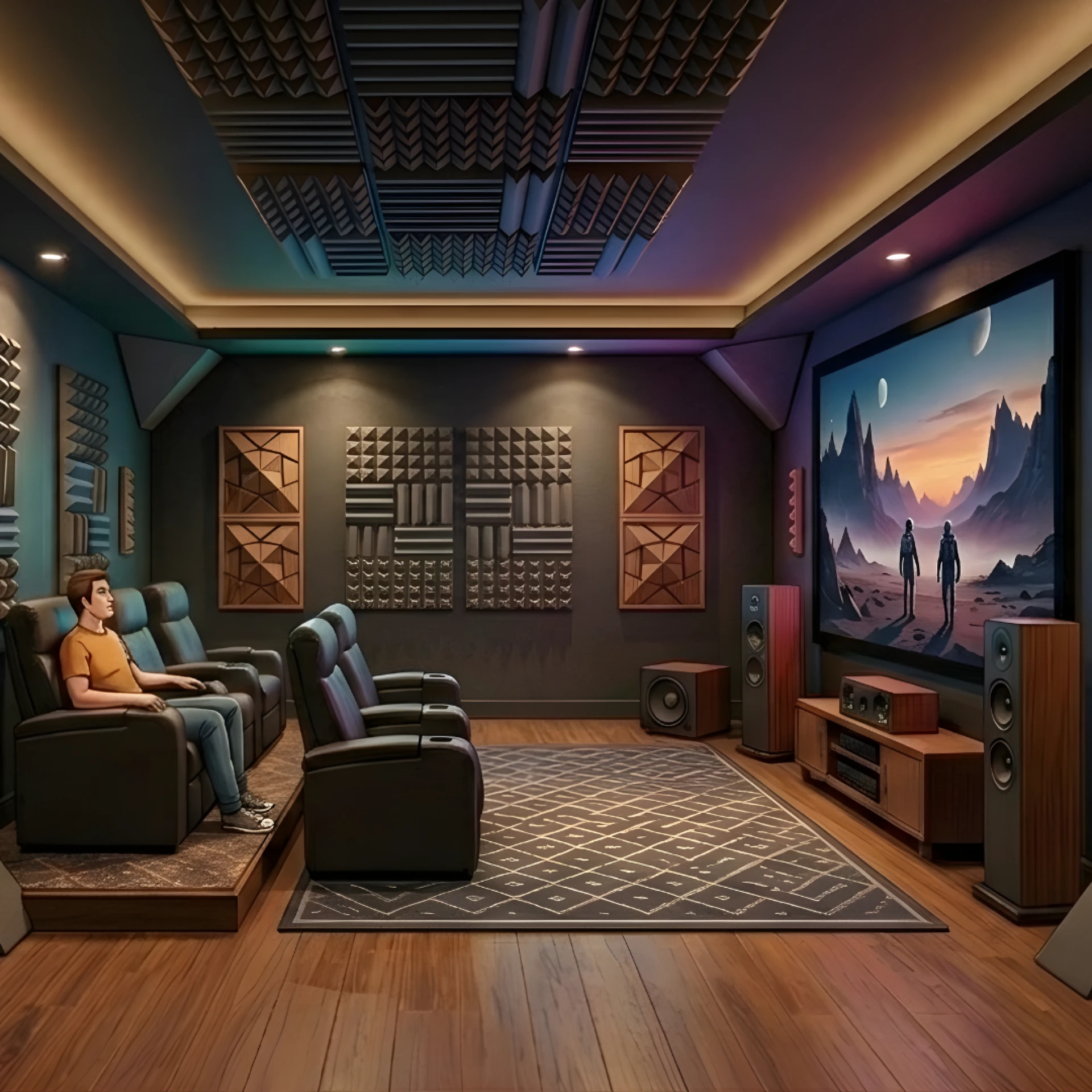
Room acoustics determine how sound behaves before a single speaker is switched on. Professional installations include bass traps, acoustic panels, and diffusers calibrated to the room's specific dimensions eliminating echo and ensuring even sound distribution across every seat.
Display Technology
At the premium tier, you are choosing between reference 4K or 8K laser projectors (delivering 120"+ images with Dolby Vision) and direct-view LED panels (zero black crush, exceptional in mixed-light environments). Your integrator recommends the right fit based on your room and viewing habits not a default specification.
Immersive Audio
Dolby Atmos configurations typically 7.1.4 or 9.1.6 place speakers in walls and ceilings to create a three-dimensional soundstage. Every system is calibrated using measurement microphones and room-correction software so the audio matches your room's unique acoustic signature, not a generic preset.
Seating & Interior
Motorised recliners, tiered riser platforms, starfield ceilings, and acoustically transparent fabric walls are not cosmetic add-ons they are functional design elements that contribute to both comfort and performance.
Smart Home Integration
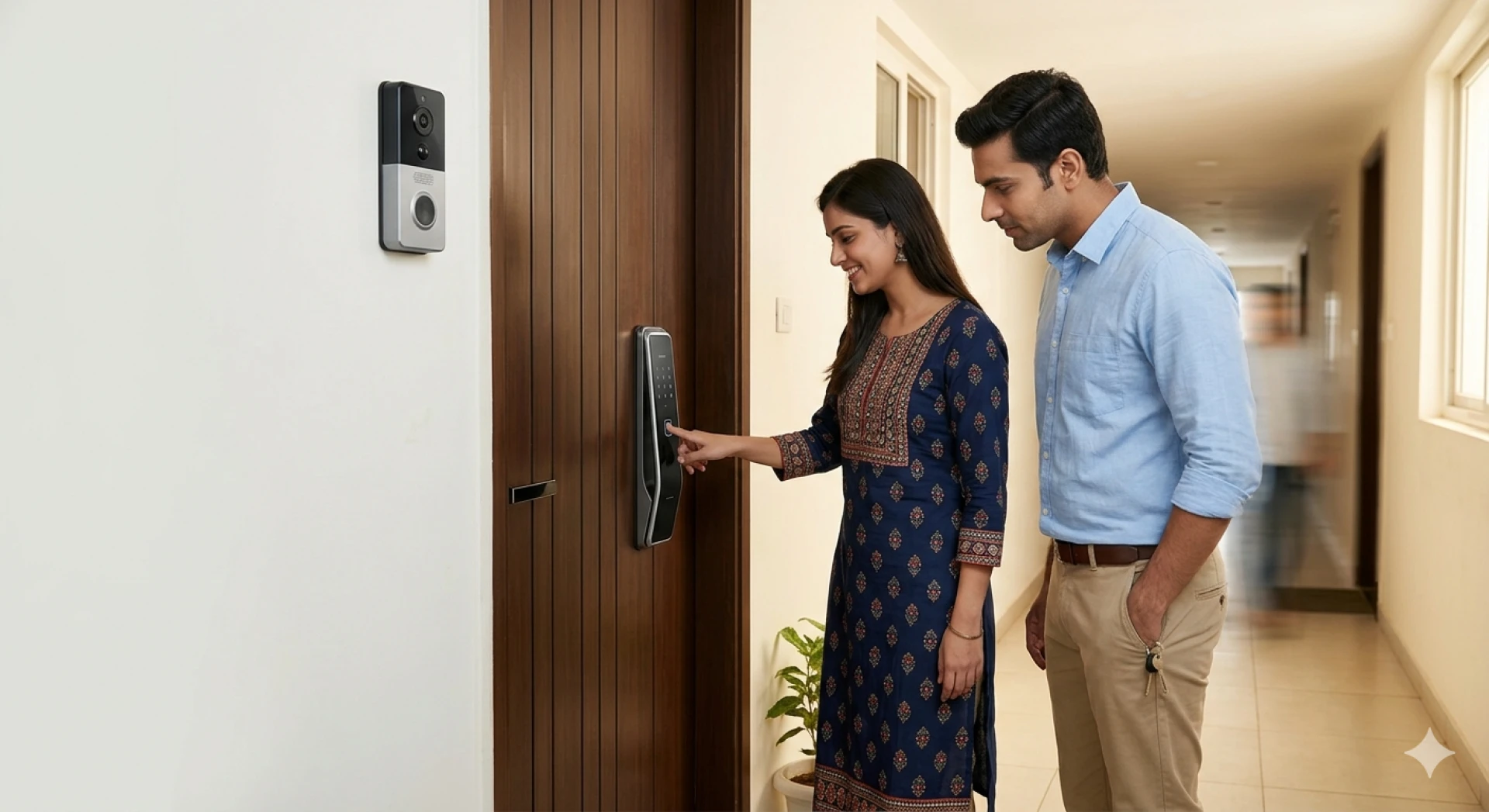
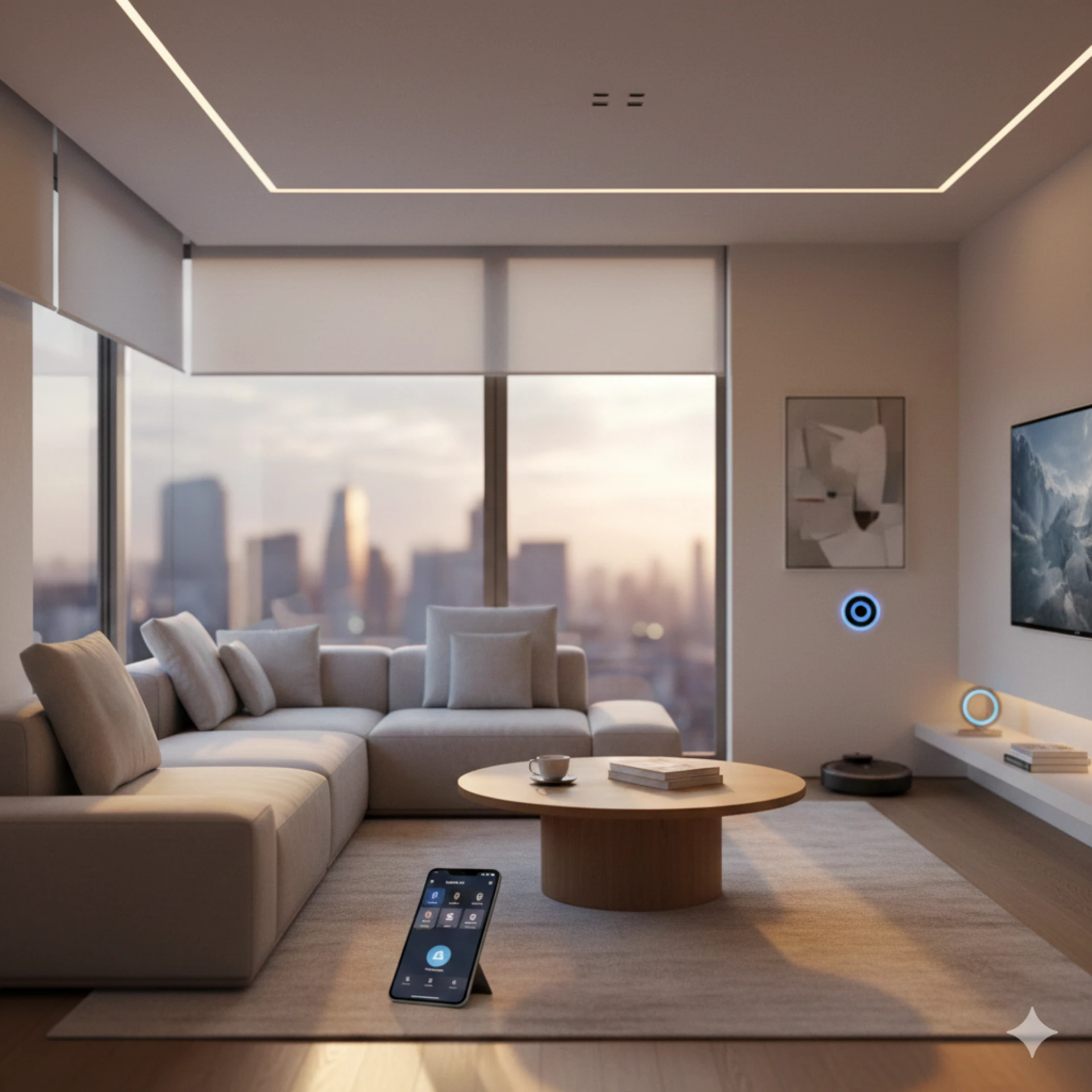
A single tap should dim the lights, lower the screen, close the blackout blinds, and begin the film. Control platforms like Crestron, Control4, or Savant tie every component together into one seamless, intuitive interface.
What the Installation Process Looks Like
A professional home theater installation follows a structured sequence:
- Site survey and design brief your space, your priorities, your budget
- Full AV design: speaker layout, cabling schematics, rack design, acoustic plan
- Infrastructure works conduit, dedicated power circuits, in-wall cabling
- Equipment installation and system integration
- Acoustic treatment and precision calibration
- Client handover, demonstration, and ongoing support
End-to-end, most dedicated cinema installations take 8 to 12 weeks from design sign-off to first screening.
Three Mistakes Worth Avoiding
- Skipping acoustic treatment: An untreated room undermines even the finest equipment. This is never optional at the high-end tier.
- No dedicated power circuits: AV equipment is sensitive to mains interference. Separate circuits and power conditioning protect both performance and longevity.
- Screen size without context: Bigger is not always better. Optimal screen size is a precise function of viewing distance and resolution getting it wrong causes fatigue, not immersion.
Ready to Design Your Private Cinema?
Immersive Tech designs and installs bespoke home cinemas across India from the acoustic shell to the final calibration. Every project is built around your space, your taste, and the experience you want to live in. Explore our home theater installations and take the first step toward a room that changes how you watch everything.



















Sign in to leave a comment.