
Moving into a new home in India is a milestone often celebrated with a Griha Pravesh and a long list of furniture shopping. However, in 2026, the most critical "furniture" you can buy is a digital shield. With the rise of smart cities and high-rise apartments, traditional locks and a lone security guard are no longer enough.
Whether you’ve just picked up the keys to a 3BHK in Bengaluru or a villa in Gurgaon, here is your essential checklist for a Smart Security Setup tailored for Indian homes.
Phase 1: The Gateway (Front Door Security)
The main entrance is your first line of defense. In India, where we frequently have couriers, milk delivery, and domestic help, managing access is key.
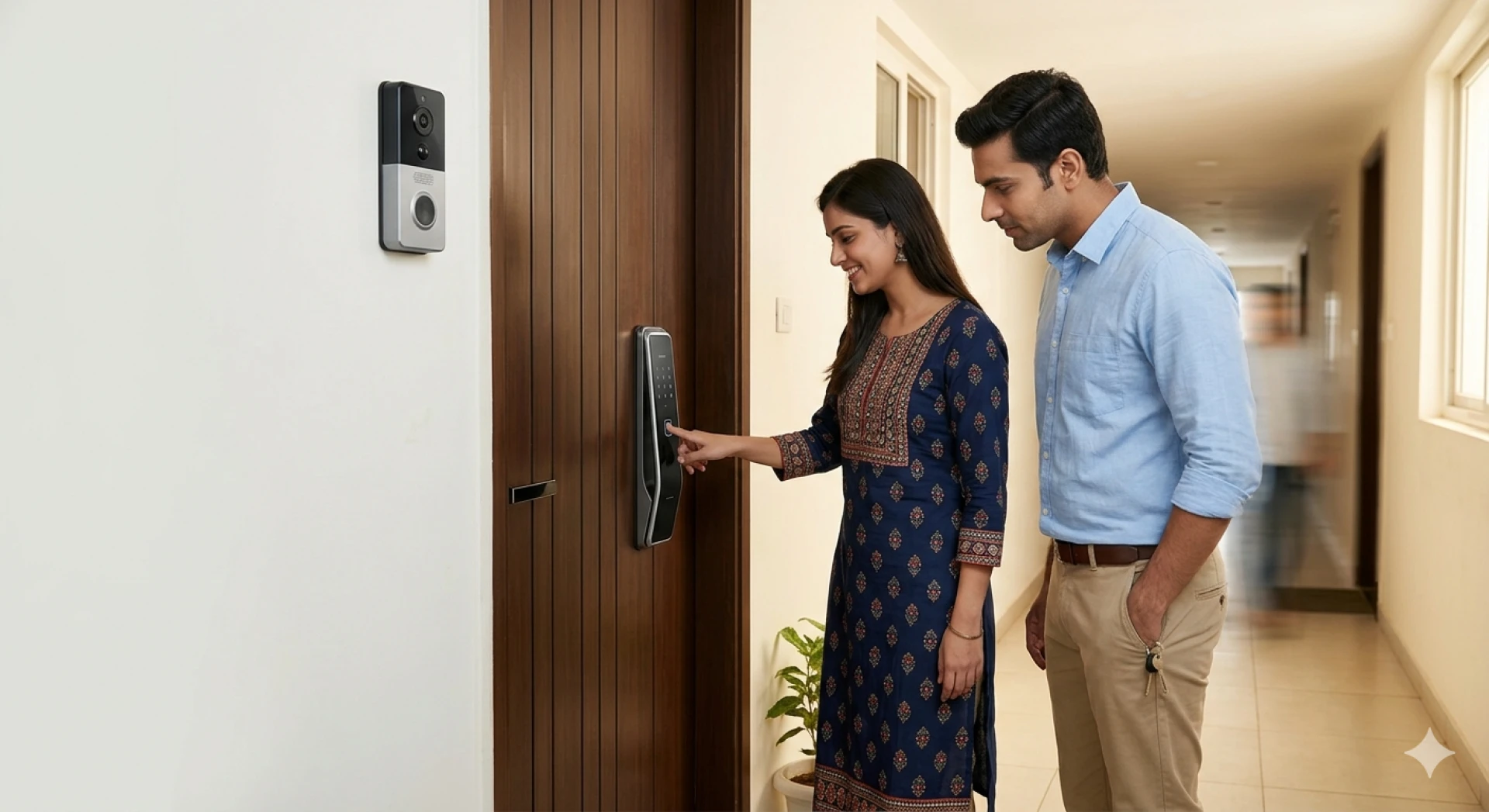
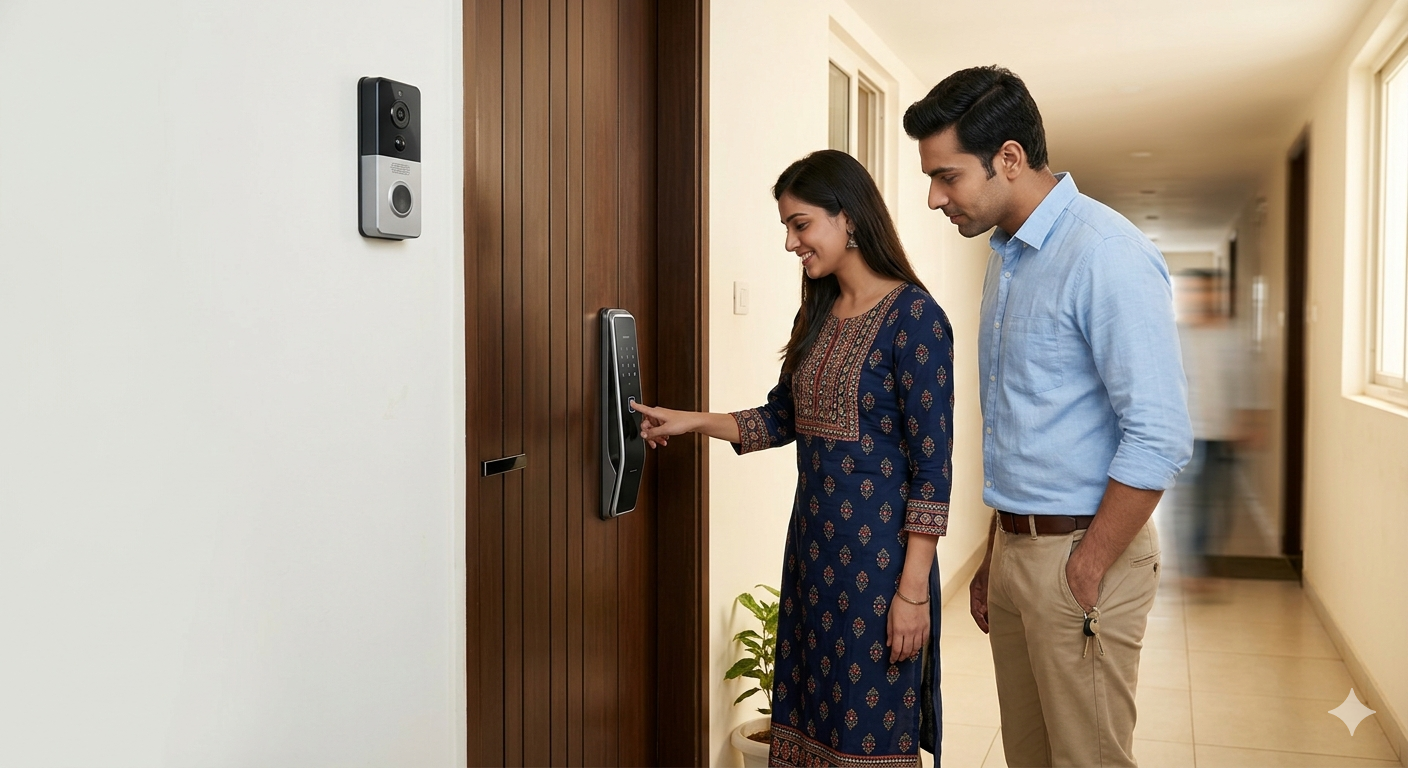
- Smart Digital Lock: Move beyond physical keys. Look for locks offering Multi-Layer Authentication (Fingerprint, PIN, and RFID).
- Pro Tip: Ensure it has a mechanical key override and a USB emergency power port for those times you forget to change the batteries.
- AI-Powered Video Doorbell: Standard doorbells are out. You need a device with two-way audio and package detection.
- Why? To tell the delivery person to leave the Biryani at the door without opening it.
- Smart Sensors: Install Door/Window Sensors on the main door and balcony sliders. These send an instant ping to your phone if a door is pried open.
Phase 2: The Vigilant Eye (Surveillance)
Modern Indian apartments often have "blind spots," especially in utility balconies or long corridors.
- Indoor AI Cameras: Use these for common areas. In 2026, the best cameras feature Human vs. Pet Detection to avoid false alerts every time your cat jumps on the sofa.
- Outdoor Weatherproof Cameras: If you have a private entrance or villa, ensure your cameras are IP66 rated to survive the Indian monsoon and dust.
- Privacy Mode: Look for cameras with a physical privacy shutter that closes when you are at home.
Phase 3: The "Indian Context" Essentials
Security isn't just about intruders; it’s about safety within the unique environment of an Indian household.
| Device | Purpose | Why it's a "Must" |
|---|---|---|
| Smart Gas Leak Detector | Kitchen Safety | Essential for detecting LPG leaks early in Indian kitchens. |
| Smart Plug for Iron/AC | Fire Prevention | Ever left the house wondering if the Geyser is still on? Remote kill-switch saves lives (and bills). |
| Smart Lighting | Deterrence | Use "Away Mode" to schedule lights while you're at your hometown for Diwali, making the house look occupied. |
Phase 4: Integration & Connectivity
A bunch of gadgets is just a collection; an integrated system is a Smart Home.
- Matter Protocol Compatibility: Ensure your devices support Matter. This allows your Godrej lock, TP-Link camera, and Amazon Alexa to actually talk to each other.
- Dual-Band Wi-Fi 6 Router: Smart security thrives on stable internet. A Wi-Fi 6 router handles multiple devices without lagging.
- Power Backup: In areas with frequent power cuts, ensure your security hub has a battery backup that lasts at least 4–6 hours.
Installation Tips for New Homeowners
- Check Society Rules: Before drilling for a video doorbell, check if your Apartment Owners Association (AOA) has specific guidelines on exterior modifications.
- Professional vs. DIY: While smart bulbs are easy DIY, Smart Locks and CCTV wiring are best left to professionals to ensure the warranty remains valid.
- Firmware Updates: Always update your device software immediately after installation to patch any cybersecurity vulnerabilities.
Final Thoughts
Investing in a smart security system isn't just about tech—it's about the peace of mind that comes when you’re stuck in traffic or traveling for work, knowing your sanctuary is safe.




























Sign in to leave a comment.