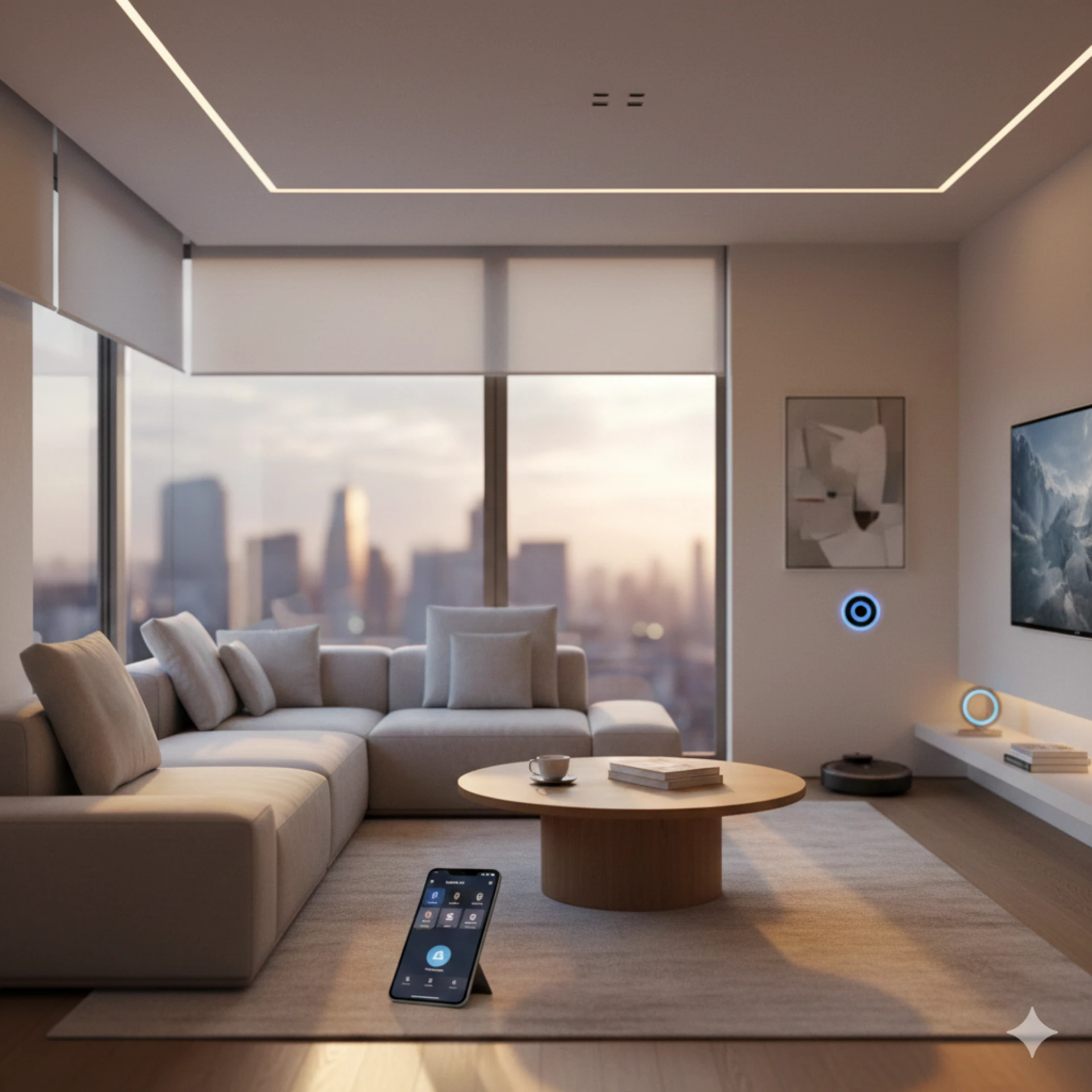

The term "Smart Home" often conjures images of walls lined with blinking LED panels, a dozen different remote controls cluttering the coffee table, and a tangled mess of wires hidden behind the TV stand. At first glance, it feels like inviting a miniature Best Buy to live in your guest room.
But as the industry matures in 2026, we have to ask: Does home automation actually mean adding more technology to our lives, or is its ultimate goal to make technology disappear?
The Paradox of Presence: Physical vs. Functional Tech
To answer this, we need to distinguish between hardware presence and technological friction.
1. The "More" Argument: Hardware Proliferation
From a purely inventory-based perspective, yes, you are adding more "stuff." A traditional home has a manual deadbolt; a smart home has a motor, a Wi-Fi chip, and a battery pack inside that same door. You’re adding:
- Sensors: Motion, leak, and contact sensors hidden in corners.
- Hubs: The "brains" of the operation sitting on your bookshelf.
- Actuators: Smart blinds, automated vents, and connected appliances.
2. The "Less" Argument: The Great Convergence
While the chip count goes up, the visible clutter often goes down. Think of the smartphone: it replaced your camera, GPS, MP3 player, flashlight, and calculator. Home automation does the same for your living space.
- Universal Control: One interface (voice or phone) replaces five different remotes.
- Invisible Infrastructure: Smart switches look like regular switches, and smart bulbs look like regular bulbs. The technology is "baked in" rather than "tacked on."
- Reduced Cognitive Load: You no longer have to "manage" the tech. The house simply reacts to you.
The Shift from "Gadgets" to "Systems"
In the early days of DIY smart homes, every new feature felt like an extra chore. You had to open an app to turn on a light—which is actually more steps than just hitting a switch.
Today, true automation aims for calm technology. This is the concept where technology recedes into the background of our lives.
| Feature | Old "High-Tech" Way | Modern Automated Way |
|---|---|---|
| Lighting | 5 different dimmers on a wall | One "Scene" button or occupancy sensors |
| Climate | Adjusting the thermostat 4x a day | Adaptive AI that learns your schedule |
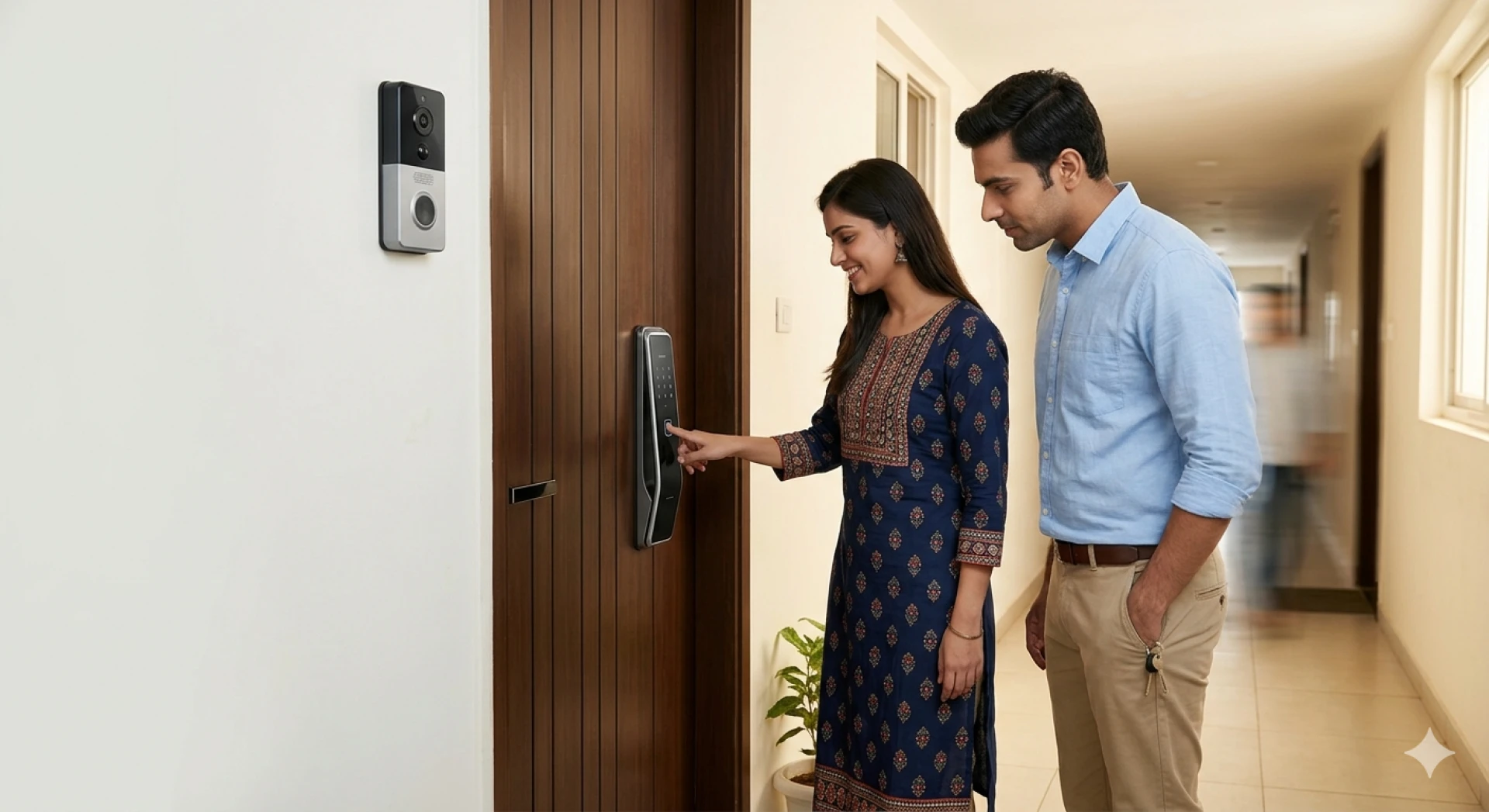
| Security | Checking every door and window | A "Goodnight" routine that locks up for you |
The Verdict: Home automation increases the quantity of silicon chips in your home, but it drastically reduces the complexity of interacting with your environment.
Why "Less" is the Future of Smart Living
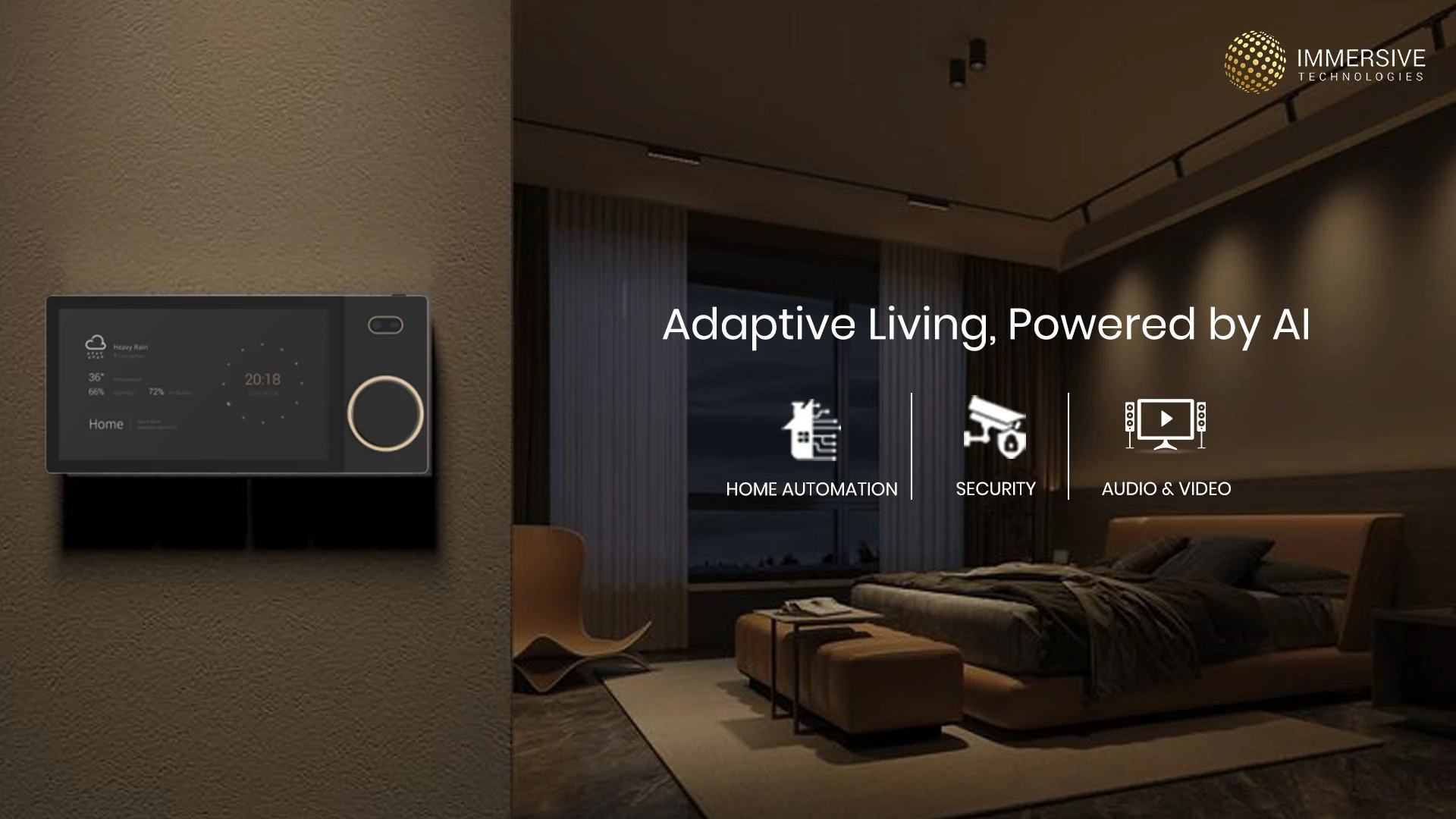
The ultimate goal of a sophisticated smart home is to reach a state of zero-UI (User Interface).
When your lights dim because the sun is setting, or your vacuum runs only when the house is empty, you aren't "using technology." You are simply living in a responsive environment. In this sense, home automation means less technology in your headspace, even if there are more sensors in your ceiling.
Tips for a "Less is More" Smart Home:
- Prioritize Ecosystems: Stick to Matter-compatible devices to ensure everything talks to one another through a single app.
- Automate, Don't Just Remote-Control: If you have to pull out your phone to do it, it’s not automated—it’s just a remote.
- Hide the Hardware: Choose "in-wall" modules over bulky smart plugs to keep your aesthetic clean.
Conclusion
So, does home automation mean more or less technology? Physically, it’s more. Experientially, it’s significantly less. By consolidating dozens of manual tasks into invisible, automated routines, you reclaim the most valuable resource of all: your time.
The best smart home isn't the one that looks like a spaceship; it's the one that feels like a home, just one that happens to be "thinking" about your comfort in the background.


























Sign in to leave a comment.