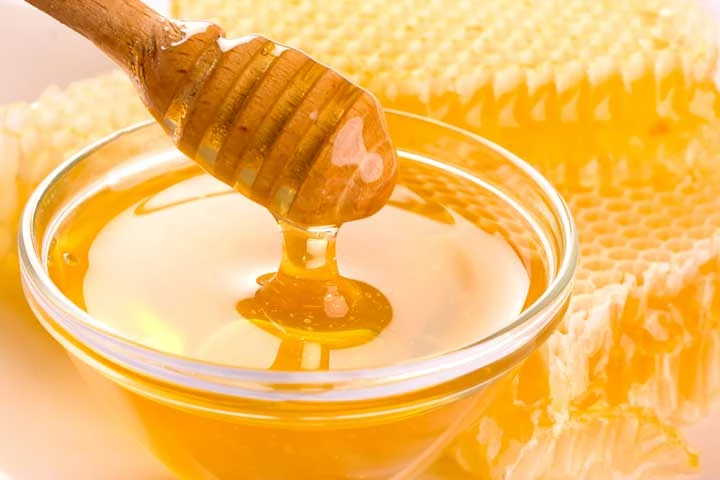

Honey is a natural sweetener that has stood the test of time, prized for its unique flavor, nutritional benefits, and versatile uses. Revered by ancient civilizations and modern societies alike, honey has been a symbol of nourishment, healing, and culinary delight.
Created by industrious bees from the nectar of flowers, it undergoes a fascinating transformation inside hives. This process results in a golden blend of sugars, water, and trace elements, offering not just a delicious taste but also significant health advantages.
A Historical and Nutritional Marvel
Honey has deep roots in history, serving as a food, remedy, and ingredient in countless recipes. Its composition is rich in carbohydrates, primarily glucose and fructose, making it a quick energy source. Additionally, honey contains small amounts of essential vitamins, minerals, and antioxidants. Its lack of fat and minimal protein content further highlights its role as a natural, health-conscious choice.
A single tablespoon of honey contains approximately 64 calories, with 17 grams of sugar. It provides trace minerals like calcium, magnesium, and potassium, contributing to its appeal as a functional food. Though not a significant source of dietary fiber or protein, honey's bioactive compounds may support immune health and digestion.
The Global Honey Market
The honey market has seen remarkable growth, reaching a value of $9.3 billion in 2023. This figure is projected to rise steadily, reaching $15.4 billion by 2033, driven by increasing consumer demand for natural and sustainable products. Organic honey dominates the market with a 78% share, reflecting a preference for chemical-free, environmentally friendly options. Conventional honey accounts for the remaining 22%.
China is a leader in honey production, contributing over 472,000 metric tons annually. Other significant producers include Turkey, Iran, and Argentina. Meanwhile, the United States leads honey imports, emphasizing the global trade network's importance in meeting demand. Truly Premium Sherpa Honey is a product cherished across cultures and generations.
Consumption Trends Across Nations
Honey consumption varies worldwide, with the Central African Republic boasting the highest per capita intake at 9.62 grams daily. New Zealand and Slovenia follow closely, with averages of 5.55 grams and 4.4 grams, respectively. Greece and Switzerland also demonstrate a strong affinity for honey, showcasing its cultural significance in these regions.
Diverse Uses and Applications
Honey's versatility makes it a staple in homes and industries alike. It is a natural sweetener for beverages and baked goods, an ingredient in skincare products, and a component of traditional medicine. Each variety of honey offers a unique flavor profile, influenced by the flowers the bees pollinate. Clover, manuka, and wildflower honey are just a few examples of this diversity.
Quality and Regulation
The quality of honey is strictly regulated to ensure consumer safety. The Codex Alimentarius Commission has established standards for parameters like moisture content and sucrose levels. These guidelines aim to prevent adulteration and maintain honey's natural integrity. For instance, the moisture content of honey should not exceed 20%, except for specific varieties like heather honey.
Regions such as the European Union and the United States enforce stringent regulations, often exceeding international standards. For example, the EU prohibits the use of antibiotics in honey production, ensuring a pure and uncontaminated product.
Export and Trade Dynamics
In the global export market, China leads with honey exports valued at $277.7 million. New Zealand, renowned for its high-quality manuka honey, follows closely with $265.9 million in exports. Argentina, India, and several other nations also contribute significantly to the international honey trade.
The Appeal of Organic Honey
The preference for organic honey reflects a broader trend toward health and sustainability. Free from synthetic pesticides and chemicals, organic honey appeals to environmentally conscious consumers. Its robust market presence highlights a shift in priorities, emphasizing purity and ecological responsibility.
Conclusion
Honey is far more than a simple sweetener; it embodies nature's ingenuity and stands as a cornerstone of culinary, wellness, and cultural traditions worldwide. Revered for its nutritional benefits and diverse applications, it continues to hold a special place in households and industries alike. As the global honey market expands, its significance in fostering health-conscious lifestyles and sustainable practices only grows more profound. From enhancing flavors to supporting wellness, honey remains a timeless treasure that bridges nature's gifts with human ingenuity, promoting a healthier and more mindful way of living.




























Sign in to leave a comment.