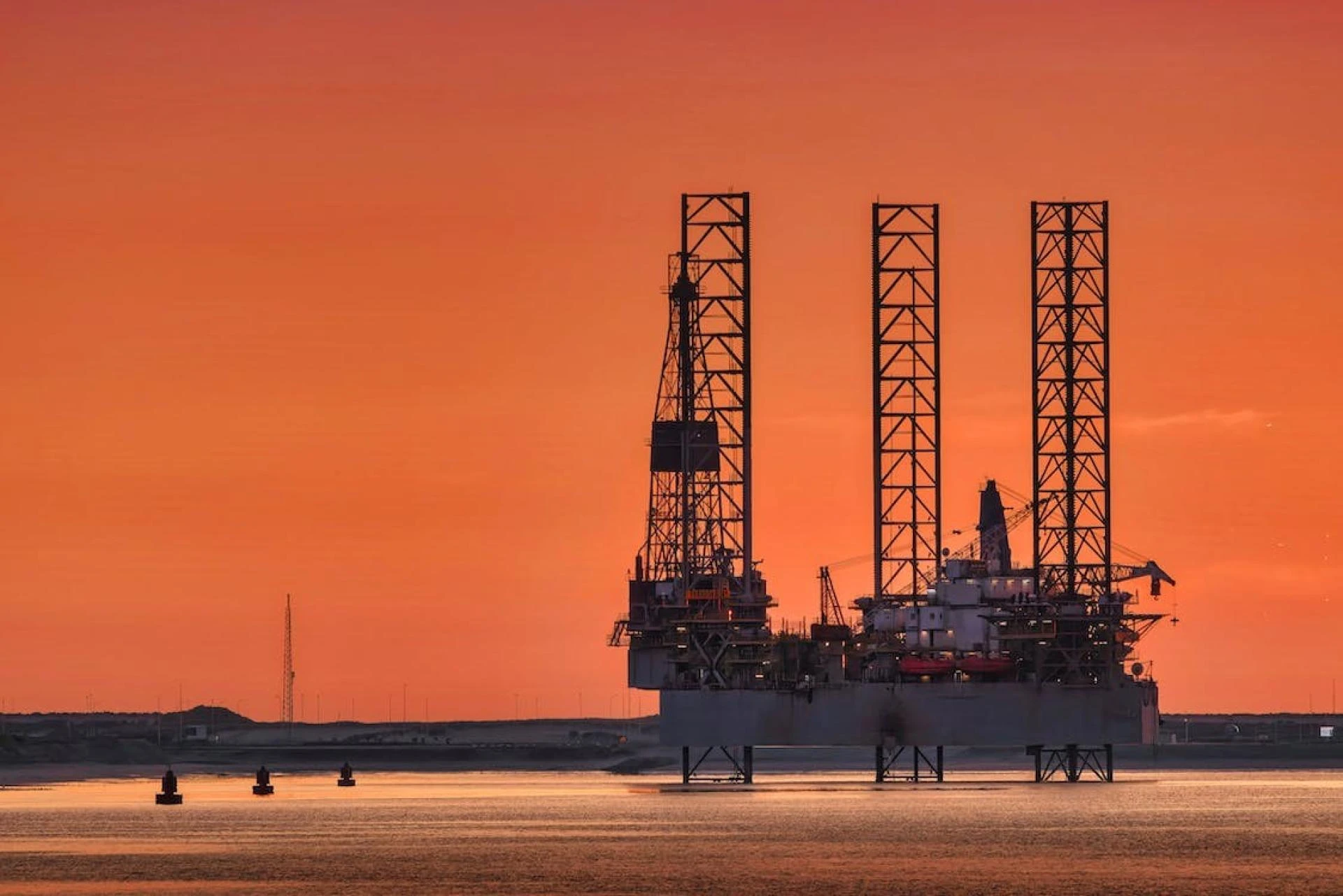

Horizontal drilling technology has revolutionized the oil and gas industry, marking a significant departure from traditional vertical drilling practices. This innovative approach has expanded the capabilities of exploration and production and introduced new efficiency and profitability levels.
Here, we delve into the advantages of horizontal drilling, its role in accessing unconventional resources, and the technological advancements making this all possible.
The Rise of Horizontal Drilling
Horizontal drilling involves angling the drill bit to enter a pay zone horizontally, allowing the well to intersect the reservoir at a more efficient angle. This technique enhances the well's contact with the oil or gas reservoir, significantly increasing the extraction rate and total recoverable resources.
One of the most compelling advantages of horizontal drilling is its ability to access reserves that were previously considered uneconomical or technically challenging. This includes tight formations, shale plays, and thin oil rims, which are now within reach thanks to this advanced drilling method.
Beyond merely accessing hard-to-reach reserves, horizontal drilling offers several other notable benefits, such as the following:
Reduced Surface Footprint: Horizontal drilling requires fewer drilling sites compared to traditional vertical wells, leading to minimized land use and environmental impact, showcasing a commitment to sustainable practices.Enhanced Production Efficiency: By increasing the wellbore's exposure to the producing formation, horizontal drilling yields higher production rates per well, streamlining the process and maximizing output.Improved Recovery Rates: This method enables the extraction of hydrocarbons from lower permeability reservoirs, such as tight formations, thereby improving overall recovery rates and making previously uneconomical reserves viable.Cost-Effectiveness: Despite higher initial costs, the enhanced efficiency and increased production associated with horizontal drilling often result in lower operational costs per barrel over the well's lifespan, presenting a cost-effective solution for oil and gas development.Flexibility in Well Placement: Horizontal drilling offers the ability to navigate around surface obstacles and reach targets beneath sensitive or developed areas without disturbing the land above, providing unparalleled flexibility in well placement and minimizing environmental disruption.Optimized Reservoir Management: It facilitates better reservoir management and depletion strategies, allowing for a more uniform and efficient drainage of the reservoir, which maximizes the extraction of available resources and prolongs the life of the well.The Backbone of Horizontal Drilling Success
Horizontal wells boast a greater surface area in the target formation compared to their vertical counterparts. This increased contact with the reservoir rock allows for higher production rates and a greater overall yield of hydrocarbons from a single well. For operators, this means maximized efficiency and reduced costs over the life of the well.
Horizontal Drilling and Unconventional Resources
The success of horizontal drilling is partly due to the use of advanced materials and equipment, such as fiberglass pipes, FRP (Fiber-Reinforced Plastic) pipes, GRE (Glass Reinforced Epoxy) pipes, and RTP (Reinforced Thermoplastic Pipes). These materials offer superior strength, flexibility, and corrosion resistance, which are crucial for the high-stress environments of horizontal wells.
Moreover, the use of GRE casing and tubing in horizontal drilling operations reduces the risk of downhole failures and prolongs the operational lifespan of the well. The industry can achieve safer, more reliable production processes with these innovations.
Economic Impact: How Horizontal Drilling Redefines Profitability
Horizontal drilling is a key enabler in the exploitation of unconventional resources like shale gas and tight oil. By allowing producers to precisely target and efficiently extract these resources, horizontal drilling has unlocked vast new energy supplies, reshaping global energy markets and significantly contributing to energy security.
Technological Frontiers: The Tools Powering Horizontal Drilling
The efficiency gains from horizontal drilling translate directly into increased profitability for oil and gas operators. By drilling horizontally, operators can reduce the number of wells needed to develop a field, lower production costs, and minimize environmental impact.
Additionally, the ability to stimulate reservoirs through techniques like hydraulic fracturing in conjunction with horizontal drilling enhances well performance and recovery rates further.
The Role of Technology and Innovation
Behind the scenes, technologies such as mud logging sensors, casing collar locators, and advanced geological field equipment play crucial roles in the success of horizontal drilling operations. These tools provide critical data and insights, enabling precise planning, execution, and monitoring of drilling activities.
As the industry continues to advance, the role of horizontal drilling in oil exploration and production is set to grow even more significant. Continuous technological innovation and the development of new materials and methods are expanding the horizons of what's possible, ensuring that horizontal drilling remains at the forefront of the industry's efforts to meet the world's energy needs efficiently and sustainably.
Discover the Difference with CNPS: Enhancing Your Horizontal Drilling Operations
For operators looking to leverage the full potential of horizontal drilling, partnering with experienced providers like CNPS is essential. Offering a range of solutions, from high-quality materials like fiberglass reinforced plastic pipes to cutting-edge mud logging equipment, CNPS is equipped to support the most advanced horizontal drilling operations.
Contact CNPS today to discover how their oil and gas solutions can enhance your drilling operations, driving forward the future of oil and gas exploration and production.
































Sign in to leave a comment.