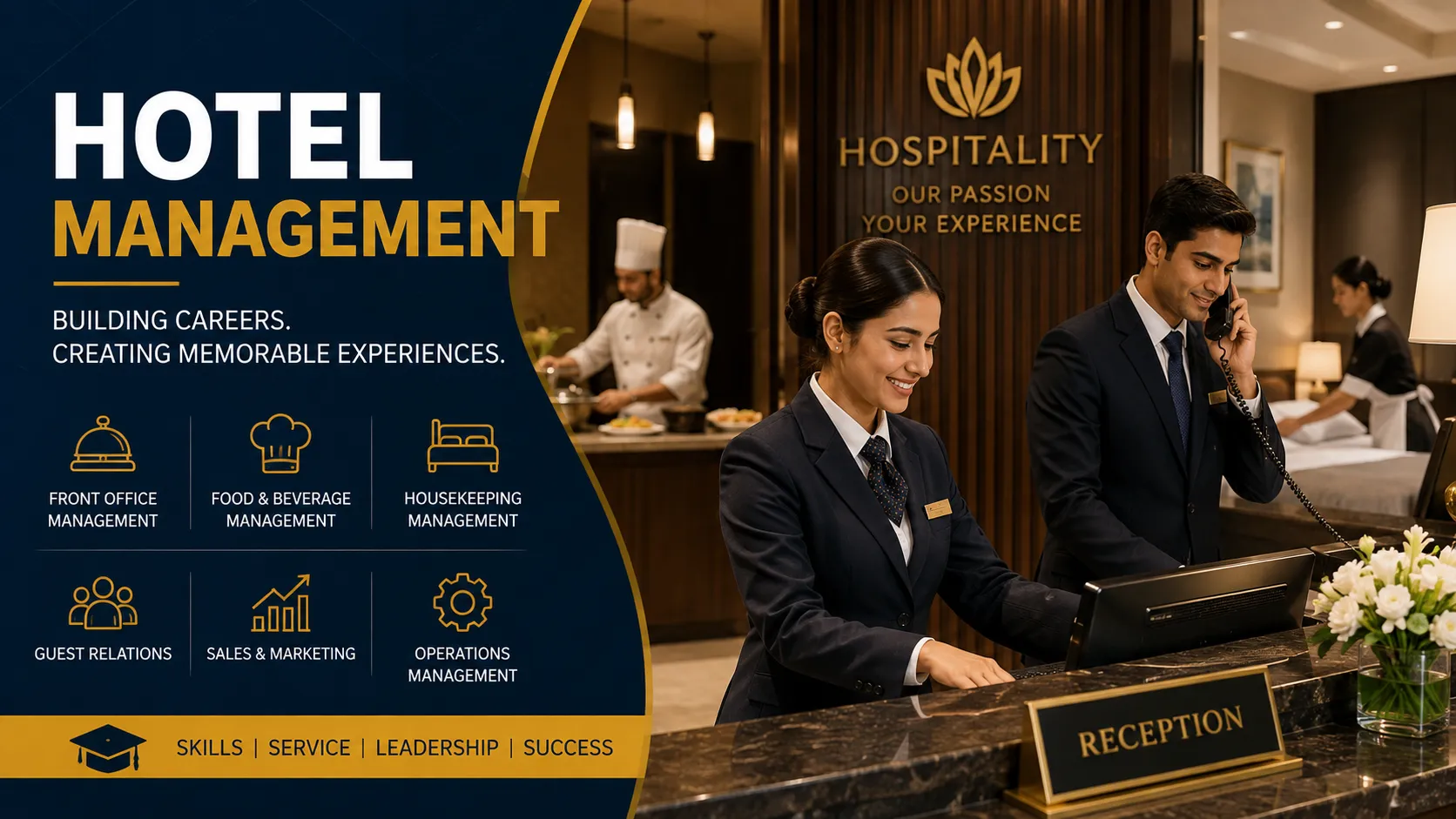

The global hospitality industry is one of the most dynamic, fast-paced, and rewarding sectors in the modern economy. As international travel expands and consumer expectations for premium experiences rise, the demand for well-trained hospitality professionals has never been higher. Hotel management is not merely about overseeing daily operations; it is an art and science that combines leadership, strategic business administration, guest service excellence, and cultural adaptability.
Entering this thriving field requires more than just enthusiasm. Professional training provides candidates with the structured knowledge and practical acumen necessary to excel in high-stakes environments. Aspiring professionals who enrol in reputed academic programs, such as those offered by the best hotel management college in udaipur, gain direct access to industry-aligned curricula, experiential learning modules, and valuable corporate networking opportunities. A solid foundation in hotel management equips individuals with versatile skills that translate seamlessly across international borders and diverse hospitality segments.
Core Operational Skills in Hospitality
At the heart of every successful hotel lies a foundation of core operational disciplines. Hotel management training programs break down these complex operations into distinct practical domains, ensuring students develop hands-on expertise before stepping into leadership roles.
First, front office operations serve as the primary touchpoint for guest relations. Trainees learn property management software, reservation handling, check-in protocols, and revenue optimization techniques. Mastering front office management ensures that a hotel's first impression is seamless, welcoming, and efficient.
Second, food and beverage service management represents a critical revenue stream and brand differentiator. Students undergo rigorous instruction in dining room etiquette, banquet planning, beverage management, and international culinary trends. Training focuses on both high-volume service efficiency and fine-dining sophistication.
Third, housekeeping and facility management maintain the structural and aesthetic standards of a property. Rigorous hygiene standards, inventory control, linen management, and environmental sustainability practices form the backbone of modern housekeeping modules. High standards in this area directly impact guest satisfaction and retention.
Finally, food production and kitchen management expose students to commercial kitchen setups, menu design, food safety standards, and cost control. Understanding culinary operations enables future hotel managers to bridge communication gaps between kitchen staff and front-of-house teams.
Vital Soft Skills and Guest Experience Management
While technical capabilities are indispensable, soft skills often define long-term career progression in hospitality leadership. Training institutions place immense focus on cultivating personal and interpersonal attributes that elevate guest experiences.
Effective communication and emotional intelligence are critical. Hotel managers must interact with guests from varied cultural and linguistic backgrounds while managing diverse internal teams. Training programs utilize role-playing scenarios and real-time conflict management exercises to refine verbal, non-verbal, and written communication capabilities.
Problem-solving under pressure is another vital skill. In a 24/7 service environment, unexpected challenges—from booking overlaps to emergency maintenance issues—arise continuously. Hotel management education teaches students to maintain composure, analyze situations logically, and implement swift, guest-centric solutions.
Furthermore, dynamic institutions like the best hotel management & aviation institute in jodhpur emphasize personal grooming, cross-cultural competence, and modern service etiquette. These refined personal attributes help graduates project confidence and professionalism in luxury hotels, resort chains, and international airlines.
Business Administration and Strategic Leadership
Modern hotel management extends beyond daily floor operations into strategic business administration. To manage a profitable hospitality enterprise, managers must possess strong business acumen.
Financial management and revenue strategy are core components of advanced hospitality training. Students learn how to interpret financial statements, manage operational budgets, analyze occupancy rates, and apply dynamic pricing strategies to maximize Average Daily Rate (ADR) and Revenue Per Available Room (RevPAR).
Marketing, branding, and digital reputation management have also become essential. Trainees examine how digital booking platforms, social media marketing, and guest feedback systems influence brand equity. Understanding modern marketing allows managers to position their properties effectively in competitive markets.
Human resource management and team leadership complete the strategic skillset. Developing leadership capabilities enables managers to recruit, train, motivate, and retain talented staff, fostering a positive workplace culture that translates into superior guest service delivery.
Career Opportunities and Professional Growth
Completing comprehensive hotel management training opens doors to a vast array of global career pathways. Graduates are not restricted solely to traditional hotel roles; their versatile skill set is highly valued across multiple service-oriented industries.
Career opportunities include luxury resort management, luxury cruise ship operations, event management, corporate catering, and airline hospitality service. Additionally, the entrepreneurial skills developed during hotel management studies empower ambitious professionals to launch their own boutique hotels, restaurants, or event planning agencies.
Continuous career growth is a hallmark of the hospitality sector. With dedication, practical experience, and a strong educational background, professionals can rapidly ascend from entry-level supervisory positions to department heads, general managers, and regional corporate executives.
Conclusion
A career in hotel management offers an exciting blend of global exposure, financial growth, and interpersonal fulfillment. However, achieving sustained success in this competitive industry requires formal training, rigorous skill development, and industry exposure. By pursuing specialized education at leading institutions, prospective hospitality leaders can build the confidence, knowledge, and operational proficiency required to thrive in the modern global market.

























Sign in to leave a comment.