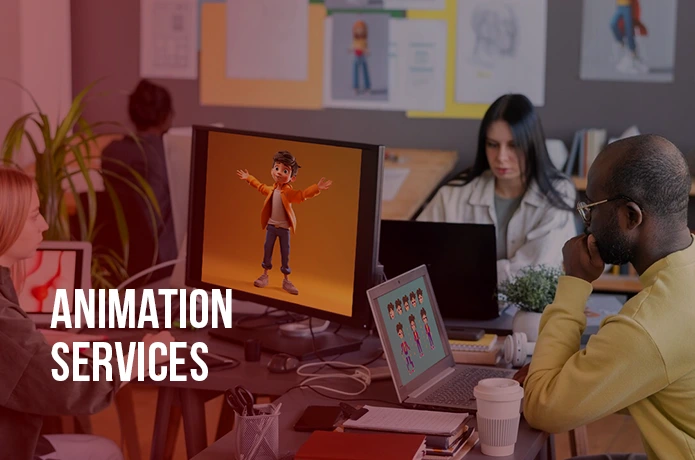

In a fast-paced digital world, where attention spans are shorter than ever, compelling visual storytelling has become the key to engagement. Whether you're a brand trying to reach customers, an educator simplifying complex topics, or a content creator building your online presence, animation is no longer just a creative add-on—it's a necessity.
Thanks to the rapid evolution of 2D animation software, the animation process has become more accessible, efficient, and innovative than ever before. Today, professionals and beginners alike are using powerful tools to create everything from short films to explainer videos and dynamic motion graphics—and the results are changing how we tell stories.
The Rise of 2D Animation Software
Gone are the days when animation required expensive equipment and a team of specialists. With the latest 2D animation software, high-quality animation is now within reach for solo creators, startups, and businesses of all sizes. Platforms like Adobe Animate, Toon Boom Harmony, OpenToonz, and Synfig Studio offer intuitive interfaces, pre-built assets, and advanced features like timeline editing, onion skinning, and automatic tweening.
These tools eliminate the technical barriers and empower creators to focus on storytelling, design, and message delivery.
Why 2D Animation Still Reigns
Despite the popularity of 3D and CGI, 2D animation continues to dominate for a few key reasons:
- Simplicity and clarity: 2D animation communicates ideas more directly, making it perfect for instructional content and marketing.
- Cost-effective production: It requires fewer resources than 3D animation while still delivering high visual impact.
- Creative flexibility: Artists can stylize characters and scenes to match a brand's tone, audience, or message.
These qualities have helped maintain 2D animation’s relevance, especially in business-driven formats like explainer videos and motion graphics.
Explainer Videos: The Perfect Marriage of Animation and Clarity
Explainer videos have become a staple in digital marketing strategies—and for good reason. These short, engaging videos are designed to explain a product, service, or idea quickly and clearly. They’re often used on landing pages, in email campaigns, and across social media platforms to convert curious viewers into loyal customers.
This is where 2D animation software shines.
With tools that allow animators to sync voiceovers, animate characters, and visualize abstract concepts, creating an effective explainer video is no longer a complex process. 2D animation allows for stylized storytelling that connects emotionally with viewers, helping them understand not just the “how,” but the “why” behind a product or service.
Motion Graphics: Turning Data into Drama
When most people think of animation, they picture cartoon characters or cinematic visuals. But motion graphics—the animation of text, shapes, and abstract visuals—play an equally important role in storytelling, especially in the corporate and tech sectors.
Motion graphics are perfect for:
- Presenting statistics and data
- Highlighting app features or UI demos
- Enhancing brand identity through animated logos
- Making presentations more engaging
With 2D animation software, creators can manipulate layers, add effects, and animate transitions in a matter of minutes. It’s a favorite technique for content that needs to be both professional and visually compelling.
For example, a fintech startup might use motion graphics to walk users through a new mobile app, combining clean visuals with smooth transitions to guide attention and build trust.
How 2D Animation Software Enhances the Creative Process
The features found in modern 2D animation software aren’t just about convenience—they actively improve creativity and collaboration. Here’s how:
1. Streamlined Workflow
Most software now supports layered editing, reusable assets, and smart rendering options, allowing teams to work faster and iterate quickly.
2. Built-In Templates and Assets
Tools often come with libraries of pre-animated icons, transitions, and character rigs, making it easier for creators to stay focused on the big picture: storytelling.
3. Integration with Other Design Tools
Animation software integrates seamlessly with tools like Adobe Illustrator or Photoshop, creating a smooth design-to-animation pipeline.
4. Cloud Collaboration
Cloud-based platforms allow multiple creators to work on the same project from anywhere in the world—a major plus for remote teams and freelance animators.
Choosing the Right Software
With so many options available, choosing the right 2D animation software depends on your needs, experience, and project type. Here’s a quick breakdown:
- Beginner-Friendly: Vyond, Animaker, or Moovly (drag-and-drop interfaces, perfect for marketers)
- Professional/Studio Use: Toon Boom Harmony, Adobe Animate (used in commercial animation and television)
- Open Source: OpenToonz, Synfig Studio (free alternatives for indie creators and small teams)
Whether you're creating a motion graphics presentation or a character-driven explainer video, the software you choose should empower your vision—not limit it.
Final Thoughts
Visual storytelling is no longer a niche skill—it's a cornerstone of digital communication. And with the right 2D animation software, anyone can become a storyteller.
Whether you’re building product demos, engaging your audience through motion graphics, or simplifying complex ideas with explainer videos, 2D animation helps you say more, more memorably.
Animation services is no longer just art—it’s strategy. And in a world overflowing with content, it's the creators who master the tools of animation that will rise above the noise.























Sign in to leave a comment.