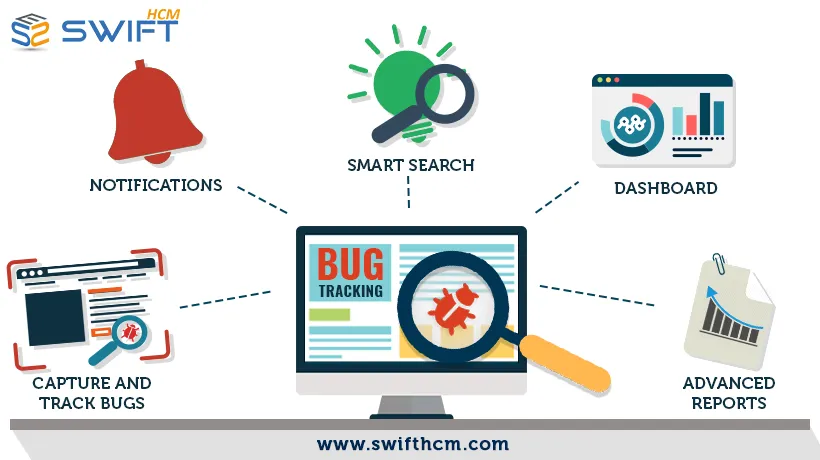

In today’s fast-paced digital learning environment, maintaining flawless platforms and seamless user experiences is critical. A bug tracker plays a central role in identifying, managing, and resolving issues efficiently, especially for eLearning teams handling complex courseware and LMS platforms. As organizations scale their training initiatives, cloud-based solutions are becoming the preferred choice for improving productivity, collaboration, and overall development efficiency.
Why Are eLearning Teams Switching to Cloud-Based Bug Tracking Tools?
eLearning development involves multiple stakeholders—designers, developers, QA testers, and project managers—often working across different locations. Traditional issue tracking methods can slow down workflows and create communication gaps.
A cloud-based bug tracking system eliminates these bottlenecks by offering:
- Real-time access to bug reports and updates
- Centralized issue tracking for distributed teams
- Faster communication between stakeholders
- Seamless integration with development and LMS platforms
This shift is not just about convenience—it directly impacts how quickly and effectively teams can deliver high-quality learning solutions.
How Does a Cloud-Based Bug Tracker Improve Team Collaboration?
One of the biggest productivity challenges in eLearning projects is miscommunication. When bugs are reported through emails or spreadsheets, critical details often get lost.
A modern bug tracking tool enhances collaboration by:
- Providing a single source of truth for all issues
- Allowing team members to comment, tag, and assign tasks instantly
- Enabling real-time notifications and status updates
- Supporting file attachments like screenshots and screen recordings
This ensures everyone stays aligned, reducing confusion and unnecessary back-and-forth communication.
Can a Bug Tracker Reduce Time Spent on Issue Resolution?
Yes—and significantly so. Time efficiency is a key driver of productivity, and cloud-based bug tracking software is designed to streamline the entire issue resolution process.
Here’s how:
- Automated workflows assign bugs to the right team members
- Priority tagging ensures critical issues are addressed first
- Status tracking provides visibility into progress
- Historical data helps identify recurring issues
By reducing manual effort and eliminating delays, teams can resolve bugs faster and focus on delivering quality eLearning content.
What Features Make a Cloud-Based Bug Tracker Essential for Productivity?
Not all tools are created equal. The effectiveness of a bug tracking system depends on the features it offers.
High-performing teams typically rely on tools with:
- Customizable dashboards for tracking project health
- Advanced reporting and analytics for performance insights
- Integration capabilities with LMS, authoring tools, and project management software
- Role-based access control for secure collaboration
- Mobile accessibility for managing tasks on the go
These features ensure that teams not only track bugs but also gain actionable insights to improve future performance.
How Does Cloud-Based Bug Tracking Support Remote eLearning Teams?
Remote work is now a standard in the eLearning industry. Managing distributed teams requires tools that offer flexibility and accessibility.
Cloud-based bug tracking solutions support remote teams by:
- Allowing access from any device with an internet connection
- Enabling asynchronous communication across time zones
- Providing cloud storage for all issue-related data
- Ensuring data security and regular backups
This flexibility empowers teams to work efficiently regardless of location, boosting overall productivity.
Does a Bug Tracker Improve Quality Assurance in eLearning Projects?
Quality assurance is critical in eLearning, where even minor issues can disrupt the learner experience. A robust issue tracking system enhances QA processes by introducing structure and consistency.
Key benefits include:
- Standardized bug reporting formats
- Clear documentation of issues and resolutions
- Better tracking of testing cycles
- Improved accountability across teams
With a systematic approach to QA, teams can ensure higher-quality deliverables and fewer post-launch issues.
How Can a Bug Tracker Help Reduce Development Costs?
Inefficient workflows and unresolved bugs can lead to costly delays. A cloud-based bug tracking tool helps reduce development costs by optimizing resource utilization.
It achieves this by:
- Minimizing rework through early bug detection
- Improving team efficiency with automated processes
- Reducing downtime caused by unresolved issues
- Enhancing planning with data-driven insights
Over time, these efficiencies translate into significant cost savings for organizations.
What Role Does Data and Analytics Play in Bug Tracking?
Modern bug tracking systems go beyond simple issue logging—they provide valuable data that can drive continuous improvement.
Analytics features help teams:
- Identify patterns in recurring bugs
- Measure team performance and response times
- Optimize workflows for better efficiency
- Make informed decisions for future projects
This data-driven approach ensures that productivity improvements are sustainable and scalable.
Why Choose Swift eLearning Services for Cloud-Based Bug Tracking?
For organizations looking to enhance their eLearning development processes, Swift eLearning Services offers a robust cloud-based bug tracking solution tailored to modern team needs.
With a focus on usability, scalability, and seamless integration, the platform enables:
- Efficient issue management across eLearning projects
- Enhanced collaboration between cross-functional teams
- Faster turnaround times for course development
- Reliable performance for large-scale training programs
By leveraging a purpose-built solution, organizations can align their technical workflows with their learning objectives more effectively.
Final Thoughts: Is a Cloud-Based Bug Tracker Worth It?
The answer is clear—yes. In a competitive eLearning landscape, productivity is not just about working faster but working smarter. A cloud-based bug tracking system empowers teams to streamline workflows, improve communication, and deliver high-quality learning experiences consistently.
As eLearning projects continue to grow in complexity, investing in the right tools becomes essential. A well-implemented bug tracker doesn’t just fix problems—it transforms how teams collaborate, innovate, and succeed.
























Sign in to leave a comment.