
In today’s tech-savvy world, schools are continuously evolving to create safer, more efficient, and distraction-free learning environments. One area seeing major transformation is student movement management—traditionally handled with paper hall passes, verbal permissions, and inconsistent tracking.
Enter the electronic hall pass system: a modern solution designed to streamline student movement, reduce classroom disruptions, and enhance campus security. When integrated with broader tools like a school visitor management system, it becomes a powerful way to monitor who is where—and why—at any given time.
This blog explores how digital hall pass systems are reshaping the student experience, supporting teachers, and strengthening school safety.
1. What Is an Electronic Hall Pass System?
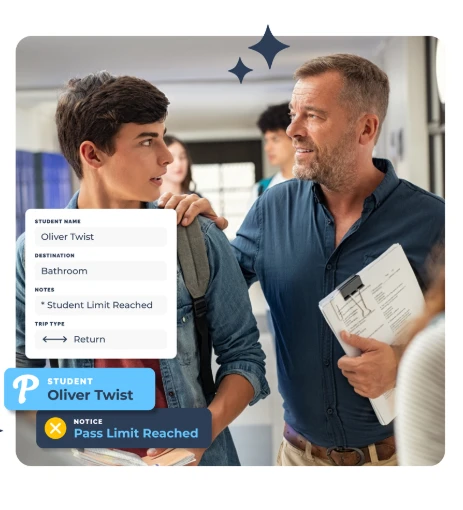
An electronic hall pass system replaces traditional paper-based passes with a digital platform. Students request to leave class (e.g., to use the restroom, visit the nurse, or go to the library) through a web portal or mobile app. Teachers approve these requests, and all movement is logged in real time.
Key components include:
- Digital pass requests from student devices
- Real-time approvals by teachers or staff
- Central dashboard showing all active passes
- Automated time limits and movement rules
- Pass history and student usage analytics
2. The Challenges with Traditional Hall Passes
Most schools still use handwritten notes or laminated cards for hallway movement. While simple, these methods have several downsides:
- No real-time visibility into which students are out of class
- Lost or damaged passes, leading to confusion
- Repeat misuse by students who frequently leave class
- Difficulty enforcing policies like “one student out at a time”
- No analytics or reporting to support discipline or safety reviews
Traditional passes simply can’t support modern safety expectations or data-informed decision-making.
3. Benefits of a Digital Hall Pass System
✅ Improved Classroom Focus and Instruction Time
With a digital hall pass, teachers spend less time writing or managing passes and more time teaching. It also discourages unnecessary requests, helping students stay engaged in class.
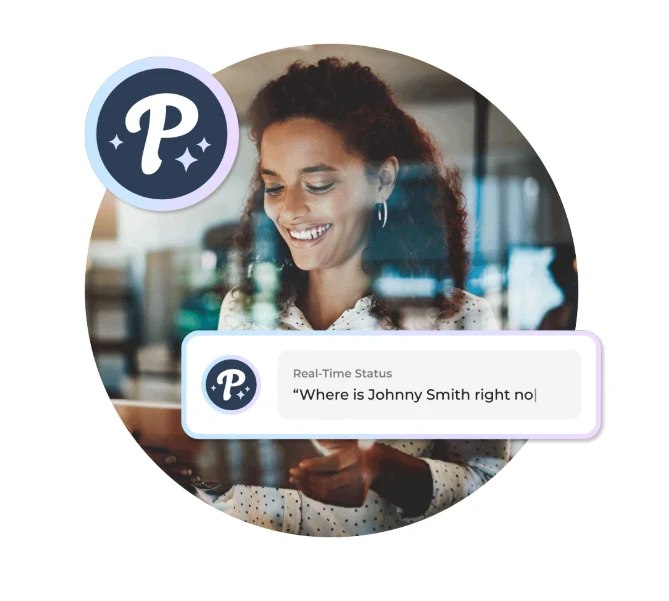
✅ Real-Time Student Visibility
At any moment, administrators and teachers can see:
- Who is out of class
- Where they’re headed
- How long they’ve been gone
- Which teacher approved the pass
This real-time visibility enhances accountability and prevents wandering or misuse.
✅ Custom Rules and Permissions
Schools can define rules like:
- Max number of students out per hallway
- Specific times when hall passes are restricted
- Destinations allowed based on student needs
This gives schools more control while keeping the system flexible.
✅ Automated Time Limits and Alerts
Passes can automatically expire after a set time (e.g., 7 minutes for the restroom). If a student exceeds this, the system can alert staff for follow-up.
✅ Student Data and Behavior Insights
The system logs every pass—time, duration, destination, frequency. Over time, schools gain data to:
- Identify students frequently out of class
- Spot patterns linked to behavioral or academic concerns
- Adjust policies based on real hallway usage trends
4. Integration with School Visitor Management Systems
Combining a digital hall pass with a school visitor management system creates a unified view of all non-classroom movement on campus.
Benefits of integration include:
- One dashboard to view students, staff, and visitor movement
- Improved safety in emergencies—know exactly who is where
- Reduced front office traffic—students don’t need to stop by for paper passes
- Compliance with school safety policies and audit requirements
For example, if a student is headed to the nurse and a visitor is arriving in the same hallway, administrators can plan accordingly.
5. Impact on School Culture and Discipline
When students know their movement is tracked digitally, they’re less likely to abuse pass privileges. Teachers report fewer disruptions, and time spent out of class often drops significantly.
Schools using digital systems have seen:
- 30–50% reduction in hallway loitering
- Improved punctuality
- Better student-teacher trust, as policies become consistent
- Increased awareness of time spent learning versus time lost
A culture of accountability grows—and students feel more engaged.
6. Considerations for Choosing the Right System
When evaluating electronic hall pass systems, look for:
- Ease of use for teachers and students
- Mobile compatibility on phones or tablets
- Real-time dashboards for staff
- Custom rules and settings
- Integration with existing systems (attendance, visitor management, security)
- Reliable support and training
Bonus: Some systems allow integration with RFID tags or student ID scanning for even faster use.
7. Implementation Tips
Ready to adopt a digital hall pass system? Here’s a basic implementation plan:
✅ Step 1: Define Goals
Decide what problems you want to solve—e.g., reduce hallway disruptions, increase time in class, or improve safety tracking.
✅ Step 2: Start Small
Pilot the system in one grade or building. Gather feedback and refine your process.
✅ Step 3: Train Staff and Students
Provide training on how to request, approve, and monitor passes. Set clear rules.
✅ Step 4: Monitor & Adjust
Use dashboards to track usage. If certain students are frequently out of class, investigate why and offer support.
8. Real-Life Example
At one mid-sized high school, teachers reported frequent disruptions from students constantly asking for hall passes. After introducing an electronic hall pass system:
- The number of hallway incidents dropped by 45%
- Teachers saved an average of 10 minutes per class period
- The admin team used data to support behavior interventions for at-risk students
- Integration with their visitor management system helped ensure no overlap between student traffic and external guests
The result? Smoother class sessions, fewer disciplinary referrals, and a safer, more efficient campus.
FAQ: Digital Hall Pass Systems
Q1. What is the purpose of an electronic hall pass system?
It digitally tracks student movement during class time to improve safety, reduce disruptions, and ensure accountability.
Q2. Can students misuse the digital system?
Not easily. Time limits, approval requirements, and admin oversight reduce chances of misuse.
Q3. How does it connect with school visitor management systems?
Some systems can integrate so that all movement—student and visitor—is visible on one platform. This improves safety and coordination.
Q4. Is it easy to use for younger students?
Yes. Many platforms are designed for simplicity, using icons or one-click approval systems that are easy for all ages.
Q5. What happens if internet goes down?
Some systems offer offline functionality or data caching to prevent disruptions.
Conclusion
A digital hall pass system is more than a tech upgrade—it’s a shift in how schools manage student time, safety, and accountability. By giving staff real-time insight into student movement and reducing classroom interruptions, schools can reclaim valuable instructional time and foster a culture of responsibility.
When paired with a school visitor management system, the entire campus becomes smarter, safer, and more responsive. It’s time to leave paper passes behind and step into a more organized, secure future for student movement.






























Sign in to leave a comment.