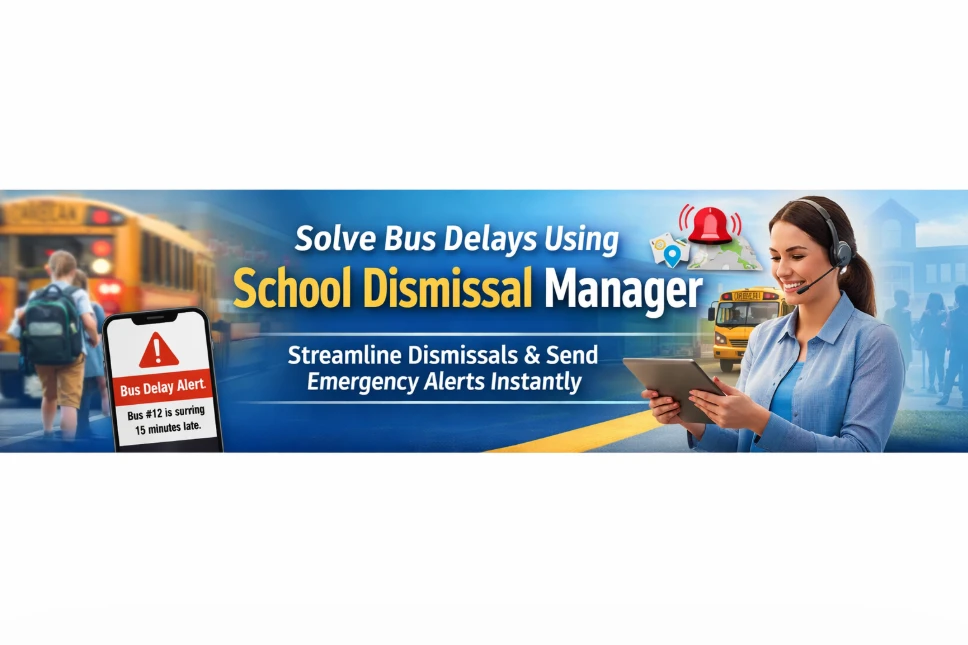

School transportation is one of the most complex daily operations in K–12 education. From coordinating multiple buses and routes to ensuring student safety and timely pickups, schools often struggle with delays that frustrate parents, staff, and students alike. Bus delays can be caused by traffic congestion, miscommunication, weather conditions, or inefficient dismissal processes. However, with the right technology in place, schools can significantly reduce these delays. A School Dismissal Manager combined with an emergency alert system for schools offers a powerful solution to streamline operations, improve communication, and ensure a smooth dismissal process.
Understanding the Challenge of Bus Delays
Bus delays are not just an inconvenience—they can disrupt the entire school ecosystem. Parents worry when buses are late, administrators face complaints, and students may be left waiting in unsafe conditions. Traditional dismissal systems rely heavily on manual processes, such as paper lists, walkie-talkies, or verbal communication. These outdated methods increase the likelihood of errors and delays.
Some common causes of bus delays include:
- Lack of real-time visibility into student dismissal status
- Inefficient coordination between teachers and transportation staff
- Traffic or weather-related disruptions without timely communication
- Confusion about student pickup changes
Without a centralized system, managing these variables becomes overwhelming.
What Is a School Dismissal Manager?
A School Dismissal Manager is a digital solution designed to automate and optimize the student dismissal process. It enables schools to manage how students leave campus—whether by bus, car pickup, or walking—through a centralized platform.
This system allows administrators, teachers, and parents to stay connected in real time. It tracks student dismissal preferences, updates changes instantly, and ensures that students are directed to the correct bus or pickup location without confusion.
How a School Dismissal Manager Reduces Bus Delays
1. Real-Time Student Tracking
One of the biggest advantages of a School Dismissal Manager is real-time tracking. Staff can instantly see which students are assigned to which buses and whether they have boarded. This eliminates guesswork and ensures buses don’t leave without assigned students.
Real-time visibility helps:
- Prevent missed buses
- Reduce waiting times
- Ensure accurate attendance during dismissal
2. Streamlined Communication
Miscommunication is a major cause of delays. A School Dismissal Manager integrates with an emergency alert system for schools to send instant notifications to staff and parents.
For example:
- If a bus is running late, parents receive immediate alerts
- Staff can coordinate internally without relying on manual updates
- Last-minute changes in pickup mode can be communicated instantly
This seamless communication reduces confusion and keeps everyone informed.
3. Automated Dismissal Processes
Manual dismissal processes are prone to errors and inefficiencies. With automation, schools can:
- Pre-assign students to buses
- Automatically update attendance as students board
- Generate digital rosters for drivers
Automation reduces administrative workload and ensures a smoother flow of students during dismissal.
4. Improved Traffic Management
Bus delays are often caused by congestion in school pickup zones. A School Dismissal Manager helps organize dismissal in a structured way by staggering bus departures and coordinating with car pickups.
Benefits include:
- Reduced congestion on campus
- Faster bus departures
- Safer environment for students
By optimizing traffic flow, schools can minimize delays significantly.
5. Instant Updates for Route Changes
Unexpected situations like road closures or weather conditions can disrupt bus routes. With an integrated emergency alert system for schools, administrators can quickly notify drivers and parents about route changes.
This ensures:
- Parents are aware of new drop-off times
- Drivers receive updated instructions instantly
- Students are not left stranded
Enhancing Safety Alongside Efficiency
Reducing delays is important, but student safety is the top priority. A School Dismissal Manager enhances safety in several ways:
- Ensures students board the correct bus
- Maintains digital records of dismissal
- Provides real-time updates to parents
- Reduces crowding and confusion during dismissal
When combined with an emergency alert system for schools, it also enables quick responses during emergencies such as severe weather or security incidents.
Benefits for Schools, Parents, and Staff
For Schools
- Improved operational efficiency
- Reduced administrative burden
- Better coordination between departments
For Parents
- Real-time notifications about bus status
- Increased confidence in student safety
- Transparency in dismissal processes
For Staff
- Simplified workflows
- Less manual coordination
- Better control over dismissal operations
Implementing a School Dismissal Manager Successfully
To maximize the benefits, schools should follow a strategic approach when implementing a School Dismissal Manager:
1. Assess Current Challenges
Identify pain points in the existing dismissal process, such as delays, communication gaps, or safety concerns.
2. Train Staff and Drivers
Ensure that teachers, administrators, and bus drivers understand how to use the system effectively.
3. Communicate with Parents
Educate parents about how the system works and how they will receive updates through the emergency alert system for schools.
4. Monitor and Optimize
Continuously evaluate the system’s performance and make improvements based on feedback.
The Role of Technology in Modern School Transportation
Technology is transforming how schools manage daily operations. A School Dismissal Manager is no longer a luxury—it is a necessity for schools aiming to improve efficiency and safety.
By integrating features like real-time tracking, automated workflows, and an emergency alert system for schools, these solutions address the root causes of bus delays. They provide a data-driven approach to managing transportation and ensure that schools can adapt to changing needs.
Future of School Dismissal Systems
As schools continue to adopt digital solutions, the future of dismissal management looks promising. Advanced features such as AI-based route optimization, predictive analytics for delays, and deeper integration with transportation systems will further enhance efficiency.
Schools that invest in modern dismissal systems today will be better prepared to handle future challenges and provide a safer, more efficient experience for students and parents.
Conclusion
Bus delays can create significant challenges for schools, but they are not unavoidable. By implementing a School Dismissal Manager and integrating it with an emergency alert system for schools, institutions can streamline their dismissal processes, improve communication, and enhance student safety.
These systems provide real-time visibility, automate workflows, and ensure that everyone—from staff to parents—is informed and aligned. The result is a smoother, faster, and more reliable transportation process that benefits the entire school community.
FAQs
1. What is a School Dismissal Manager?
A School Dismissal Manager is a digital tool that helps schools organize and manage how students leave campus, including bus pickups, car riders, and walkers, in a safe and efficient manner.
2. How does a School Dismissal Manager reduce bus delays?
It provides real-time tracking, automates dismissal workflows, improves communication, and helps manage traffic flow, all of which contribute to reducing delays.
3. What is the role of an emergency alert system for schools in transportation?
An emergency alert system for schools enables instant communication with parents, staff, and drivers about delays, route changes, or emergencies, ensuring timely updates and improved coordination.
4. Can parents track bus delays in real time?
Yes, most School Dismissal Manager systems offer real-time notifications and updates, allowing parents to stay informed about bus schedules and delays.
5. Is it difficult to implement a School Dismissal Manager?
With proper planning, training, and communication, schools can implement these systems smoothly and start seeing benefits quickly.
6. How does it improve student safety?
It ensures students are matched with the correct transportation method, reduces confusion during dismissal, and provides real-time updates to parents and staff.
7. Can it handle last-minute changes in pickup plans?
Yes, parents and administrators can update dismissal preferences instantly, and the system reflects those changes in real time.
8. Is a School Dismissal Manager suitable for all school sizes?
Yes, these systems are scalable and can be customized to meet the needs of small, medium, and large schools.




























Sign in to leave a comment.