

Ensuring student safety doesn’t end when an emergency occurs—it extends to how schools reunite students with their families afterward. Whether it’s a weather-related closure, security threat, or medical emergency, having a structured reunification plan for schools is critical.
Without a clear plan, dismissal during emergencies can quickly become chaotic, leading to confusion, delays, and potential safety risks. Today, schools are turning to digital tools—like a digital hall pass for schools and reunification management systems—to streamline this process and ensure a safe, organized outcome.
This guide walks you through everything schools need to know about effective parent-student reunification.
What Is a Reunification Plan for Schools?
A reunification plan for schools is a structured procedure designed to safely return students to their parents or authorized guardians following an emergency.
It outlines:
- Where reunification will take place
- How students will be released
- How guardians will be verified
- How communication will be handled
A well-prepared plan minimizes confusion and ensures that every student is accounted for during the process.
Why Reunification Planning Is Essential
1. Ensures Student Safety
The primary goal of reunification is to ensure that students are released only to authorized individuals in a controlled environment.
2. Reduces Chaos and Confusion
During emergencies, emotions run high. A clear plan helps staff and parents stay calm and follow structured procedures.
3. Improves Accountability
With proper documentation and tracking, schools can maintain records of who picked up each student and when.
4. Builds Parent Trust
Parents feel more confident knowing the school has a reliable system in place to protect their children.
Key Components of an Effective Reunification Plan
Designated Reunification Site
Schools should identify a safe and accessible location—on-campus or off-site—where reunification will occur.
Student Release Protocols
Clearly define how students will be called, escorted, and released to guardians.
Guardian Verification Process
Verification is crucial. Schools should:
- Check IDs
- Maintain authorized pickup lists
- Use digital verification systems where possible
Communication Strategy
Use an emergency alert system to inform parents about:
- Reunification location
- Pickup instructions
- Required identification
Staff Roles and Responsibilities
Assign specific roles to staff members, such as:
- Check-in coordinators
- Student runners
- Verification officers
Role of Technology in Reunification
Modern schools are increasingly adopting digital solutions to enhance reunification efforts.
Digital Tracking Systems
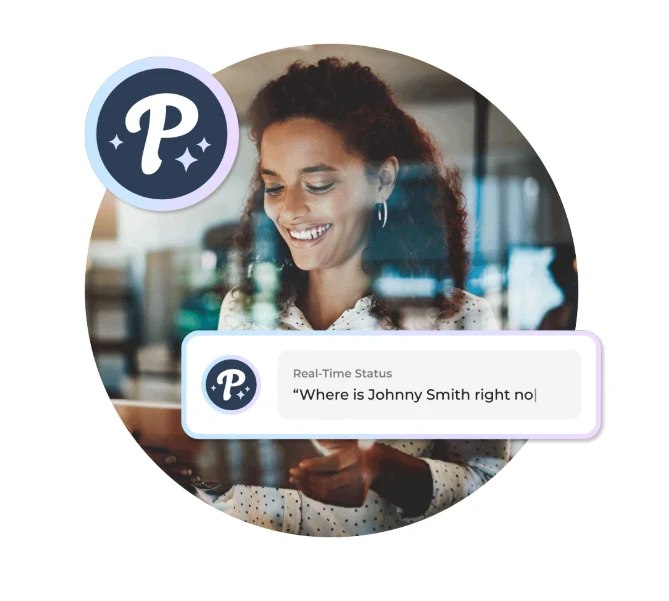
Digital tools help track each student’s status in real time, reducing errors and delays.
Integration with Digital Hall Pass for Schools
A digital hall pass for schools can play an important role during emergencies by:
- Tracking student movement within the building
- Identifying where students were last located
- Assisting in quick headcounts and accountability
This ensures no student is overlooked during evacuation or reunification.
Automated Parent Notifications
Digital systems send instant updates to parents, keeping them informed throughout the process.
Step-by-Step Reunification Process
Step 1: Activate Emergency Protocols
Once an emergency occurs, initiate the reunification plan and notify staff and parents.
Step 2: Move Students to Safe Areas
Ensure all students are accounted for and relocated to designated safe zones.
Step 3: Set Up Reunification Site
Prepare check-in and student release stations at the chosen location.
Step 4: Parent Check-In
Parents arrive and check in using identification. Digital systems can speed up this process.
Step 5: Student Verification and Release
Staff verify guardian authorization before releasing the student.
Step 6: Record Keeping
Maintain logs of all student releases for accountability and future reference.
Benefits of a Digital Reunification Approach
Faster Process
Automation reduces wait times and speeds up student release.
Improved Accuracy
Digital records minimize human error and ensure correct student-guardian matching.
Enhanced Communication
Real-time updates keep parents informed and reduce anxiety.
Better Security
Digital verification ensures that only authorized individuals can pick up students.
Common Challenges and How to Overcome Them
Challenge: Long Wait Times
Solution: Use digital check-in systems to streamline the process.
Challenge: Miscommunication
Solution: Rely on centralized communication tools instead of manual updates.
Challenge: Unauthorized Pickups
Solution: Implement strict verification protocols and digital authorization lists.
Challenge: Student Accountability
Solution: Use tools like a digital hall pass for schools to track student locations.
Best Practices for Schools
- Conduct regular reunification drills
- Keep guardian contact information updated
- Train staff on emergency protocols
- Use technology to automate processes
- Communicate clearly and consistently
Why Choose Pikmykid?
Pikmykid offers a comprehensive platform that supports both reunification plan for schools and tools like a digital hall pass for schools, helping institutions manage emergencies more effectively.
With Pikmykid, schools can:
- Digitally track student movement and status
- Communicate instantly with parents
- Verify guardians securely
- Streamline the reunification process
This integrated approach ensures safety, efficiency, and peace of mind for both schools and families.
Conclusion
A well-designed reunification plan for schools is essential for ensuring student safety during emergencies. By combining structured procedures with modern tools like a digital hall pass for schools, schools can create a seamless and secure reunification process.
Solutions like Pikmykid empower schools to handle emergencies with confidence, ensuring that every student is safely reunited with their family in a timely and organized manner.
FAQs
1. What is a reunification plan for schools?
It is a structured process that ensures students are safely released to authorized guardians after an emergency.
2. Why is reunification planning important?
It helps maintain safety, reduces confusion, and ensures accountability during emergency situations.
3. How does a digital hall pass for schools help in emergencies?
It tracks student movement, helping staff quickly locate students and ensure everyone is accounted for.
4. What information do parents need during reunification?
Parents need details about the location, timing, and identification requirements for pickup.
5. How can schools improve reunification efficiency?
By using digital tools, conducting drills, and maintaining clear communication protocols.
6. Can technology replace manual reunification processes?
Yes, digital systems significantly improve speed, accuracy, and security compared to manual methods.
7. How does Pikmykid support reunification?
Pikmykid provides tools for communication, tracking, and verification, ensuring a smooth and secure reunification process.


























Sign in to leave a comment.