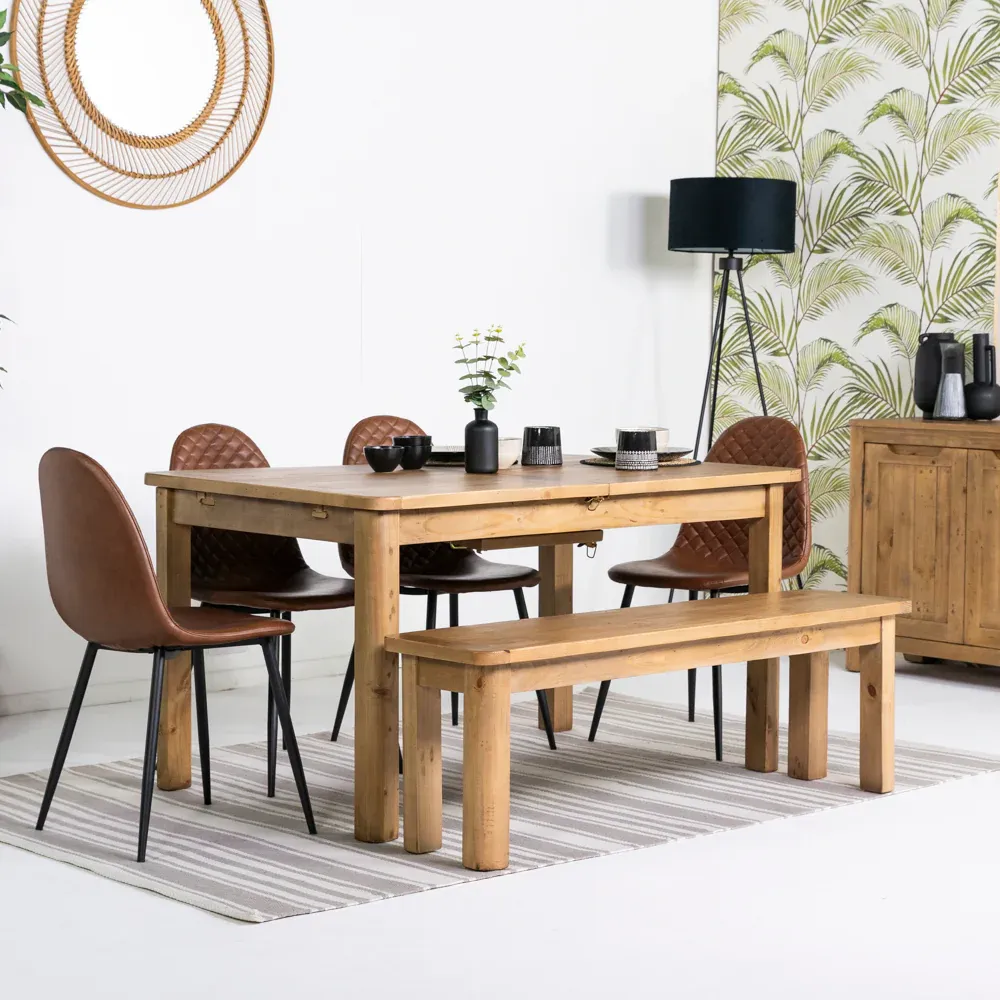

Making the most of your home often comes down to choosing furniture that can adapt to real life. Many households deal with the same frustrations: a dining table that feels too large on ordinary days, too small when guests arrive, or too bulky in rooms where every inch matters. In modern homes, dining areas are no longer used just for meals—they often double as workspaces, homework stations, hobby zones, and social spaces.
That is why a dining table with extensions has become one of the smartest solutions for everyday living. It gives you the flexibility of a larger table only when you need it, while keeping your room open and functional the rest of the time. Extendable tables are widely recommended for homes that need adaptable furniture and better use of space.
The Problem: Too Big or Too Small
A fixed dining table usually forces a compromise. If you choose a large one, the room can feel crowded and difficult to move around in. If you choose a smaller one, family dinners may be fine, but hosting friends or relatives becomes stressful.
An extending table removes that trade-off. In its compact form, it suits everyday routines like breakfast, coffee, reading, or remote work. When more people need a seat, the extension leaves create extra surface space in minutes. Many modern designs can shift from seating four people to six or eight with minimal effort.
A Better Fit for Smaller Homes
Space-saving furniture is no longer just a trend—it is a necessity for many households. Flats, open-plan layouts, and smaller dining rooms need pieces that do more without taking over the room.
Because an extending table stays smaller most of the time, it frees up floor space for movement, storage, or other daily activities. Interior guides consistently recommend leaving enough clearance around tables so chairs can move comfortably and walkways stay open. A flexible table makes that much easier to achieve.
For homes where the dining room blends into the kitchen or living area, this can make the entire layout feel calmer and less cluttered.
Perfect for Modern Multi-Use Living
Today’s dining table often works harder than ever before. It may host lunch at noon, become a laptop desk in the afternoon, and turn into a dinner setting in the evening.
That shift toward multifunctional rooms is one reason extendable furniture continues to grow in popularity. Rather than buying separate pieces for every task, homeowners are choosing furniture that adapts as the day changes. Design experts in 2026 continue to highlight dining rooms as practical, personality-filled spaces that need flexible furniture choices.
A dining table with extensions supports that lifestyle perfectly.
Hosting Without the Hassle
Many people avoid inviting guests simply because they do not have enough seating or surface space. Pulling in random side tables or balancing plates in cramped conditions can make entertaining feel more stressful than enjoyable.
With an extending table, you are always prepared. Expand it for birthdays, celebrations, holiday meals, or casual dinners with friends, then return it to its everyday size afterward. Community discussions also regularly praise extendable tables for handling occasional larger gatherings without permanently occupying extra room.
That means your home stays practical every day while remaining ready for special occasions.
Style That Works Long-Term
Practical furniture should still look beautiful. The good news is extendable tables are available in styles that suit almost any interior—from rustic farmhouse to sleek contemporary.
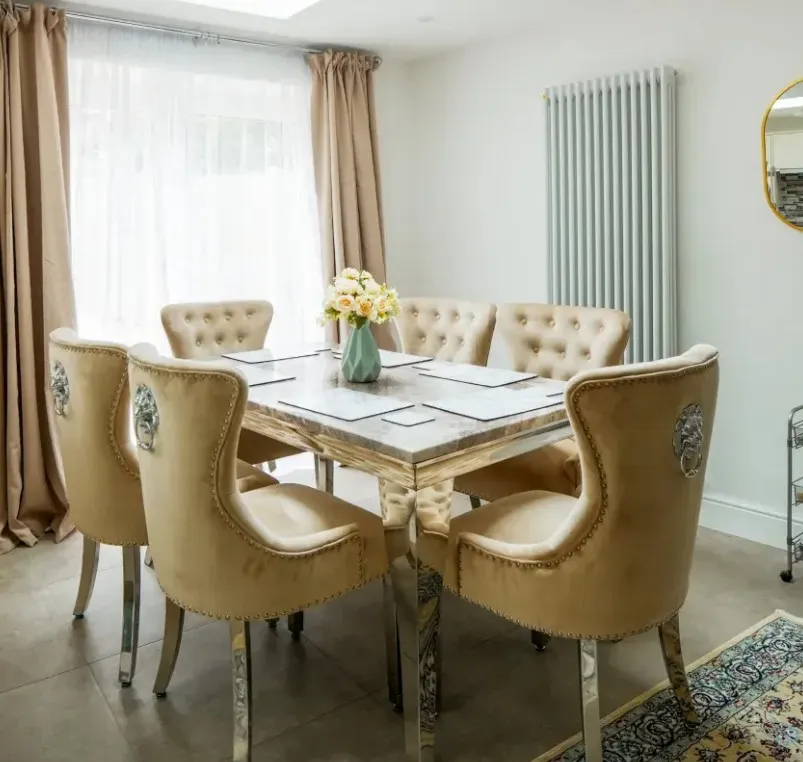
Wood finishes remain especially popular because they add warmth and timeless character. Round extending tables soften angular rooms, while rectangular designs suit longer spaces. Reclaimed wood options bring texture and individuality, helping a room feel curated rather than mass-produced.
Current interior trends also favour natural materials, warm tones, and furniture with lasting value over fast-furniture replacements. A quality extendable table fits naturally into that movement.
Smart Buying Advice
If you are shopping for a dining table with extensions, keep these points in mind:
Measure the Room Fully
Check dimensions when the table is both closed and extended. Many buyers measure only the smaller size and forget the opened footprint.
Choose a Reliable Mechanism
Butterfly leaves, centre leaves, and telescopic runners all work well when built properly. Look for smooth movement and solid locking support.
Think About Seating Needs
How many people use it daily, and how many do you host occasionally? Buy for both scenarios.
Prioritise Durable Materials
Solid wood or quality engineered construction can provide better longevity and stability.
Match Your Lifestyle
If the table will also be used for work or studying, choose a finish that is easy to maintain and spacious enough for multiple uses.
Bonus Tip for Compact Rooms
If your home has limited square footage, pair your dining setup with equally practical furniture elsewhere. A well-designed corner office table can turn an unused corner into a productive workspace while keeping your main living area open and organised.
This combination helps smaller homes feel more efficient without sacrificing comfort or style.
Final Thoughts
The best furniture solves everyday problems while still looking good for years to come. A dining table with extensions does exactly that. It saves space, adapts to changing needs, supports modern multi-use living, and makes hosting easier whenever guests arrive.
Whether you live in a compact flat or a busy family home, it offers a practical balance between flexibility and design. If your current table feels like a compromise, upgrading to an extendable option could be one of the smartest changes you make.




















Sign in to leave a comment.