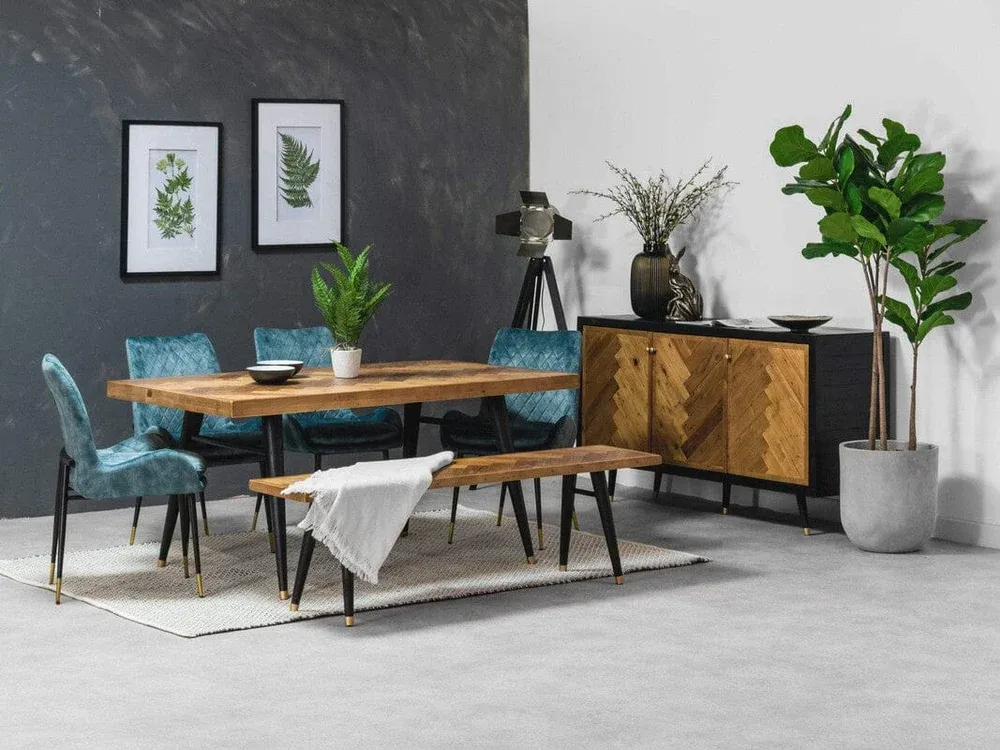

Dining chairs are often treated as an afterthought, but they can have a significant impact on the comfort and appearance of a dining room. The right chairs should work with the table, provide adequate support and suit the way your household uses the space.
Whether you are replacing old chairs or furnishing a completely new dining area, there are several factors worth considering before making your decision.
Start With the Dining Table
Before choosing chairs, consider the table they will accompany. The height of the tabletop, its width and the available space around it all influence the type of seating that will work best.
There should be enough room beneath the table for diners to sit comfortably. The chairs should also be able to slide beneath the table when not in use.
If you already own the table, measure its height before buying new chairs. This simple step can help avoid compatibility problems.
Consider Your Number of Seats
Think about how many people normally use the dining area.
Some households only need four chairs for everyday meals, while others require six or more seats. If you regularly host guests, you may need additional flexibility.
For homeowners shopping for dining chairs UK, it can be useful to compare different chair styles, materials and configurations before deciding what best suits the room.
Mix Chairs With Other Seating
Dining furniture does not always need to consist of identical chairs around every side of the table.
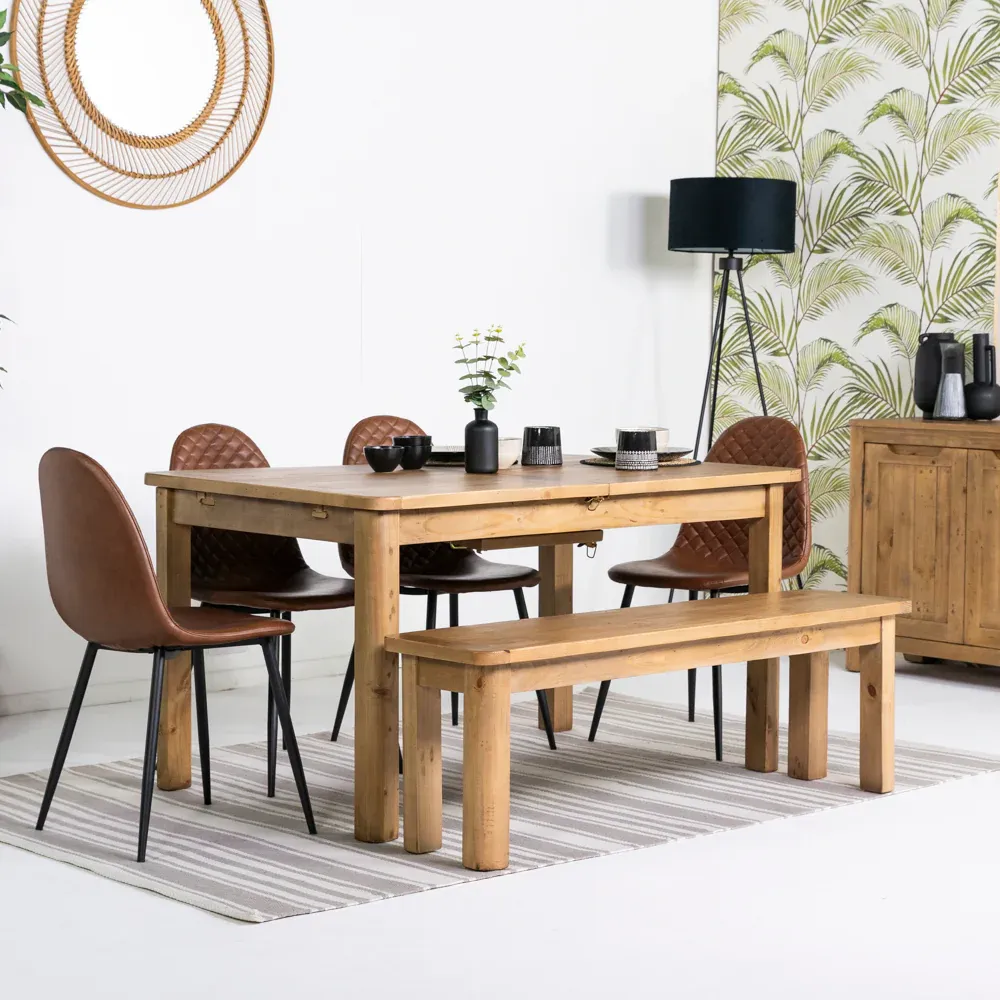
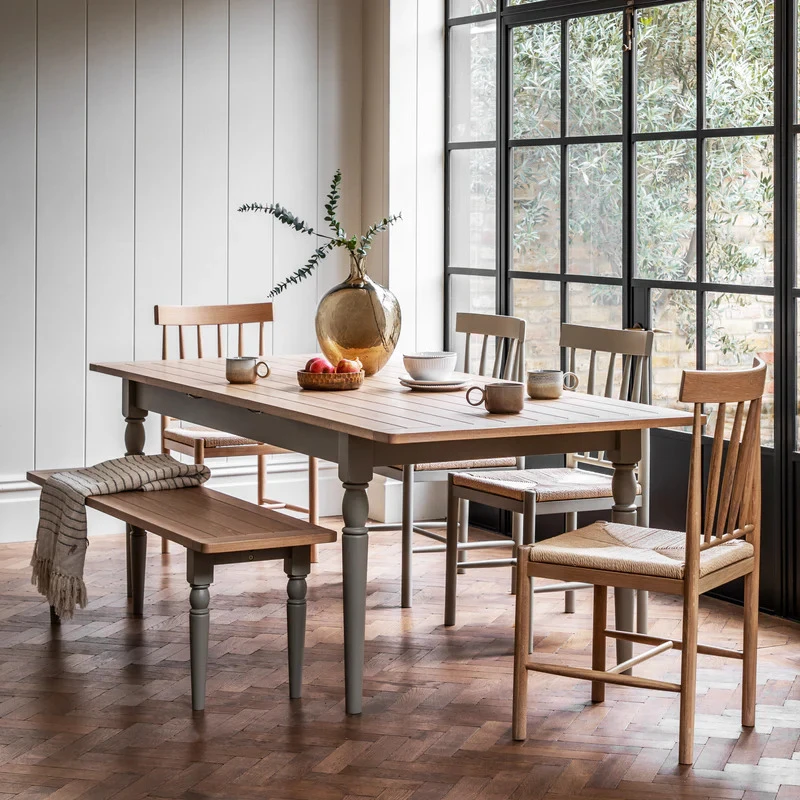
A bench can provide flexible seating along one side, while individual chairs can be used at the ends. This approach can create a more relaxed appearance while making it easier to accommodate different numbers of people.
Benches can also be pushed beneath the table when they are not required, helping to maximise floor space.
Consider Comfort
Appearance is important, but comfort should be a priority.
Dining chairs should provide adequate back support and have a seat height that works with the table. If your family regularly spends long periods around the table, such as during weekend meals or celebrations, comfortable seating becomes particularly important.
Upholstered chairs can provide additional softness, while wooden chairs may offer a more traditional appearance.
Creating a Coordinated Dining Area
A dining room does not need to contain furniture from one matching collection. Instead, consider creating visual links between different pieces.
You might coordinate chair colours with other furnishings, match wood tones or use similar design details.
The table and chairs should look intentional together, even if they are not identical.
Choosing Materials
Dining chairs are available in wood, metal, upholstered fabric and other materials. Each option creates a different atmosphere.
Wooden chairs can complement traditional interiors and natural dining tables. Upholstered chairs can add comfort and a softer appearance.
If you have young children, practical materials may be preferable because dining chairs can be exposed to spills and everyday wear.
Consider the Dining Table Shape
The shape of your table can also influence chair selection.
Rectangular tables generally provide straightforward seating arrangements, while round tables can create a more sociable environment.
Square tables can work well in compact rooms, particularly when combined with appropriately sized chairs.
Always consider how much space each diner requires rather than simply counting the number of chairs that physically fit.
Make Space for Movement
A dining room should remain easy to navigate when people are seated.
Leave sufficient space behind chairs where possible so other people can move through the room. This is particularly important if the dining area is connected to a kitchen or another frequently used space.
Avoid placing the table so close to a wall that chairs cannot be pulled out properly.
Consider the Wider Room
Dining chairs should complement the rest of the interior. Look at flooring, wall colours, lighting and nearby furniture when selecting a finish.
If your dining room already contains several strong colours or patterns, simpler chairs may create a more balanced appearance.
Alternatively, neutral surroundings can provide an opportunity to introduce more distinctive seating.
Think About Maintenance
Dining chairs are exposed to food, drinks and regular use, so consider how easy they are to maintain.
Fabric chairs may require different care from wooden or leather seating. Always follow the manufacturer's recommendations for cleaning and maintenance.
A chair that is attractive but difficult to maintain may not be the best choice for a busy family home.
Plan for Entertaining
If you frequently host dinner parties or family gatherings, consider how your seating arrangements can adapt.
Additional chairs can be stored elsewhere until required, while benches can provide flexible seating without permanently occupying as much visual space.
An extending dining table can also increase the number of people you can accommodate.
Final Thoughts
The best dining area combines comfortable seating with practical furniture and an attractive overall design. When choosing dining chairs UK, consider comfort, dimensions, materials and maintenance rather than focusing purely on appearance.
Pairing your chairs with suitable tables and chairs can help create a coordinated dining environment that works for everyday meals as well as larger gatherings.
With careful planning, even a relatively simple dining room can become a comfortable and welcoming part of the home.




























Sign in to leave a comment.