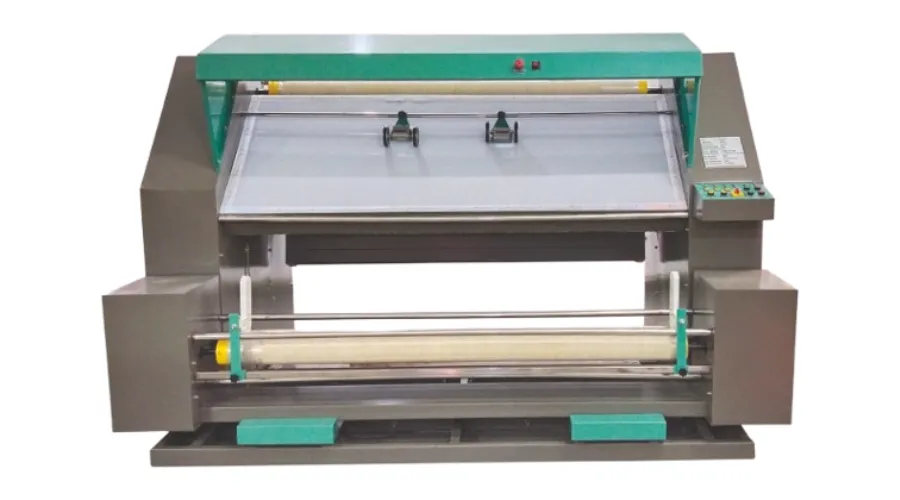

In the modern textile and garment industry, maintaining consistent fabric quality has become more important than ever. As customer expectations continue to rise in 2026, manufacturers are under constant pressure to deliver defect-free products while reducing production costs and minimizing waste. One of the most effective solutions for achieving these goals is the Fabric Inspection Machine.
At Lunex Machine, we understand the importance of precision, efficiency, and quality control throughout the manufacturing process. A reliable Fabric Inspection Machine helps textile manufacturers identify fabric defects before production begins, ensuring higher-quality garments and improved operational efficiency.
What is a Fabric Inspection Machine?
A Fabric Inspection Machine is an industrial textile inspection system designed to examine fabric rolls before they move to the cutting or sewing stage. It enables operators to detect defects such as:
- Holes
- Stains
- Yarn faults
- Color variations
- Printing defects
- Weaving irregularities
- Uneven fabric width
- Fabric wrinkles
By identifying these issues early, manufacturers can prevent defective materials from entering production, saving both time and money.
Why Fabric Quality Matters in 2026
The textile industry in 2026 is driven by automation, sustainability, and strict quality standards. Even small fabric defects can lead to:
- Product rejection
- Customer complaints
- Increased material waste
- Higher production costs
- Brand reputation damage
Using a Fabric Inspection Machine allows manufacturers to maintain consistent quality while meeting international production standards and customer expectations.
Key Benefits of a Fabric Inspection Machine
1. Early Detection of Fabric Defects
One of the biggest advantages of a Fabric Inspection Machine is its ability to detect problems before production begins.
Instead of discovering defects after garments are stitched, manufacturers can identify and remove faulty fabric rolls during inspection.
This reduces:
- Production delays
- Rework costs
- Material loss
2. Improved Product Quality
High-quality garments begin with high-quality fabric.
A properly inspected fabric roll ensures:
- Better stitching results
- Consistent garment appearance
- Improved customer satisfaction
- Fewer product returns
Better raw materials naturally produce better finished products.
3. Reduced Fabric Waste
Fabric is one of the most expensive materials in garment manufacturing.
A Fabric Inspection Machine helps reduce waste by:
- Identifying defective areas
- Marking faults accurately
- Allowing optimized fabric cutting
- Preventing unnecessary material loss
This contributes to more sustainable manufacturing practices.
4. Increased Production Efficiency
Manual fabric inspection is slow and inconsistent.
Modern inspection machines allow operators to inspect fabric quickly while maintaining high accuracy.
Benefits include:
- Faster inspection speed
- Improved workflow
- Reduced labor effort
- Higher production capacity
This helps manufacturers complete orders on time.
5. Accurate Fabric Measurement
Many advanced Fabric Inspection Machines include digital length counters and fabric measuring systems.
These features ensure:
- Accurate fabric length
- Correct roll measurements
- Better inventory management
- Improved production planning
Accurate measurements also reduce disputes with suppliers.
Features of Modern Fabric Inspection Machines in 2026
Today's inspection machines are much more advanced than earlier models.
Common features include:
- High-speed fabric inspection
- LED lighting for better visibility
- Digital length measurement
- Adjustable inspection speed
- Fabric edge alignment
- Roll-to-roll inspection
- User-friendly control panel
- Durable industrial construction
Some advanced systems also integrate with factory automation and quality management software.
Industries That Use Fabric Inspection Machines
A Fabric Inspection Machine is widely used across multiple industries, including:
- Garment manufacturing
- Textile mills
- Apparel export houses
- Home furnishing production
- Denim manufacturing
- Knitted fabric production
- Technical textile industries
- Fabric processing units
Wherever fabric quality matters, inspection machines play an essential role.
How Fabric Inspection Supports Sustainable Manufacturing
Sustainability remains one of the biggest priorities in 2026.
Reducing waste not only lowers production costs but also minimizes environmental impact.
A Fabric Inspection Machine contributes to sustainable manufacturing by:
- Reducing defective production
- Minimizing fabric waste
- Lowering energy consumption from rework
- Improving material utilization
- Supporting efficient resource management
These benefits help manufacturers achieve both economic and environmental goals.
Choosing the Right Fabric Inspection Machine
Selecting the right machine depends on your production requirements.
Consider the following factors:
- Fabric type
- Production volume
- Inspection speed
- Machine durability
- Measurement accuracy
- Ease of operation
- Maintenance requirements
- After-sales support
Investing in a reliable machine ensures long-term performance and consistent quality control.
Why Choose Lunex Machine?
Lunex Machine is committed to providing reliable textile machinery that meets the evolving demands of the garment industry.
Our solutions are designed to deliver:
- Consistent inspection accuracy
- High operational efficiency
- Durable construction
- Easy maintenance
- User-friendly operation
- Reliable performance for continuous production
Whether you're a small garment manufacturer or a large textile production facility, our equipment helps improve productivity while maintaining superior fabric quality.
Future Trends in Fabric Inspection
As textile manufacturing becomes increasingly automated, Fabric Inspection Machines are expected to evolve with smarter technologies.
Future innovations may include:
- AI-assisted defect detection
- Automated quality reporting
- Smart factory integration
- Real-time production monitoring
- Cloud-based inspection data
- Enhanced digital analytics
These advancements will help manufacturers achieve even greater efficiency and quality control.
Conclusion
In 2026, maintaining fabric quality is essential for staying competitive in the textile and apparel industry. A Fabric Inspection Machine enables manufacturers to identify defects early, reduce material waste, improve production efficiency, and deliver high-quality products to customers.
By investing in advanced inspection technology, businesses can lower production costs, strengthen quality control, and support sustainable manufacturing practices.
At Lunex Machine, we provide dependable textile machinery solutions designed to help manufacturers enhance productivity and maintain the highest standards of fabric quality. Choosing the right Fabric Inspection Machine is a smart investment that supports long-term business growth and customer satisfaction.
























Sign in to leave a comment.