Keeping energy costs down in Denver, CO, often comes down to making better choices about how homes and buildings are insulated. Among the most effective solutions is spray foam insulation. It offers reliable air sealing, moisture resistance, and long-term thermal performance in one material.
This article explains how a local spray foam insulation company plays a central role in improving energy efficiency for residential and small commercial buildings in Denver. It breaks down the long-term benefits, common misconceptions, and key technical details that local property owners should know before making a decision.
How Spray Foam Supports Energy Efficiency in Denver
Denver’s mixed climate demands an insulation strategy that performs well in both summer heat and winter cold. Spray foam addresses both through air sealing and thermal resistance.
Why Air Sealing Matters for Energy Use
In many Denver homes, a major source of energy loss comes from air leakage—gaps in the attic, crawl space, rim joists, or wall assemblies where conditioned air escapes and outside air enters. Spray foam forms a continuous air barrier that helps reduce this exchange.
A well-sealed building shell helps:
- Lower heating and cooling costs
- Improve indoor air quality
- Reduce HVAC system wear
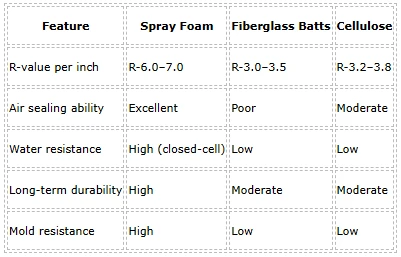
Traditional insulation types like fiberglass or cellulose may not stop airflow effectively. Spray foam expands to fill voids, sealing off leaks more reliably.
Thermal Resistance and R-Value Consistency
The R-value of insulation measures how well it resists heat flow. Closed-cell spray foam offers one of the highest R-values per inch among commonly used insulation materials, typically between R-6 and R-7.
Compared to batts or loose-fill options, it maintains its R-value over time because it doesn’t settle or degrade when exposed to humidity—especially useful in areas like crawl spaces or basement rim joists, which are prone to moisture buildup.
Spray Foam for Common Problem Areas in Denver Homes
Not all parts of a building need the same insulation solution. A local foam insulation expert understands Denver-specific building codes, climate challenges, and construction styles that affect where and how spray foam should be applied.
Attics and Roof Decks
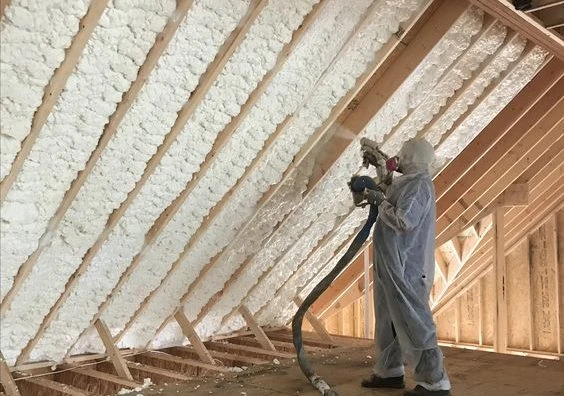
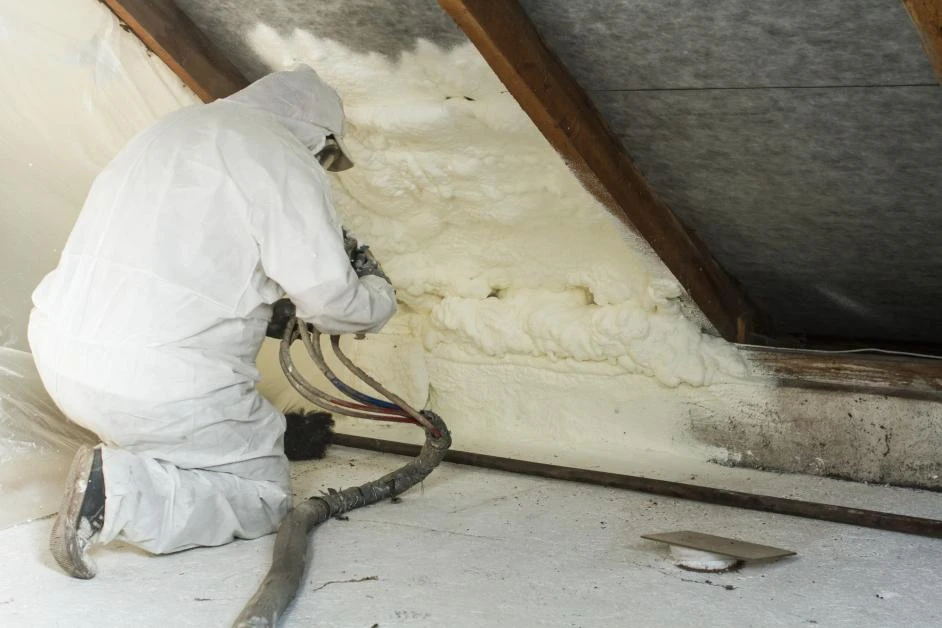
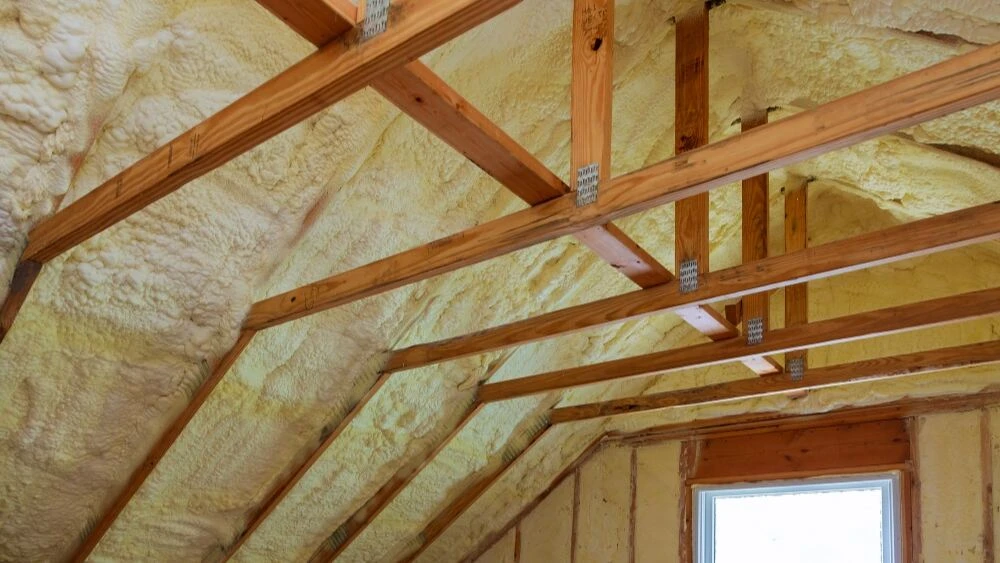
Attics often allow excessive heat transfer, especially in older homes. Insulating the roof deck with spray foam allows the attic to stay within the thermal envelope, improving the overall efficiency of the home.
Benefits of attic spray foam:
- Keeps ducts in conditioned space
- Reduces dust and allergens entering the living area
- Cuts peak summer cooling loads
Rim Joists and Crawl Spaces
These often-overlooked areas are high-priority targets for spray foam. Rim joists are prone to air infiltration and thermal bridging. Applying closed-cell spray foam here improves insulation and reduces condensation risk.
Spray foam in crawl spaces:
- Acts as an air and vapor barrier
- Resists mold growth
- Maintains stable floor temperatures
Wall Cavities and Retrofit Projects
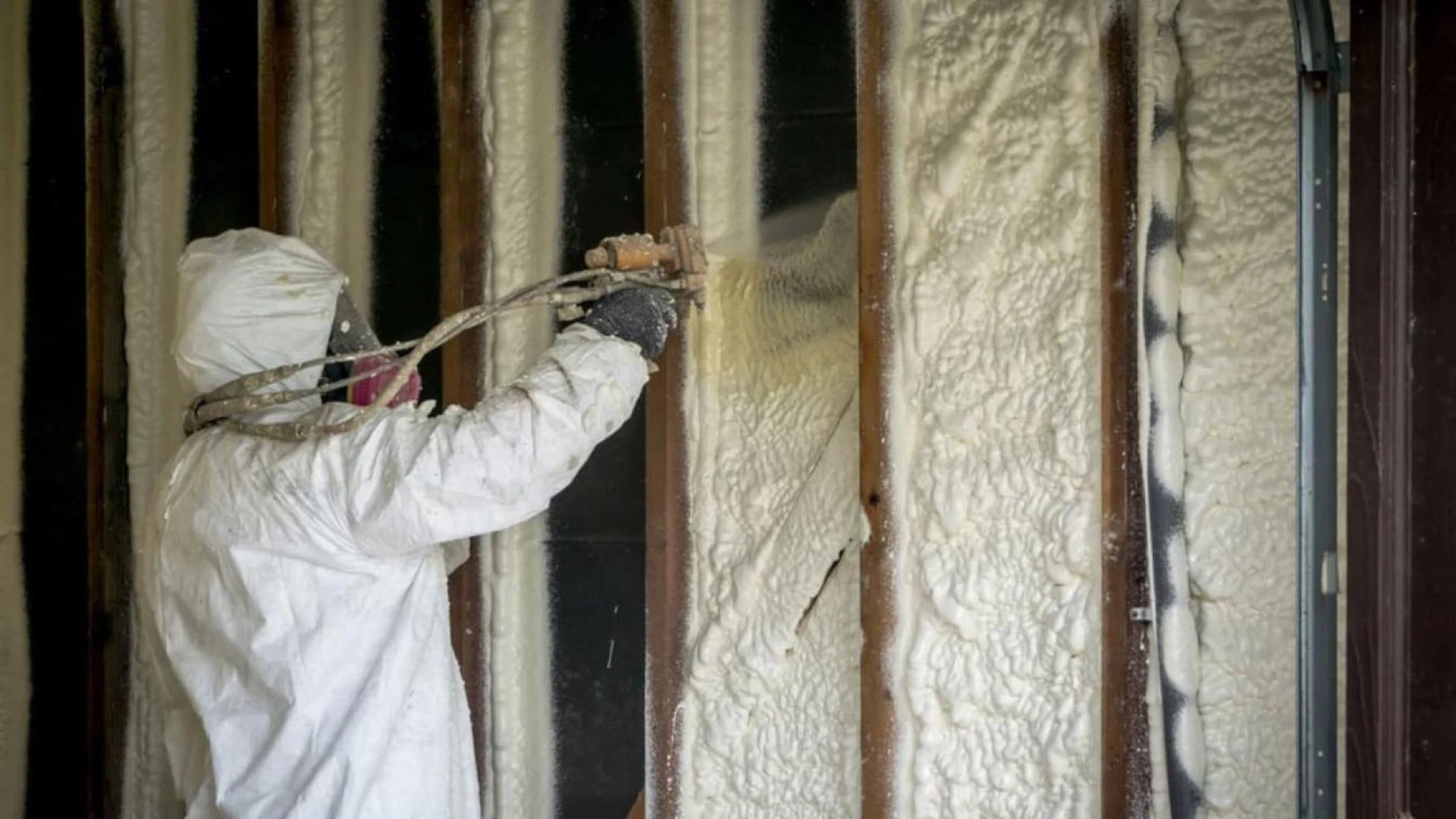
For retrofitting older homes in Denver, injection foam or open-cell spray foam may be used in existing wall cavities. Neighborhood insulation professionals evaluate wall framing and siding types to recommend an approach that preserves structure while improving comfort.
Benefits Beyond Energy Savings
While lowering utility bills is the main draw, spray foam insulation offers a wider set of long-term benefits when installed by trusted local insulation providers.
Indoor Air Quality Improvements
A sealed building envelope means fewer outdoor pollutants, allergens, and humidity entering the home. For those in Denver sensitive to pollen or wildfire smoke, this added protection makes a real difference.
Structural Reinforcement
Closed-cell spray foam adds rigidity to walls and roofs. While not a structural product on its own, it can increase shear strength in certain assemblies—especially useful for older Denver homes that may lack modern framing systems.
Reduced Noise Transmission
Spray foam also acts as a sound-dampening material. In denser Denver neighborhoods or homes close to roadways, this acoustic control improves daily comfort.
Comparing Insulation Materials
Choosing Reliable Foam Insulation in Denver
Working with reliable local foam companies in Denver offers an advantage that goes beyond installation alone. Local teams often have firsthand knowledge of construction styles common to the area, which helps them make smart decisions about where and how to apply spray foam.
Understanding Local Code Compliance
Energy codes in Colorado have evolved, and Denver may require specific R-values or continuous insulation measures. Regional foam specialists are already familiar with these rules and adjust projects to meet or exceed them.
Building a Consistent Thermal Envelope
Denver homes with mixed insulation types can experience thermal bridging, where heat transfers through poorly insulated framing. A community insulation team can design an integrated insulation plan to eliminate gaps and cold spots.
Common Questions
How long does spray foam insulation last in Denver homes? Spray foam maintains performance for decades when installed properly. Closed-cell foam, in particular, doesn’t sag or absorb moisture, making it highly durable in Denver’s seasonal climate.
Can spray foam be added to existing homes without major renovations? Yes, in many cases. Neighborhood insulation professionals can apply injection or open-cell foam into wall cavities, attics, and crawl spaces with minimal disruption to the structure.
Does spray foam insulation help with moisture problems? Closed-cell spray foam acts as both an air and vapor barrier. It resists moisture intrusion, helping prevent mold growth—especially in Denver basements and crawl spaces.
What areas of the home benefit most from spray foam? Attics, rim joists, wall cavities, and crawl spaces are priority zones. A local foam insulation expert can perform an inspection to identify which areas offer the greatest return on energy savings.
Conclusion
Spray foam insulation delivers more than just lower energy bills—it builds long-term comfort, healthier air quality, and reliable building performance. Choosing a local spray foam insulation company in Denver ensures the work aligns with local conditions and building codes, leading to a stronger return on investment.
Denver residents benefit when insulation is matched precisely to the structure, climate, and specific challenges common to the region. From attic upgrades to crawl space sealing, the right team makes a measurable impact on comfort and efficiency.
Ready to Achieve Better Energy Performance?
Energy efficiency begins with a sealed and insulated building envelope. Whether upgrading an older Denver home or improving a newer one, choosing the right insulation approach makes all the difference. Spray foam offers a durable, moisture-resistant solution with lasting impact on utility costs and indoor comfort.
RIB Spray Foam provides expert spray foam insulation in Denver, CO, with a strong track record of helping homeowners and small business owners improve building performance. Get honest advice, reliable application, and results that hold up year-round. Call (970) 645-8077 to schedule an estimate or request more information.
FAQs
What type of spray foam is best for crawl spaces in Denver? Closed-cell spray foam is often used in crawl spaces due to its moisture resistance and strength. It helps control humidity and insulates effectively in confined areas.
Does spray foam insulation meet Denver building codes? Yes, when installed by trusted local insulation providers familiar with Colorado energy codes. The material can exceed minimum code requirements in many cases.
How soon can insulation improvements lower energy bills? Most Denver residents notice a difference in comfort and energy usage within one or two utility billing cycles after installation.
Will spray foam insulation make a home quieter? Yes, both open- and closed-cell foam reduce airborne noise, which helps quiet interior spaces—particularly in high-traffic neighborhoods.
Can insulation help reduce indoor allergens? Spray foam limits air leaks, which helps prevent outdoor allergens, dust, and pollutants from entering the home, improving indoor air quality.
Reviewer: Grace Walker has been in the spray foam business for 9 years and provided suggestions that helped refine this article’s focus on brand development and simple, consistent marketing efforts.



























Sign in to leave a comment.