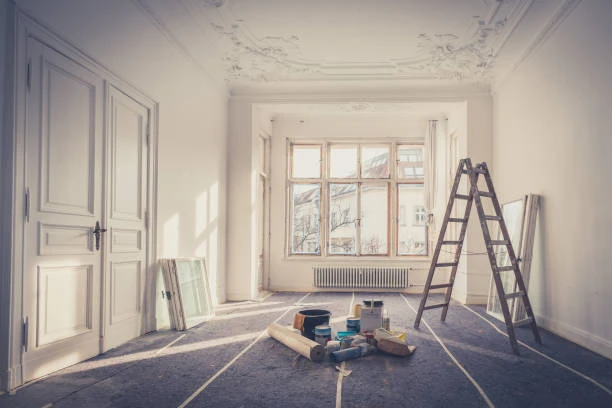

Have you ever wondered how painters create the right shade every single time? What's the secret behind colours that match perfectly, blend beautifully, and evoke the right mood? It all comes down to the art and science of colour mixing—a skill every proficient painter has mastered over time. Whether blending warm neutrals for a home's interior or matching the exact hue for an exterior touch-up, a professional painter in Newport knows how to get the colour right. Let's explore how painters achieve the magic of colour mixing and why it's crucial to quality results.
Why Colour Mixing Matters in Professional Painting?
Colour mixing is more than just combining two shades. It involves a deep understanding of:
- Colour theory
- Lighting conditions
- Surface materials
- Paint formulations
In diverse climates and architecture, selecting and mixing the right colour ensures that the finished product looks good, lasts longer, and complements the surrounding environment. Whether you're dealing with modern styles or coastal cottages in Byron Bay, proper colour mixing makes all the difference.
1. Understanding Colour Theory
At the heart of every good mix is colour theory. A professional painter works with the colour wheel, which breaks down colours into:
- Primary colours: Red, blue, yellow
- Secondary colours:
Created by mixing primaries (e.g., red + blue = purple)
- Tertiary colours:
Formed by blending a primary with a neighbouring secondary
Painters also understand warm vs cool tones, complementary contrasts, and analogous harmonies to craft custom colours that suit any space.
Knowing how colours interact helps painters avoid mismatched tones or dull finishes. For example, mixing a bit of green into beige can neutralise overly yellow undertones—resulting in a more modern and muted wall colour.
2. The Importance of Precision
Unlike store-bought paints, where colours come pre-mixed, custom colour mixing requires accuracy. A professional painter often uses:
- Paint tinting machines
- Precision scales for pigment ratios
- Colour charts and sample comparisons
They may even take a small chip of your existing paint to colour-match it exactly. Thus ensuring there is no difference in hue when touching up older walls. With accurate mixing, painters create consistent results that are spot on, not too bright, too pale, or too muddy.
3. Factoring in Lighting and Environment
Colours can look completely different depending on the light. A grey may appear bluish in cool natural light and warmer under indoor lighting. That's why a skilled painter tests swatches in various lighting conditions throughout the day before finalising a mix. They also consider environmental factors:
- North-facing walls get more sun and may need cooler tones
- Humid areas require finishes that resist mould and won't discolour
- Outdoor surfaces need UV-resistant paints that won't fade easily
Painters adjust the colour formula accordingly to maintain its vibrancy and accuracy.
4. Using Additives and Adjusting Finish
Colour isn't just about pigment. The finishes and additives in the paint affect how the colour appears. For instance:
- Glossy finishes make colours look more vibrant
- Matte finishes can mute intense hues
- Thinners can lighten colours slightly
- Texture additives can change how light reflects off the surface
A professional painter understands how to balance all these elements to achieve the desired final look.
5. Blending for Unique Effects
Beyond basic wall painting, colour mixing is also key in decorative and artistic techniques such as:
- Colour washes
- Ombre effects
- Faux finishes like marble or concrete
These techniques rely on layered colour mixing, gradually blending tones to create depth and visual texture. A painter's trained eye and steady hand make all the difference when pulling off these subtle finishes.
Why Trust the Pros?
DIY paint kits and online tools are readily available. However, nothing beats the trained judgment of a skilled painter. Years of experience give professionals an intuitive sense of colour depth, balance, and undertones—something you can't get from a paint chart alone.
Hiring a painter means you get the following:
- Expert colour matching
- High-quality blends that last
- Finishes that are true to your vision
- Advice tailored to your home's lighting and style
Final Thoughts:
The art of colour mixing is where creativity meets technical know-how. It's about creating harmony, visual appeal, and long-lasting results—all with just the right tint. Skilled painters don't just paint—they craft a visual experience. Get in touch with expert painters from Dan Home Painting Services today. Whether you're looking to match an existing shade or explore something bold and new, the best painter in Newport will ensure 100% customer satisfaction.

























Sign in to leave a comment.