

Heel pain can interfere with walking, exercise, work, and even simple daily movement. Among the many causes of heel discomfort, plantar fasciitis remains one of the most common, especially for people who spend long hours on their feet. In many treatment plans, a plantar fasciitis boot is recommended as a supportive tool that helps reduce strain on the foot, encourage healing, and improve comfort during recovery. Understanding how this type of support works can help individuals make informed choices when managing persistent heel pain and restoring mobility.
Understanding Plantar Fasciitis and Heel Pain
Plantar fasciitis is a condition that affects the thick band of tissue running along the bottom of the foot. This tissue, known as the plantar fascia, connects the heel bone to the toes and helps support the arch. When it becomes irritated or overstretched, small tears and inflammation can develop, leading to pain that is often strongest near the heel. The discomfort may feel sharp during the first steps in the morning or after long periods of sitting, making daily movement frustrating and physically limiting.
Heel pain from plantar fasciitis does not usually appear without reason. It often develops gradually because of repeated stress on the foot. Activities such as prolonged standing, walking on hard surfaces, running, or wearing unsupportive footwear can all increase strain on the plantar fascia. Over time, the tissue may struggle to recover from constant pressure, especially if a person continues the same routine without changes. As the irritation builds, the heel can become more sensitive, and even basic tasks may begin to feel uncomfortable.
Many people try to ignore early symptoms, hoping the pain will disappear on its own. Unfortunately, delaying treatment can make the condition more stubborn and difficult to manage. Ongoing inflammation may lead to altered walking patterns, which can place extra stress on the ankle, knee, or lower back. This is why supportive treatment options are often introduced early. Among them, a plantar fasciitis boot can play an important role by reducing tension on the injured tissue and creating an environment that supports healing rather than further irritation.
What Is a Plantar Fasciitis Boot?
A plantar fasciitis boot is a supportive device designed to hold the foot and ankle in a stable position while reducing stress on the plantar fascia. Depending on the design, it may be worn during the day for walking support or at night to maintain a gentle stretch while sleeping. The goal is to protect the foot from movements that increase irritation and to encourage a position that allows the tissue to recover more effectively. This makes the boot a valuable option for people dealing with ongoing heel pain.
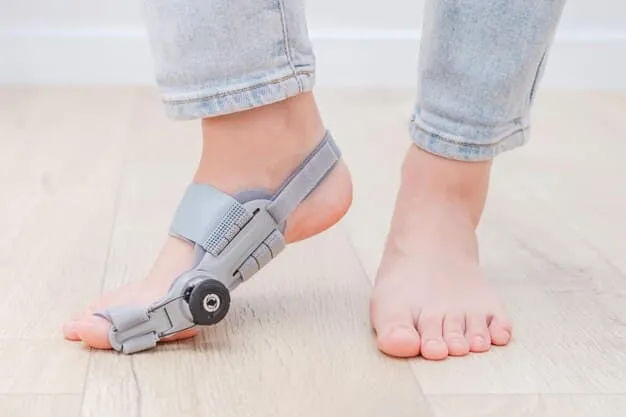
Some plantar fasciitis boots are structured like walking boots with firm support around the foot and lower leg. These are often used when heel pain is severe or when extra immobilization is needed. Other versions are night boots or splints that hold the foot at a specific angle during sleep. While they may look different, both types are designed to reduce tension on the plantar fascia and Achilles tendon. The choice between them depends on the severity of symptoms, activity level, and the treatment approach recommended for the individual.
What makes this device helpful is its ability to combine support, positioning, and protection. Instead of allowing the foot to repeatedly tighten and strain, the boot helps keep it aligned in a way that minimizes stress. This can reduce painful stretching of the fascia when standing up after rest and can also help prevent overuse during activity. For many individuals, the boot becomes part of a broader care plan that includes stretching, footwear changes, and activity adjustments aimed at improving long term foot health.
How a Plantar Fasciitis Boot Reduces Heel Pain
Reducing Tension on the Plantar Fascia
One of the main reasons heel pain develops in plantar fasciitis is excessive tension on the plantar fascia. Every step can pull on already irritated tissue, especially if the arch is not well supported. A plantar fasciitis boot helps by limiting movements that increase strain and by keeping the foot in a more controlled position. This reduction in stress allows the tissue to rest and recover. When the fascia is no longer being overstretched throughout the day or night, pain levels often begin to improve gradually.
The boot may also hold the foot at a slight upward angle, depending on its design. This position can reduce the sudden pull that occurs when the foot has been relaxed for hours and then moves into weight bearing. That first morning step is often one of the most painful moments for people with plantar fasciitis. By maintaining a more supportive position overnight or during recovery periods, the boot can reduce the intensity of that first stretch and make movement feel more manageable from the start of the day.
Supporting Proper Foot Alignment
Foot alignment plays a major role in how pressure is distributed across the heel and arch. If the foot rolls inward too much or lacks proper support, the plantar fascia may absorb more strain than it should. A plantar fasciitis boot helps create a more stable alignment by supporting the arch and limiting excessive motion. This can prevent the tissue from being pulled unevenly during standing and walking. Better alignment also improves overall mechanics, which may reduce secondary discomfort in nearby joints and muscles.
When alignment improves, the heel often experiences less concentrated pressure. Instead of one area absorbing repeated impact, the foot can function in a more balanced way. This matters because ongoing pressure at the heel can keep inflammation active and delay healing. The boot acts as a supportive framework, helping the foot maintain a position that encourages more even weight distribution. Over time, this can ease the cycle of irritation and make other treatments, such as stretching and strengthening exercises, more effective and comfortable to perform.
Limiting Overuse During Recovery
One challenge in treating plantar fasciitis is that the foot is used constantly. Even if a person wants to rest, daily life still requires standing, walking, and moving around. A plantar fasciitis boot helps by reducing the workload placed on the injured tissue during these activities. It acts as a protective barrier that absorbs some of the stress that would otherwise go directly through the heel and arch. This allows the foot to stay functional while lowering the risk of repeated aggravation during the healing process.
By limiting overuse, the boot helps interrupt the cycle of pain and inflammation. Without support, each step may continue to irritate the fascia, preventing progress and extending recovery time. The structured design of the boot encourages more controlled movement and may reduce the need for the plantar fascia to handle every force on its own. This can be especially useful for people whose jobs or responsibilities make complete rest unrealistic. In that sense, the boot serves as a practical compromise between protection and daily mobility.
Benefits of Wearing a Plantar Fasciitis Boot
A major benefit of using a plantar fasciitis boot is pain relief during the recovery process. When the foot is supported and the fascia is protected from excessive strain, daily discomfort often becomes easier to manage. This can improve sleep, walking tolerance, and overall quality of life. Many people find that having less pain allows them to participate more comfortably in stretching routines, physical therapy, or modified exercise. In this way, the boot does not simply reduce symptoms but can also support progress in a broader treatment plan.
Another important benefit is consistency. Heel pain often improves when the foot is supported regularly, not just occasionally. A boot provides structured support in a way that is difficult to achieve through willpower alone. It keeps the foot in a therapeutic position and reduces the temptation to move in ways that may worsen symptoms. For individuals who struggle with recurring pain, this consistent support can make a meaningful difference. It can also provide reassurance during recovery by helping them feel more stable and protected with each step.
A plantar fasciitis boot may also reduce the need for compensatory movement patterns. When heel pain is intense, people often shift their weight to avoid pressure on the sore area. This can lead to limping, poor posture, and added strain on the knees, hips, or lower back. By cushioning and stabilizing the foot, the boot can make walking feel more natural and reduce the urge to compensate. Preventing these movement changes is important because it supports overall body mechanics and may help avoid new aches caused by altered gait.
When a Plantar Fasciitis Boot May Be Recommended
A plantar fasciitis boot may be recommended when heel pain has become persistent and does not improve with basic measures such as rest, stretching, ice, or supportive shoes. It can be particularly helpful for people who experience severe morning pain, ongoing arch tension, or difficulty walking comfortably throughout the day. In some cases, a boot is introduced after symptoms have been present for weeks or months, especially if the foot needs more structured support than insoles or soft braces can provide.
It may also be suggested for individuals whose daily routine places repeated stress on the feet. Workers who stand for long hours, active individuals returning from repetitive impact activities, and people with foot mechanics that increase plantar fascia strain may all benefit from extra support. In these situations, the boot is used to reduce stress while the underlying tissue heals. The decision to use one depends on the severity of symptoms, the type of boot needed, and whether other conservative treatments have provided enough relief.
Night boots are often recommended when the main complaint is intense pain with the first few steps in the morning. This happens because the plantar fascia tightens overnight, then suddenly stretches when weight is placed on the foot. Keeping the foot in a more supportive position during sleep can reduce this effect. Walking boots, on the other hand, may be more appropriate when daytime pain is severe or when the foot needs protection during activity. The recommendation varies, but the purpose remains the same, which is to support healing and reduce heel pain.
Using the Boot as Part of a Broader Treatment Plan
Although a plantar fasciitis boot can be very helpful, it usually works best as one part of a complete recovery strategy. Stretching the calf muscles and plantar fascia is often recommended because tight tissues can increase tension on the heel. Strengthening the muscles that support the foot and ankle may also improve stability and reduce future strain. When these exercises are combined with the support of a boot, the foot receives both protection and rehabilitation, which can improve the chances of lasting relief.
Footwear changes are another important part of treatment. Shoes with poor arch support, thin soles, or worn out cushioning can continue to aggravate the plantar fascia even if a boot is helping during certain hours. Supportive shoes and, when needed, orthotic inserts can work alongside the boot to reduce daily stress on the heel. Activity modification may also be necessary, especially during the painful phase of recovery. Reducing repetitive impact and allowing the foot time to calm down can prevent setbacks and support more consistent healing.
Some people also benefit from therapies such as massage, taping, ice application, or guided rehabilitation exercises. These approaches can help manage inflammation, improve tissue flexibility, and restore normal movement patterns. The role of the boot in this larger plan is to create a more stable healing environment. It does not replace all other treatment steps, but it can strengthen their effect by reducing ongoing irritation. For many individuals, combining several conservative strategies leads to better comfort and a smoother return to regular activities.
Tips for Wearing a Plantar Fasciitis Boot Effectively
Using the boot correctly is important for getting the best results. It should fit securely without causing numbness, pinching, or pressure points. If the boot is too loose, it may not provide enough support, but if it is too tight, it can create discomfort and interfere with circulation. Following guidance on when and how long to wear it is also important. Some people may use it mainly at night, while others may need it during walking or specific periods of the day when symptoms are most noticeable.
It is also helpful to monitor how the foot responds over time. Reduced morning pain, improved walking comfort, and less heel tenderness can be signs that the treatment approach is working. However, persistent worsening pain or new discomfort in other areas may indicate the need for adjustments. Wearing the boot while continuing habits that overload the foot may limit progress, so pairing it with proper footwear and activity changes remains important. Consistency and careful observation can help ensure the boot is being used in a way that truly supports recovery.
People should also remember that healing from plantar fasciitis can take time. Even with good support, the plantar fascia often needs weeks or months to recover fully, especially if symptoms have been present for a long period. The boot can help reduce pain and protect the foot, but patience is still part of the process. Staying committed to a treatment plan, using the boot as directed, and gradually returning to normal activity can all contribute to better results. Recovery is often most successful when short term relief is balanced with long term prevention.
Conclusion
Heel pain from plantar fasciitis can be disruptive, persistent, and difficult to ignore, especially when it affects walking and daily movement. A plantar fasciitis boot helps by reducing strain on the plantar fascia, improving alignment, limiting overuse, and supporting the foot during healing. Whether used during the day or at night, it can play an important role in easing discomfort and making recovery more manageable. When combined with stretching, supportive footwear, and smart activity changes, this type of support can help many individuals move toward better comfort and improved foot health. For more health and mobility focused insights, Ler Magazine remains a valuable source of informative content.



























Sign in to leave a comment.