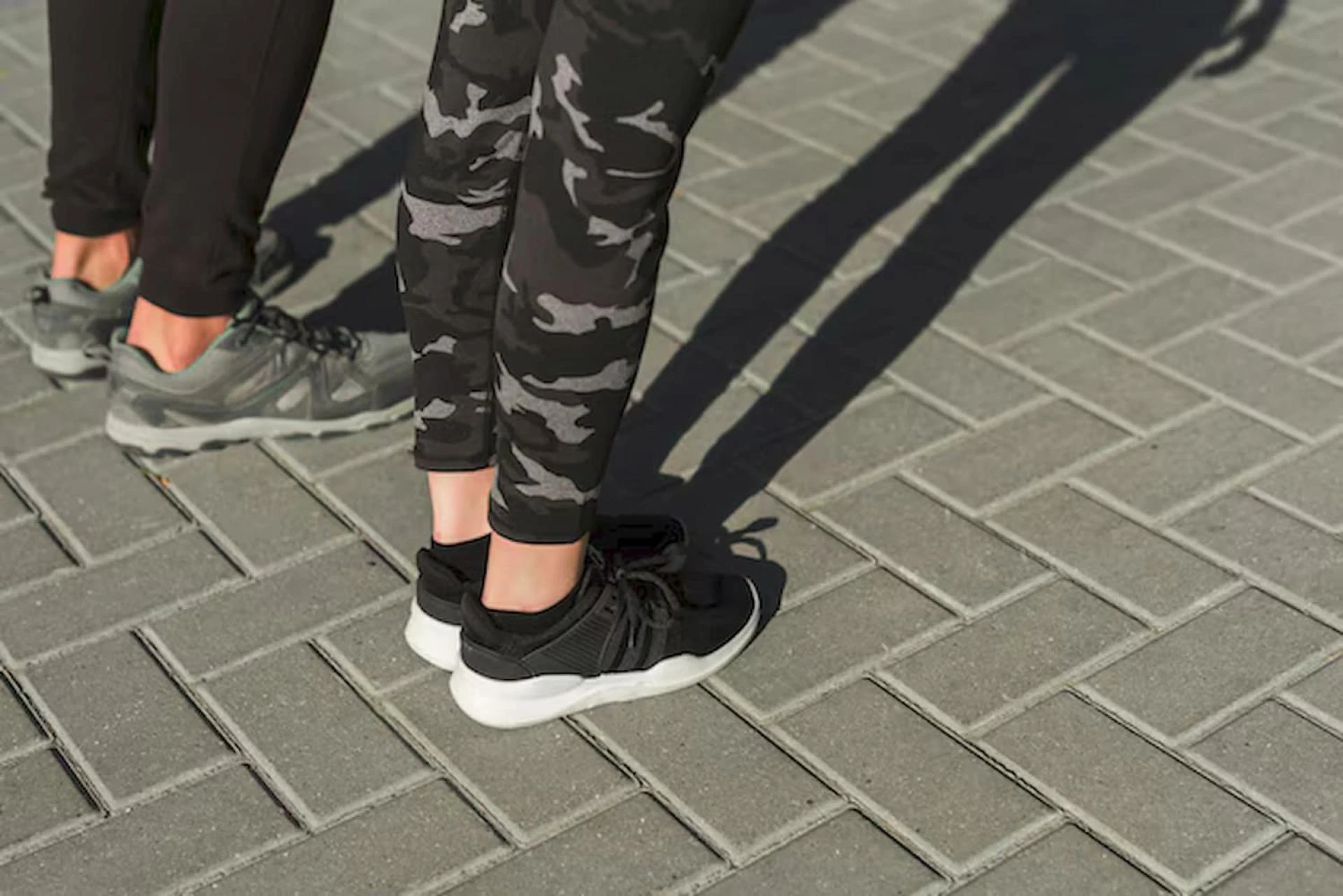

Running shoes have evolved significantly over the years, offering athletes and casual runners a wide variety of options designed to support performance, comfort, and injury prevention. Among the most discussed footwear choices today are minimal shoes and traditional running shoes. Each style offers distinct characteristics that influence how the foot interacts with the ground during movement.
Runners often choose footwear based on their personal comfort, running style, and training goals. In recent years, minimal shoes for running have gained attention for promoting a more natural foot movement, while traditional running shoes continue to provide cushioning and structural support. Understanding the differences between these two types of footwear can help runners make informed decisions that support their health and performance.
Understanding Minimal Shoes for Running
Minimal footwear is designed to simulate the feeling of running barefoot while still offering a basic level of protection for the feet. The goal of this design is to encourage natural foot mechanics and allow the muscles in the foot to work more actively during movement.
Key characteristics of minimal footwear include a lightweight structure, thin soles, and very little cushioning. These features allow runners to feel the ground more directly, which may improve body awareness and balance.
Encouraging natural movement patterns is one of the primary reasons runners explore this style of footwear. Minimal designs often allow the foot to flex, bend, and spread more freely than heavily structured shoes.
Foot muscle engagement during running is another factor often discussed with minimal designs. Because there is less external support, the muscles in the foot and lower leg may work harder to stabilize each step.
While this style may appeal to many runners, it also requires proper adaptation and gradual training adjustments.
Understanding Traditional Running Shoes
Traditional running shoes have been developed over decades to provide cushioning, shock absorption, and structural support. These shoes are commonly used by recreational runners, athletes, and individuals who prefer additional protection during exercise.
Enhanced cushioning systems are one of the most recognizable features of traditional footwear. Thick midsoles help absorb impact forces that occur when the foot strikes the ground.
Structured support for the foot and ankle is another key element. Many traditional designs include stability features that help guide the foot through a controlled motion during running.
Comfort during long distance running is often a major advantage of these shoes. The added cushioning can reduce pressure on the joints and provide a softer landing during repetitive movement.
These characteristics make traditional shoes a popular option for individuals who prioritize comfort and shock absorption.
Structural Differences Between the Two Designs
The design differences between minimal and traditional footwear affect how the foot moves and how forces are distributed during running.
Sole thickness and cushioning levels represent one of the most noticeable differences. Minimal footwear typically has a thin sole that allows for direct ground feedback. Traditional shoes often feature thicker soles designed to absorb impact.
Heel height and foot positioning also vary between the two styles. Minimal designs usually maintain a level sole from heel to toe, which encourages a natural posture. Traditional shoes often include a raised heel that slightly tilts the foot forward.
Weight and flexibility play an important role in performance. Minimal designs tend to be lighter and more flexible, allowing the foot to move naturally. Traditional footwear may feel heavier due to added cushioning and structural components.
These structural differences influence the running experience and may affect how the body responds to movement.
Impact on Running Mechanics
Footwear choice can influence running form, stride pattern, and how the body absorbs impact during movement.
Foot strike patterns during running often differ depending on the type of shoe worn. Minimal footwear may encourage runners to land on the midfoot or forefoot rather than the heel. Traditional shoes often accommodate heel striking due to the presence of cushioning in the rear of the shoe.
Stride length and cadence changes may also occur. Some runners experience shorter strides and quicker steps when wearing minimal designs, which can alter the overall running rhythm.
Distribution of impact forces varies between the two styles. Minimal footwear may allow forces to spread through the muscles and tendons of the foot, while traditional shoes rely on cushioning materials to absorb much of the shock.
Understanding these mechanical differences can help runners evaluate which option best supports their running style.
Benefits of Minimal Shoes for Running
Minimal footwear offers several potential advantages for individuals who prefer a more natural running experience.
Improved foot strength and flexibility may develop over time as the muscles in the feet become more engaged during movement.
Enhanced ground awareness can occur because the thin sole allows runners to feel the surface beneath their feet. This increased sensory feedback may help improve balance and coordination.
Lightweight design for agility may benefit runners who prefer a more responsive feel. Reduced shoe weight can make running feel more fluid and less restrictive.
Despite these advantages, individuals transitioning to this style should do so gradually to allow the body to adapt safely.
Benefits of Traditional Running Shoes
Traditional footwear continues to provide important benefits for many runners, especially those seeking comfort and protection during exercise.
Superior cushioning for shock absorption helps reduce the impact experienced by the joints during repetitive running movements.
Support for individuals with specific foot mechanics is another advantage. Structured designs can help guide the foot through a stable motion.
Comfort during long training sessions is often appreciated by runners who cover extended distances. The added cushioning may reduce fatigue during prolonged activity.
These benefits make traditional shoes a reliable choice for individuals who prefer greater support and protection.
Potential Risks and Considerations
Both types of footwear come with considerations that runners should understand before making a decision.
Transition challenges with minimal footwear may occur if runners switch too quickly from highly cushioned shoes. The muscles and tendons in the foot may need time to adapt to the new demands.
Possible strain on certain muscle groups can develop during the early stages of adaptation. Gradual training increases can help reduce this risk.
Overreliance on cushioning in traditional footwear may lead some runners to ignore proper running mechanics. Even with supportive shoes, maintaining good running form remains important.
Evaluating these considerations helps runners make balanced decisions about their footwear choices.
Choosing the Right Footwear for Individual Needs
The best running shoe depends on several personal factors including comfort, experience level, and training goals.
Running experience and adaptation level should be considered. New runners may benefit from the support of traditional footwear before experimenting with minimal designs.
Personal comfort and fit preferences also play a major role. Shoes that fit well and feel comfortable often contribute to a better running experience.
Training intensity and distance goals may influence footwear choice. Some runners prefer minimal footwear for short runs while using traditional shoes for longer distances.
Consulting with fitness professionals or healthcare specialists may also help individuals determine the most appropriate footwear for their needs.
The Growing Interest in Natural Running Styles
In recent years, many runners have explored natural movement approaches to exercise. This interest has contributed to the popularity of minimal footwear designs.
Supporters of natural running believe that allowing the foot to move more freely may strengthen muscles and improve running efficiency. At the same time, others prefer the comfort and impact protection provided by traditional shoes.
Both approaches continue to evolve as researchers and athletes explore the relationship between footwear design and running performance.
Conclusion
The comparison between minimal footwear and traditional running shoes highlights two different approaches to supporting the body during running. Minimal footwear focuses on natural movement, lightweight construction, and greater foot engagement. Traditional shoes prioritize cushioning, structural support, and shock absorption.
Each option offers unique benefits that may suit different runners depending on their experience, comfort preferences, and physical needs. Understanding these differences allows individuals to make informed decisions that support safe and enjoyable training routines.
Educational resources that explore topics related to running health, footwear choices, and injury prevention help athletes stay informed about the latest developments in sports science. Publications such as Ler Magazine continue to provide valuable insights that support runners in making thoughtful decisions about their fitness and wellness journey.























Sign in to leave a comment.