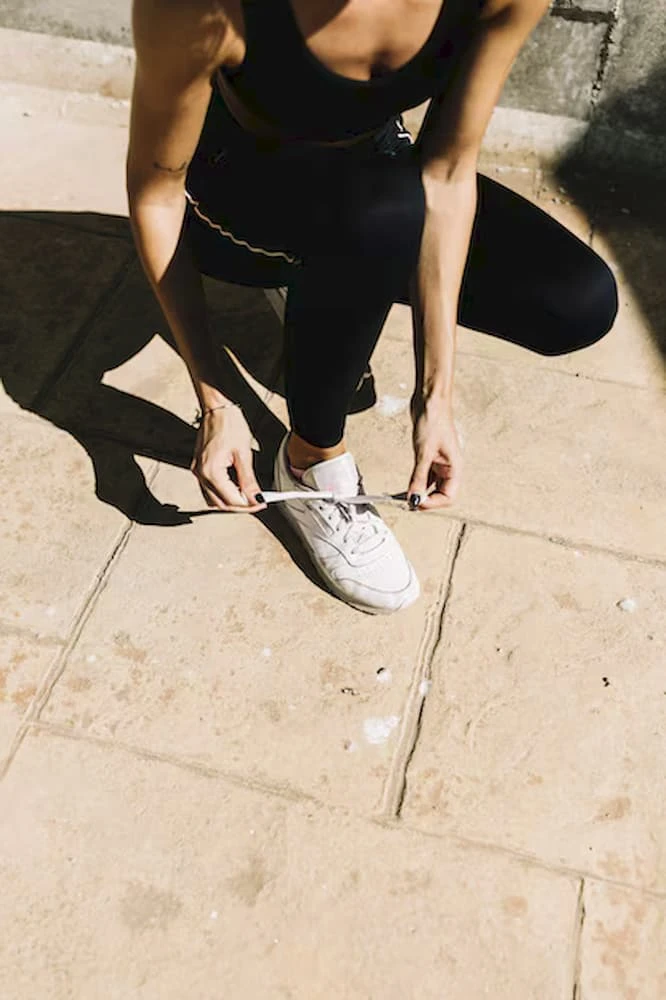

Running footwear has evolved significantly over the years, and many athletes are now exploring minimal shoes for running as an alternative to traditional cushioned models. These shoes are designed to mimic the natural feel of running barefoot while still offering basic protection from the ground. They typically feature lightweight materials, flexible soles, and limited cushioning. While minimal shoes for running can promote improved foot strength and natural movement patterns, improper use may increase the risk of injury. Understanding how to transition safely and train wisely is essential for runners who want to enjoy the benefits without setbacks.
Understanding Minimal Shoes for Running
Before exploring injury prevention strategies, it is important to understand what sets minimal footwear apart from conventional running shoes.
Key Characteristics
Minimal shoes for running are typically lightweight and flexible. They offer a thin sole that allows the runner to feel the ground more directly. Heel elevation is minimal, encouraging a more natural foot strike pattern. The toe box is often wider to allow the toes to spread naturally during movement.
Biomechanical Changes
Switching to minimal footwear alters the way the body absorbs impact. Many runners shift from a heel strike to a midfoot or forefoot strike. This change can reduce stress on certain joints but may increase strain on the calves, Achilles tendon, and foot muscles. Recognizing these biomechanical adjustments helps runners prepare their bodies properly.
Common Injuries Associated With Minimal Footwear
Although minimal shoes for running offer potential advantages, sudden or improper use can lead to overuse injuries.
Achilles Tendon Strain
Reduced heel cushioning places greater demand on the Achilles tendon. If the transition is too rapid, runners may experience tightness or inflammation in this area.
Metatarsal Stress Injuries
The thinner sole increases pressure on the forefoot. Without gradual adaptation, stress reactions or fractures in the metatarsal bones may develop.
Plantar Fascia Irritation
The plantar fascia works harder to support the arch during barefoot style running. Weakness or tightness can contribute to heel pain.
Calf Muscle Fatigue
Minimal footwear engages the calf muscles more intensely. Insufficient conditioning may result in soreness or muscle strain.
Understanding these risks reinforces the importance of preventive strategies.
Gradual Transition Is Essential
One of the most important injury prevention tips when using minimal shoes for running is adopting a slow and structured transition plan.
Start With Short Distances
Runners should begin by incorporating minimal footwear into short runs or even walking sessions. Starting with ten to fifteen minutes allows the body to adjust gradually.
Increase Mileage Slowly
Weekly mileage in minimal shoes for running should increase gradually. A common approach is to raise distance by no more than ten percent each week. This steady progression gives muscles and tendons time to strengthen.
Alternate With Traditional Shoes
During the transition phase, alternating between minimal and traditional footwear can reduce overload. This strategy provides recovery time while building adaptation.
Focus on Proper Running Form
Efficient technique reduces strain and improves overall performance.
Maintain Upright Posture
Keeping the torso upright with a slight forward lean from the ankles supports balanced movement. Overstriding should be avoided, as it increases impact forces.
Land With a Soft Step
Minimal shoes for running encourage a lighter, quieter foot strike. Runners should aim to land softly beneath the body rather than reaching forward with the foot.
Increase Cadence
A slightly higher cadence often reduces impact stress. Shorter, quicker steps promote smoother transitions and minimize braking forces.
Strengthening Exercises for Injury Prevention
Building strength in the lower body is essential when adopting minimal footwear.
Foot Muscle Strengthening
Exercises such as toe spreads and towel scrunches help activate intrinsic foot muscles. Stronger feet provide better arch support and shock absorption.
Calf Raises
Performing calf raises improves strength and endurance in the lower leg. Both straight leg and bent knee variations target different muscle groups.
Balance Training
Single leg stands and stability exercises enhance proprioception. Improved balance reduces the likelihood of missteps and ankle sprains.
Core Stability Work
A stable core supports efficient running mechanics. Planks and controlled rotational exercises can improve overall alignment.
Prioritize Flexibility and Mobility
Flexibility plays a vital role in preventing strain during adaptation.
Stretch the Calves and Achilles Tendon
Gentle calf stretches performed daily can relieve tension. Stretching after runs helps maintain mobility.
Ankle Mobility Drills
Ankle circles and controlled dorsiflexion movements improve joint range of motion. Increased mobility supports smoother foot transitions.
Foam Rolling
Using a foam roller on the calves and plantar fascia may reduce muscle tightness and enhance recovery.
Choose Suitable Running Surfaces
The running surface influences impact forces and overall stress on the body.
Start on Softer Terrain
Grass, dirt trails, or rubberized tracks provide some shock absorption. These surfaces can be helpful during the early stages of using minimal shoes for running.
Avoid Sudden Changes in Terrain
Switching abruptly from soft trails to hard pavement may increase injury risk. Gradual exposure allows tissues to adapt.
Listen to Early Warning Signs
Paying attention to the body is one of the most effective injury prevention strategies.
Persistent Soreness
Mild muscle soreness is common during adaptation, but sharp or persistent pain signals the need for rest or evaluation.
Swelling or Tenderness
Localized swelling in the foot or ankle should not be ignored. Early intervention prevents minor irritation from becoming a serious injury.
Fatigue and Reduced Performance
Excessive fatigue may indicate overtraining. Adequate rest days are essential for tissue recovery.
Rest and Recovery Strategies
Recovery is as important as training when using minimal shoes for running.
Schedule Rest Days
Incorporating rest days allows muscles and tendons to rebuild. Overtraining increases injury risk.
Cross Training
Low impact activities such as swimming or cycling maintain cardiovascular fitness without excessive foot stress.
Adequate Sleep
Sleep supports tissue repair and overall health. Consistent rest enhances adaptation to new training demands.
Proper Shoe Selection and Fit
Even within the category of minimal footwear, variations exist.
Ensure Proper Fit
Shoes should allow the toes to move freely without excessive tightness. A secure heel fit prevents unnecessary movement inside the shoe.
Consider Cushioning Level
Some minimal shoes offer slightly more cushioning than others. Beginners may benefit from a transitional model with moderate protection.
Replace Worn Footwear
Worn soles lose structural integrity and may compromise support. Regularly inspecting and replacing shoes maintains safety.
Consulting Professionals
Runners uncertain about transitioning to minimal footwear may benefit from professional guidance.
Gait Analysis
A trained specialist can assess running mechanics and recommend adjustments. Proper evaluation reduces trial and error.
Physical Therapy Support
Therapists can design individualized strengthening programs to prepare the body for minimal shoes for running.
Long Term Benefits With Careful Use
When adopted thoughtfully, minimal footwear can promote stronger feet and improved body awareness. Many runners report enhanced connection to the ground and better posture. However, patience and consistency are crucial to achieving these benefits safely.
Final Thoughts
Minimal shoes for running offer a unique approach to training that emphasizes natural movement and foot strength. While the transition requires attention and discipline, following structured injury prevention strategies can significantly reduce risks. Gradual progression, proper form, strength training, and adequate recovery all play vital roles in successful adaptation. By approaching this footwear choice with knowledge and care, runners can experience its advantages while minimizing setbacks. Ongoing education and expert insights continue to empower readers through trusted resources such as Ler Magazine.
























Sign in to leave a comment.