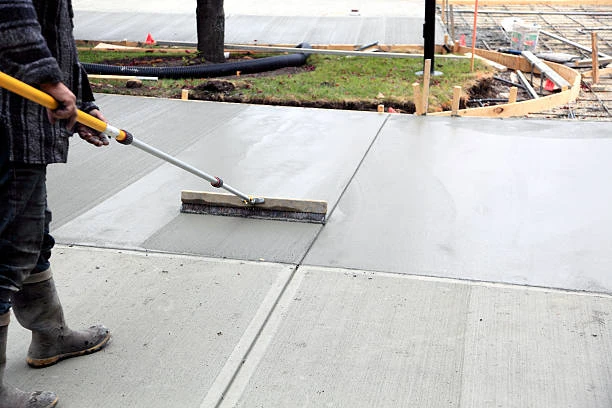

Living in British Columbia means embracing lush greenery, mild winters, and plenty of rain. In the Lower Mainland and Greater Vancouver, prolonged moisture isn’t just a seasonal inconvenience; it’s a constant environmental factor that impacts homes from the ground up. One of the most exposed surfaces on any property is the driveway. Day after day, it absorbs rainfall, standing water, oil drips, tire friction, and temperature fluctuations.
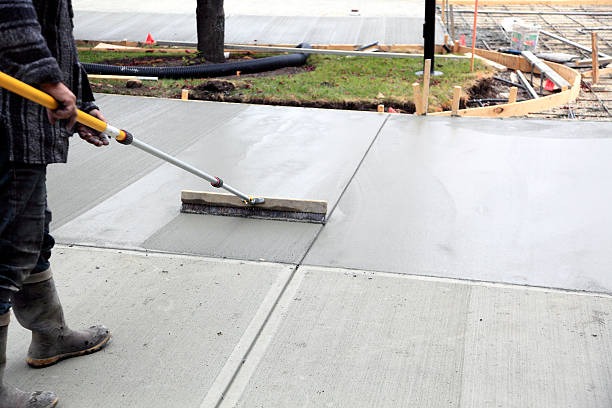
Without proper protection, that exposure leads to surface wear, discolouration, and eventually structural damage. A high-quality residential concrete sealer in Greater Vancouver acts as a protective barrier, helping homeowners preserve the strength and appearance of their driveways. In this guide, we’ll explore how sealing works, why it matters in BC’s climate, and how to choose the right solution for long-term durability.
Why is concrete sealer important for driveways in rainy seasons?
Rain may seem harmless, but when it repeatedly penetrates unsealed concrete, it can cause gradual deterioration. Concrete is porous by nature. When water seeps into microscopic openings, it weakens internal bonds over time. In colder periods, trapped moisture can expand and contract, accelerating cracking and surface breakdown.
In the Lower Mainland’s damp conditions, unprotected driveways often face:
- Moisture intrusion can soften the slab and lead to surface erosion.
- Staining from organic debris, such as leaves and dirt that retain moisture.
- Moss and algae growth create slippery surfaces.
- Increased risk of cracked driveway repair, as small fractures widen under constant exposure.
Applying concrete sealers for driveways significantly reduces water absorption. By forming a protective layer, sealers help prevent moisture from penetrating the slab, preserving structural integrity and minimizing future repair costs.
The benefits of sealing your concrete driveway
Sealing a driveway isn’t only about protection—it’s also about maintaining property value and curb appeal. Here’s how sealing delivers tangible benefits for homeowners in BC:
1. Enhanced Moisture Resistance
A sealed driveway repels water rather than absorbing it. This reduces internal weakening and limits the expansion of small cracks during seasonal changes.
2. Reduced Risk of Surface Damage
Rainwater can carry debris and contaminants that stain or deteriorate concrete. Sealers create a barrier against oil spills, de-icing salts, and environmental pollutants.
3. Extended Lifespan
When moisture and surface contaminants are controlled, concrete remains structurally sound for longer. This delays costly resurfacing or replacement.
4. Improved Appearance
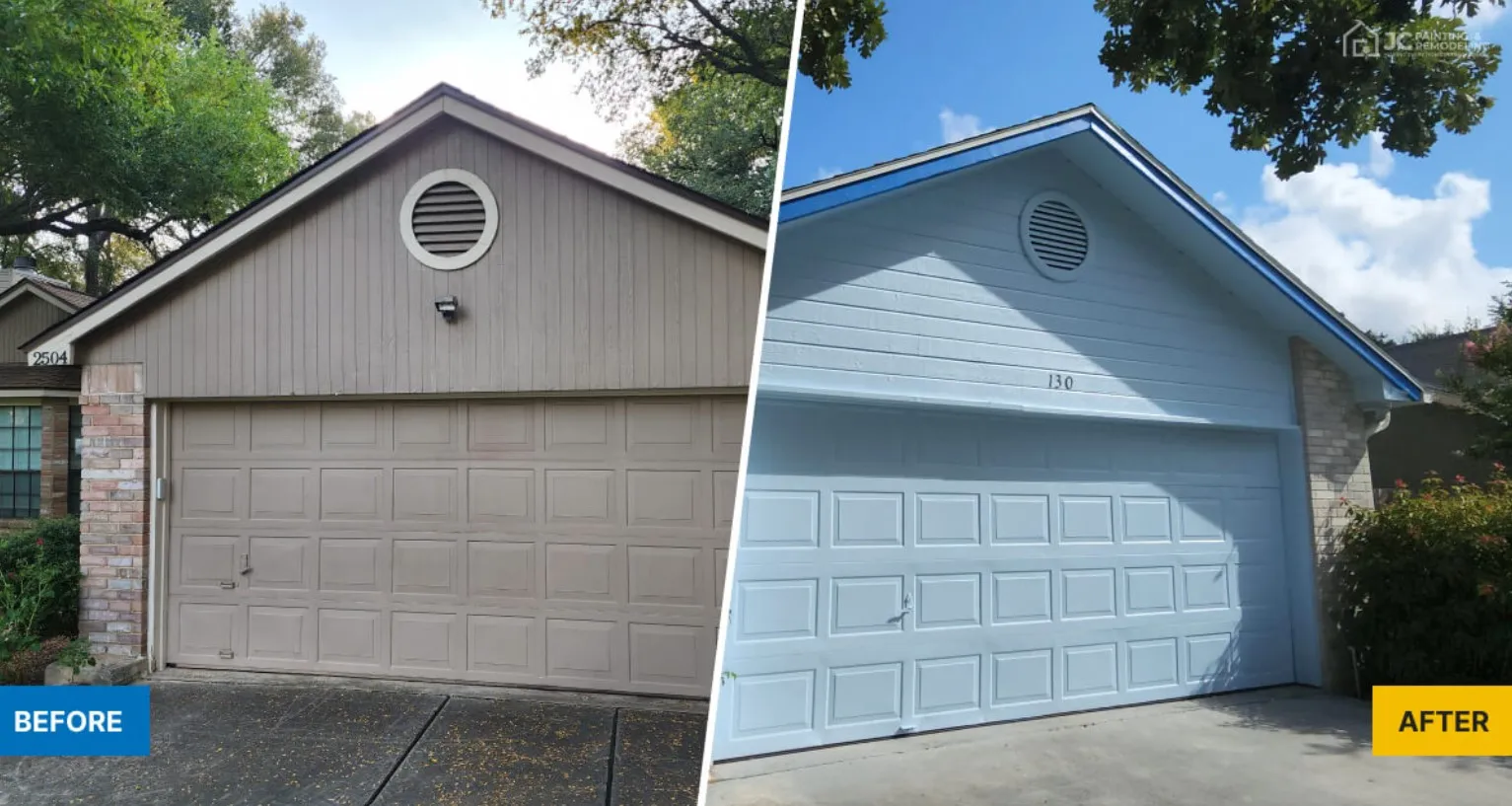
Certain sealers enhance colour and provide a subtle sheen, giving driveways a clean, refreshed look. For many homeowners, this aesthetic boost adds immediate visual value.
5. Lower Long-Term Maintenance Costs
By preventing deterioration early, homeowners avoid frequent repairs. Preventive sealing is far more economical than repeated repairs for cracked driveways.
Choosing the right concrete sealers for driveways
Not all sealers perform equally—especially in BC’s consistently wet climate. Selecting the right product depends on several factors, including exposure level, driveway age, and surface condition.
When evaluating concrete sealers for driveways, consider:
- Climate Compatibility – The sealer must handle heavy rainfall and humidity without peeling or wearing prematurely.
- Penetrating vs. Surface Sealers – Some sealers absorb into the concrete for invisible protection, while others form a film on top.
- Slip Resistance – In rainy environments, traction matters.
- Longevity – High-quality sealers typically protect for several years before reapplication is required.
Professional assessment ensures the chosen product aligns with your driveway’s condition and environmental demands.
Professional sealing services
While DIY sealing kits are widely available, professional application provides superior, longer-lasting results. Experienced contractors understand the importance of proper surface preparation—a critical step often overlooked.
Effective sealing requires:
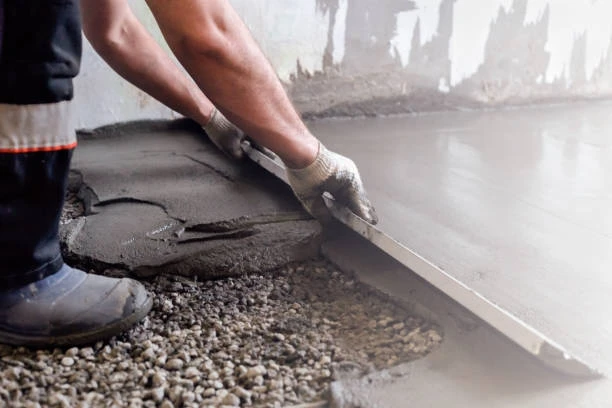
- Thorough cleaning to remove dirt, moss, oil, and debris.
- Repairing cracks and surface damage before application.
- Applying the correct amount of sealer evenly.
- Allowing appropriate curing time for optimal bonding.
In the Lower Mainland, companies like Anything Concrete offer specialized residential concrete sealing services tailored to the region’s climate. Their expertise in crack repair, surface preparation, and sealing ensures homeowners receive durable, consistent protection rather than temporary fixes.
Types of sealers and their unique benefits for concrete driveways
Understanding the available options helps homeowners make informed decisions.
- Penetrating Sealers: These penetrate the concrete and provide invisible protection. They are ideal for homeowners who want natural-looking surfaces without altering texture or colour.
- Acrylic Sealers: Acrylic-based sealers form a thin protective layer on the surface. They can enhance appearance and provide moderate moisture resistance.
- Polyurethane Sealers: More durable than acrylics, these offer stronger resistance to wear and chemicals, making them suitable for high-traffic driveways.
- Epoxy Sealers: Though highly durable, epoxy driveway sealers are less common for residential driveways due to their UV sensitivity. It’s more often used in controlled environments.
Each type serves a specific purpose, and selecting the appropriate one depends on climate, traffic, and desired finish.
How to seal your concrete driveway?
Sealing a driveway requires careful planning and preparation. The general process involves:
- Surface Cleaning – Pressure washing removes debris and contaminants.
- Crack Repair – Addressing minor cracks before sealing ensures the barrier is effective.
- Drying Period – Concrete must be completely dry before application.
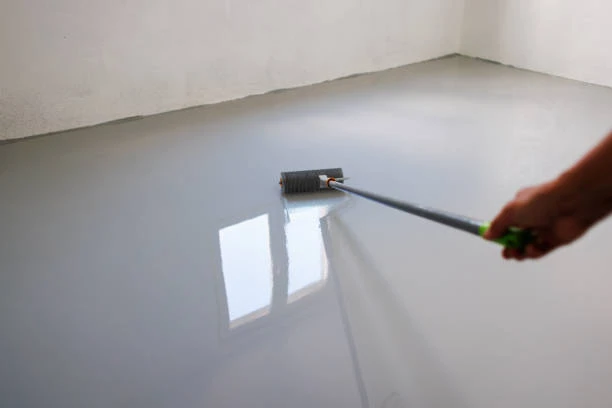
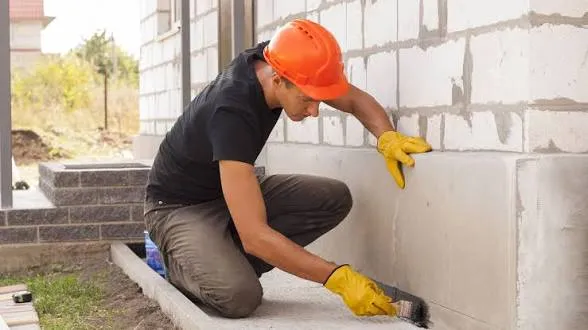
- Even Application – Sealers are applied using rollers or sprayers in consistent coats.
- Curing Time – Proper drying time ensures durability and adhesion.
While homeowners may attempt this process independently, professional sealing typically results in better coverage, longer-lasting protection, and fewer application errors.
Maintenance Tips for a Concrete Driveway
Sealing significantly reduces maintenance needs, but some routine care extends performance:
- Regular sweeping prevents debris buildup.
- Prompt cleaning of oil or chemical spills reduces staining.
- Occasional washing helps remove moss and organic growth.
- Re-sealing every few years maintains consistent protection.
Proper upkeep preserves both the structural integrity and visual appeal of your driveway.
How to choose a residential Concrete sealer?
Choosing the right residential concrete sealer in the Lower Mainland, Greater Vancouver requires balancing durability, climate performance, and aesthetic preference.
Homeowners should evaluate:
- Driveway Age and Condition – Older driveways may require crack repair before sealing.
- Traffic Level – Heavier vehicle use demands stronger protection.
- Moisture Exposure – High rainfall zones benefit from penetrating sealers with deep moisture resistance.
- Professional Consultation – An experienced contractor can assess surface porosity, structural health, and recommend the most suitable product.
Working with specialists ensures that sealing is not just cosmetic, but protective and long-lasting.
The Bottom Line
BC’s rainy climate is beautiful—but relentless on exposed concrete. Without proper sealing, driveways gradually absorb moisture, weaken internally, and develop cracks that demand costly repairs. Applying the right sealer transforms concrete from vulnerable to resilient, protecting it against rain, wear, and environmental damage.
From reducing moisture penetration to enhancing curb appeal, sealing is a proactive investment in your home’s durability and value. Rather than waiting for visible deterioration, homeowners across the Lower Mainland are choosing preventative solutions that safeguard their properties year-round.
If you’re considering professional-grade sealing backed by expertise in crack repair and concrete restoration, Anything Concrete delivers dependable results tailored to BC’s climate. Protect your driveway today—before the next rainfall tests its limits.
FAQs
1. How often should I seal my driveway in BC?
Most residential driveways in the Lower Mainland benefit from resealing every 2–4 years, depending on exposure and traffic.
2. Does sealing prevent cracked driveway repair entirely?
Sealing significantly reduces the likelihood of moisture-related cracks, but structural issues may still require repair.
3. Can I seal my driveway during the rainy season?
No. Concrete must be completely dry before applying sealer. Scheduling work during dry weather ensures proper bonding.
4. What is the best type of sealer for rainy climates?
Penetrating sealers are often recommended in moisture-heavy regions because they provide deep internal protection without altering surface texture.
5. Is professional sealing worth the investment?
Yes. Professional preparation, crack repair, and application ensure longer-lasting protection and better overall performance compared to DIY solutions.






















Sign in to leave a comment.