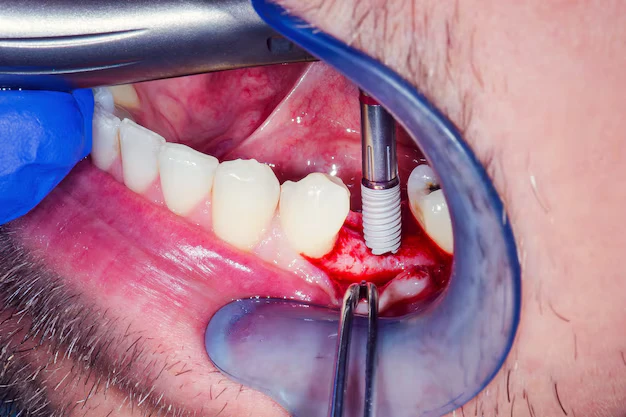

The mere mention of a root canal often evokes anxiety and discomfort; however, this dental procedure is crucial for preserving oral health. Root canals are not just a remedy for pain but also serve as a lifeline for teeth that have become compromised due to decay or infection. Understanding how this procedure works and its significance can empower individuals to approach dental care with greater confidence and less fear.
The Anatomy of a Tooth and the Need for a Root Canal
To truly appreciate the importance of a root canal, one must first understand the anatomy of a tooth. Each tooth comprises several layers: the outer enamel, the dentin, and the inner pulp chamber, which contains nerves and blood vessels. The pulp plays a vital role in the health of a tooth, supplying it with nutrients and sensory functions. However, when bacteria invade this inner chamber—often due to deep cavities, cracks, or trauma—the tooth becomes at risk of infection.
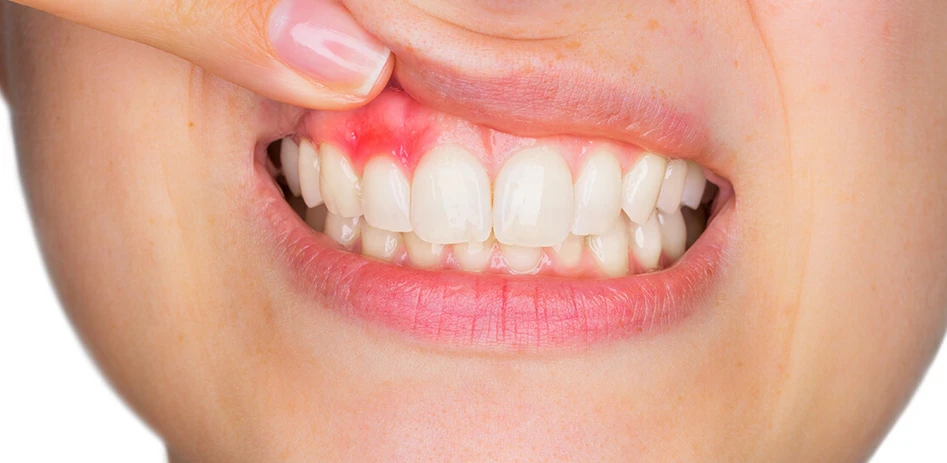
The symptoms of a problem can range from mild sensitivity to extreme pain, swelling, and even abscess formation. Ignoring these signs can lead to further complications, such as tooth loss or the spread of infection to surrounding tissues. This is where a root canal becomes necessary. By removing the infected pulp, a dentist can effectively eliminate pain, save the tooth, and prevent additional health issues from arising.
The Root Canal Procedure: What to Expect
Many people dread the thought of undergoing a root canal; however, understanding the procedure can alleviate some of this anxiety. Your dentist will conduct a thorough examination, often including X-rays, to assess the extent of the damage. Once the diagnosis is confirmed, the procedure typically involves several steps.
First, local anaesthesia is administered to ensure you remain comfortable throughout the process. Once you are numb, the dentist will open the tooth's crown to access the pulp chamber. The infected pulp is carefully removed using specialised tools, and the root canals are cleaned and shaped to prevent future infection. The canals are then filled with a biocompatible gutta-percha material to seal them and avoid reinfection.
In many cases, a tooth that has undergone a root canal will require a crown to restore its functionality and appearance. This is particularly important for molars, which bear the brunt of chewing forces. The dentist will often schedule a follow-up appointment to place the crown and ensure the tooth is saved and fully functional.
The Benefits of Root Canal Treatment
One of the most significant advantages of opting for a root canal is preserving your natural tooth. Natural teeth are invaluable for chewing, speaking, and maintaining the structure of your jawbone. When a tooth is lost, adjacent teeth can shift, leading to misalignments and further dental complications. By saving your tooth through a root canal, you maintain the integrity of your bite and smile.
Furthermore, root canal treatment has a high success rate, often exceeding 95%. Patients who undergo this procedure typically experience relief from pain almost immediately, allowing them to return to their daily lives without the burden of dental discomfort. Addressing the infected pulp promptly significantly reduces the risk of developing further complications.
Maintaining your natural tooth through a root canal can also be more cost-effective in the long run. While the initial treatment may seem costly, it is far less expensive than the potential costs associated with tooth replacement options, such as implants or bridges. Moreover, keeping your tooth means avoiding the complications and extra treatments that may arise from tooth loss.
Aftercare: Ensuring Longevity for Your Tooth
Once the root canal procedure is complete, proper aftercare is essential for ensuring the longevity of your treated tooth. Initially, you may experience some tenderness or mild discomfort, which can typically be managed with over-the-counter pain relief. Following your dentist's instructions regarding medication and mouth care is crucial.
Good oral hygiene practices remain paramount. Brushing twice a day and flossing daily will help maintain the health of all your teeth, including the one that has undergone a root canal. Regular dental check-ups should also be maintained to ensure that any potential issues are identified early. Your dentist can monitor the treated tooth and advise on how to care for it effectively.
Another important aspect of aftercare is being mindful of what you eat. While your tooth may feel fine, avoiding hard or sticky foods for a few days following the procedure is wise. This precaution helps prevent any undue stress on the tooth as it heals. Gradually reintroducing a regular diet will allow you to enjoy your favourite foods while ensuring your tooth remains in good condition.
The Emotional Impact of a Healthy Smile
Beyond the physical benefits, saving a tooth through a root canal can have profound emotional implications. Our smiles are often our first impression, and maintaining a healthy, beautiful smile can significantly impact self-esteem. Individuals who suffer from dental pain or fear tooth loss may feel self-conscious about their appearance, which can affect their social interactions and overall quality of life.
A successful root canal allows individuals to reclaim not only their dental health but also their confidence. Being able to smile freely without the worry of pain or embarrassment can improve both personal and professional relationships. Moreover, knowing that one has taken proactive steps to care for one's health can foster a positive attitude towards dental visits and overall wellness.
In summary, a root canal is not merely a dental procedure; it is a vital service that can save a tooth and, by extension, a person's smile. Individuals can confidently approach their dental health by understanding the importance of this treatment, the procedure itself, and the aftercare required. The journey towards a healthier smile may include challenges, but the rewards of preserving your natural teeth and maintaining your self-esteem are undoubtedly worth it. Embracing this process can lead to a future filled with beautiful and pain-free smiles.




























Sign in to leave a comment.