
Introduction
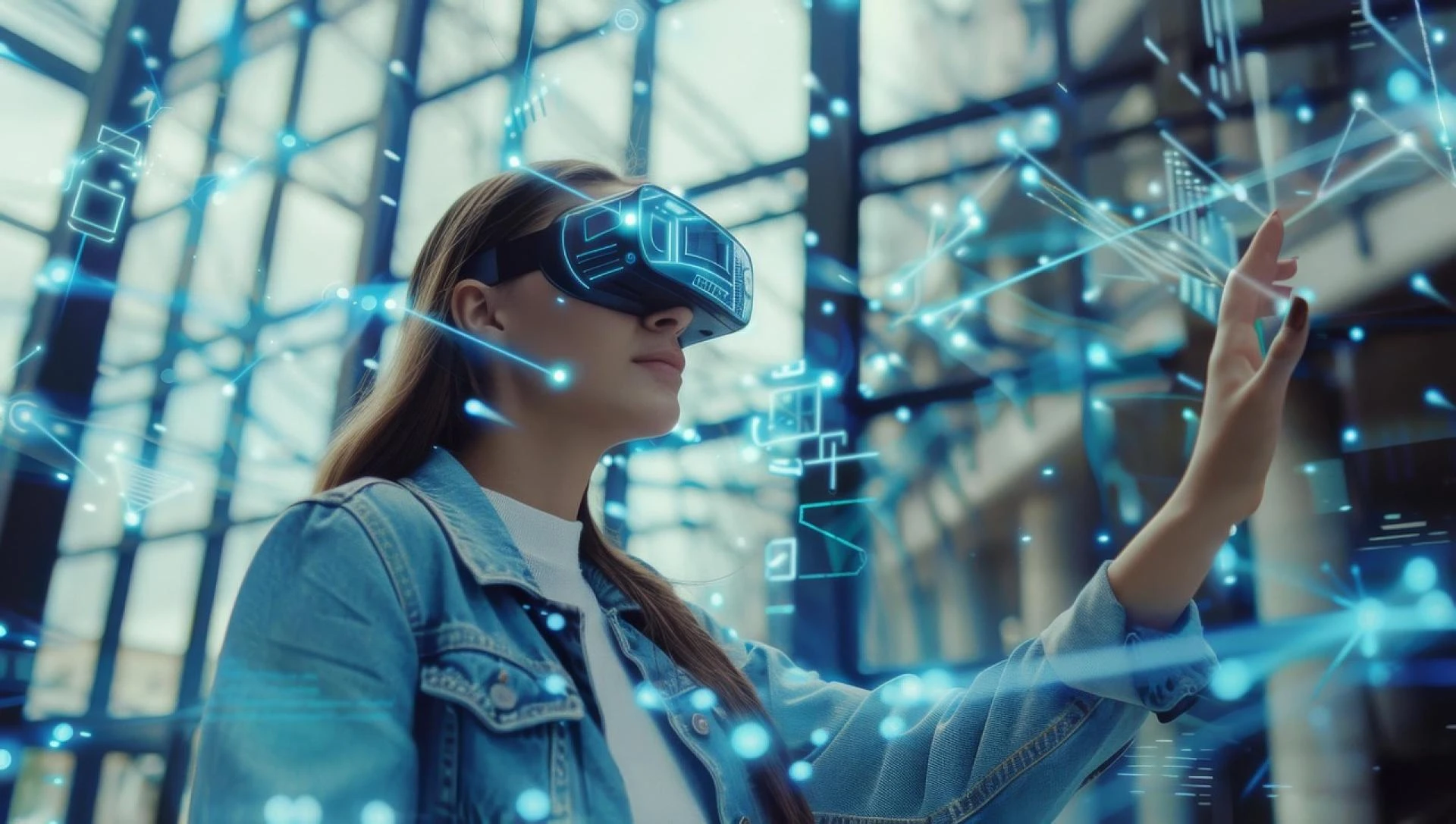
Human error is one of the leading causes of operational failures across industries such as manufacturing, energy, healthcare, aviation, and logistics. As systems become more complex, the margin for error continues to shrink. Even highly trained professionals can make mistakes when faced with unfamiliar scenarios, time pressure, or cognitive overload. To address this challenge, organizations are increasingly adopting immersive learning technologies. Among these, VR Training solutions are proving to be highly effective in preparing employees to perform complex operations accurately and consistently, significantly reducing the risk of human error.
Understanding Human Error in Complex Operations
Complex operations often involve multiple steps, tools, systems, and decisions that must be executed in the correct sequence and under specific conditions.
Common causes of human error include:
- Inadequate hands-on practice
- Poor situational awareness
- Infrequent exposure to rare or critical scenarios
- Stress and time pressure
- Overreliance on theoretical training
Traditional training methods struggle to fully prepare workers for these realities, leaving gaps between knowledge and execution.
Why Traditional Training Methods Fall Short
Classroom sessions, manuals, and even basic simulations are limited in their ability to replicate real operational environments.
Key limitations of conventional training:
- Passive learning reduces engagement and retention
- Limited realism makes it hard to transfer skills
- Inconsistent instruction across trainers
- High-risk tasks cannot be practiced repeatedly
- Errors are often corrected after they occur in real operations
These limitations increase the likelihood of mistakes when employees transition from training to live environments.
How VR Training Replicates Real-World Complexity
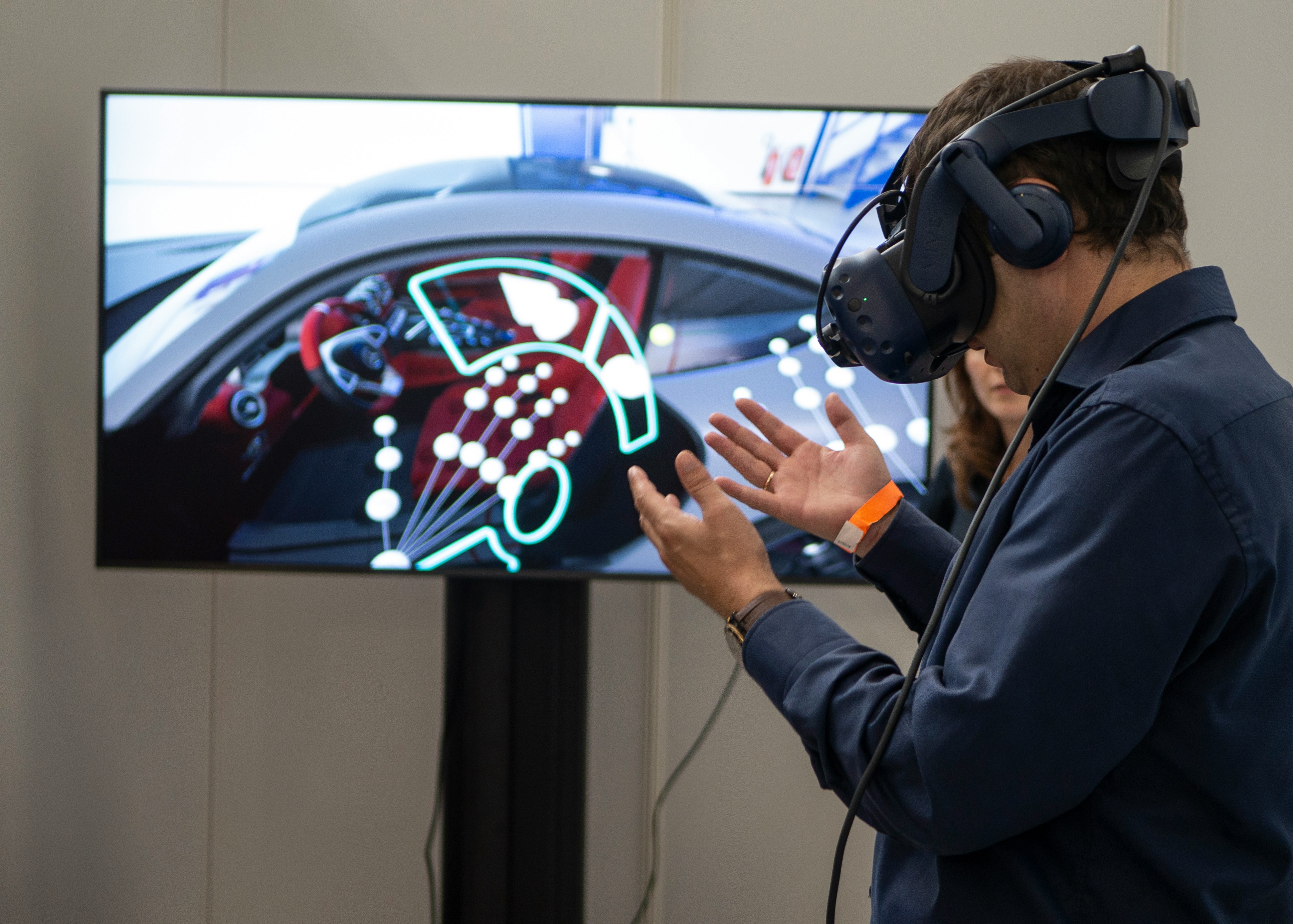
Virtual reality creates immersive environments that closely mirror actual operational settings. Learners interact with equipment, systems, and scenarios just as they would on the job.
Features that enhance realism:
- Accurate digital replicas of workspaces and machinery
- Interactive controls and procedural workflows
- Realistic environmental conditions and constraints
- Scenario variations that reflect real-world unpredictability
- This immersion helps employees build familiarity with complex systems before they encounter them in reality.
Learning Through Repetition Without Risk
One of the most effective ways to reduce human error is repeated practice. However, in real-world operations, repetition can be costly, disruptive, or unsafe.
VR enables:
- Unlimited practice of complex procedures
- Safe repetition of high-risk tasks
- Learning from mistakes without real consequences
- Gradual progression from basic to advanced scenarios
By practicing until tasks become second nature, employees develop muscle memory and procedural confidence, reducing the likelihood of errors.
Improving Decision-Making Under Pressure
Many operational errors occur not because workers lack knowledge, but because they struggle to make the right decision under stress.
How VR improves decision-making:
- Simulates time-sensitive and high-pressure scenarios
- Requires real-time responses to changing conditions
- Demonstrates the consequences of poor decisions
- Builds confidence through experiential learning
- This prepares employees to remain calm, focused, and accurate when facing real operational challenges.
Enhancing Situational Awareness
Situational awareness is critical in complex operations, where small oversights can lead to major incidents.
VR helps by:
- Training users to scan environments effectively
- Reinforcing attention to critical indicators and warning
- Teaching prioritization in multi-task scenarios
- Simulating distractions and unexpected events
As a result, workers become more aware of their surroundings and better equipped to prevent errors before they occur.
Standardizing Procedures Across the Workforce
Inconsistent execution of procedures is a major source of human error, especially in large organizations.
VR supports standardization by:
- Delivering uniform training experiences
- Enforcing correct step-by-step workflows
- Validating procedural compliance through data
- Ensuring alignment with operational best practices
Every learner is trained and assessed against the same standards, reducing variability in performance.
Data-Driven Identification of Skill Gaps
VR training platforms capture detailed performance data that traditional methods cannot.
Commonly tracked metrics include:
- Task completion accuracy
- Time taken for each step
- Error frequency and types
- Compliance with safety protocols
These insights allow organizations to identify where errors are most likely to occur and provide targeted retraining before incidents happen.
Reducing Dependency on On-the-Job Trial and Error
Learning through trial and error in live operations can be dangerous and costly. VR shifts this learning curve into a controlled environment.
Benefits of pre-validation in VR:
- Fewer mistakes during real operations
- Reduced equipment damage and downtime
- Improved safety outcomes
- Faster achievement of operational competence
Employees enter the workplace better prepared, reducing the need for corrective interventions.
Long-Term Impact on Operational Excellence
Reducing human error has far-reaching benefits beyond immediate safety and efficiency.
Long-term organizational advantages:
- Improved compliance and audit outcomes
- Higher reliability and quality standards
- Reduced incident-related costs
- Stronger culture of safety and accountability
By embedding error prevention into training, organizations build more resilient and dependable operations.
Conclusion
Complex operations demand precision, awareness, and confident decision-making. Traditional training methods alone are no longer sufficient to meet these demands. By offering immersive practice, realistic scenarios, standardized procedures, and measurable performance insights, ** VR Training solutions ** play a crucial role in reducing human error. As industries continue to evolve and operational complexity increases, VR is becoming an essential tool for building safer, more accurate, and more reliable workforces.
To explore more about our work and real-time updates, check out AutoVRse on Twitter, Instagram, and LinkedIn.

Sign in to leave a comment.